Clear Sky Science · en
Authenticity or strategy? How universities communicate the Sustainable Development Goals
Why this story about universities and sustainability matters
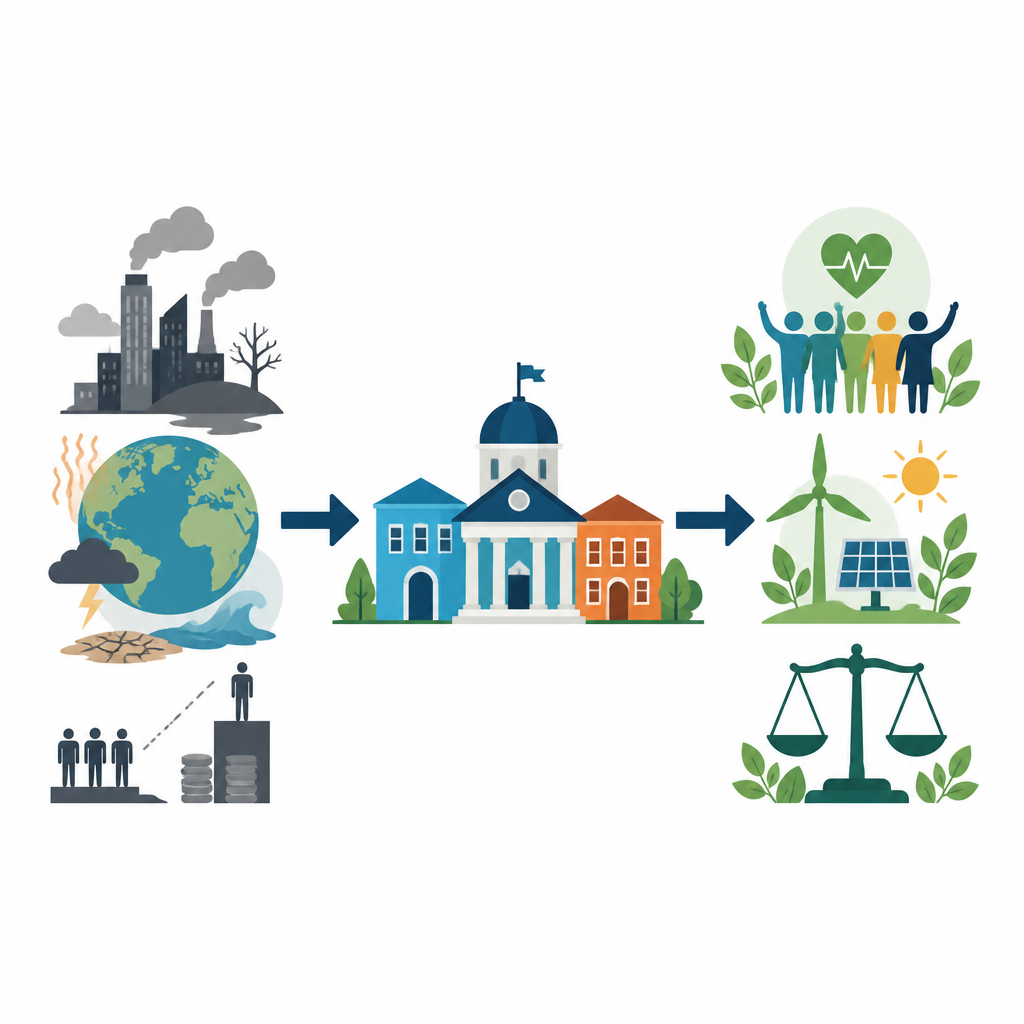
Universities are often seen as trusted guides on big global questions like climate change, poverty, and health. This study asks a simple but important question: when universities talk about their work on the United Nations Sustainable Development Goals (SDGs), are they faithfully reflecting what they actually research and teach, or are they polishing their image to look greener and more socially responsible than they really are? Using large-scale data from German universities, the authors explore how closely words and deeds line up, and how this balance has shifted over the past two decades.
How the researchers peered behind the green curtain
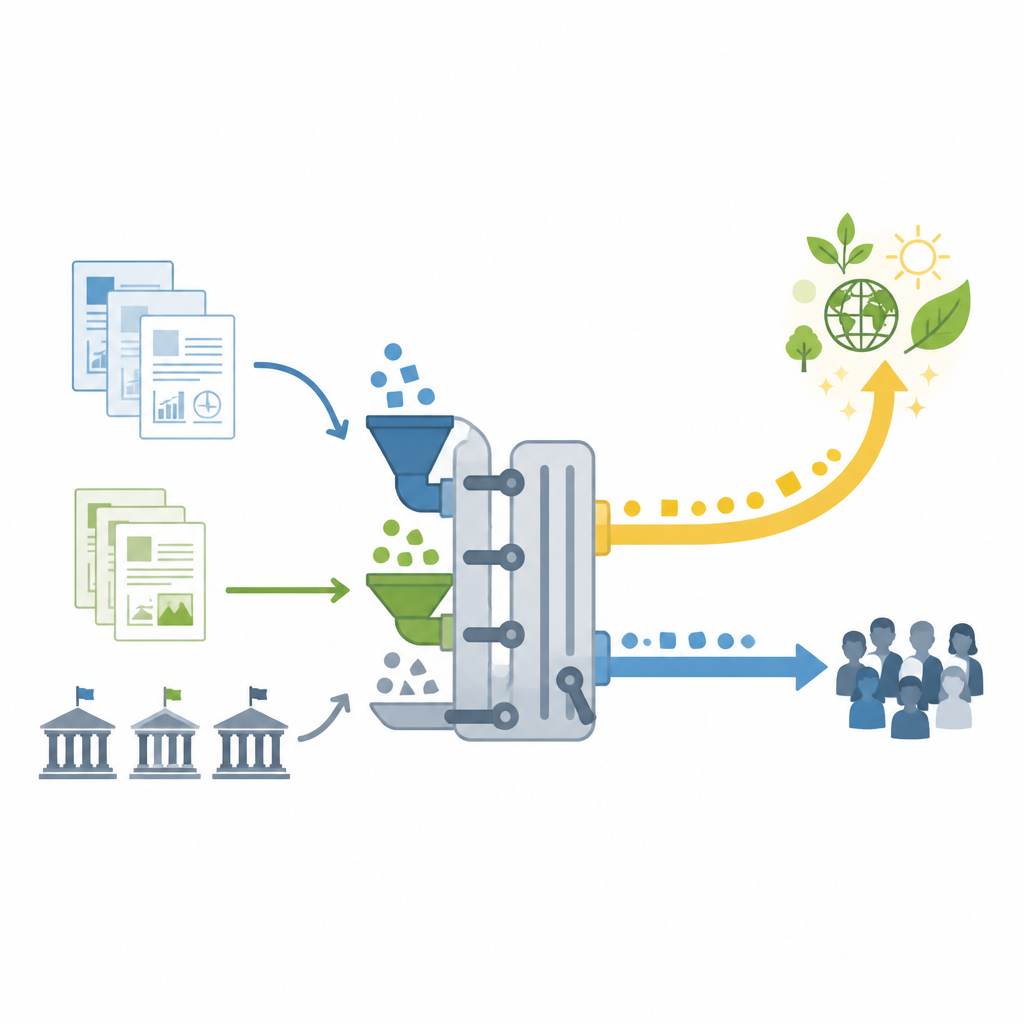
To track what universities do, the team analyzed more than two million scientific publications from 76 German universities between 2000 and 2019. To track what universities say, they examined over 100,000 press releases, which are the official news items universities send to journalists and the public. Both sets of texts were scanned with specialized keyword lists that detect links to the 17 SDGs, such as clean energy, health, education, or climate action. By comparing the strength of SDG themes in research papers with the strength of the same themes in press releases, the authors could see whether communication mirrored research or drifted away from it.
What universities choose to highlight
The patterns that emerged show that universities differ greatly in how intensively they communicate about the SDGs. Some institutions talk up sustainability-related topics in their press releases almost five times more than the average university, while others emphasize them far less. Part of this difference is explained by structure: universities with more science and engineering students and those with a stronger international student body tend to be more active in SDG-themed communication. Certain goals also feature more prominently. Education and health dominate many universities’ press releases, while climate and clean energy have risen sharply in visibility over time, reflecting broader public concern about these issues.
When talk and action drift apart
On the whole, universities that publish more SDG-related research also issue more SDG-related press releases, which suggests a broadly authentic pattern: they usually talk about topics they actually study. However, this link is not equally strong for all goals, and it has weakened over time. By splitting the data into an early period (2000–2008) and a later period (2009–2019), the authors find that, in the early years, SDG communication tracked SDG research more closely. In more recent years, communication has become less tightly tied to research output, hinting at a growing role for public relations strategy. Some technical and high-profile universities in particular now emphasize sustainability in their press releases more than their research portfolios alone would predict.
Why professional PR changes the picture
The study links this shift to broader changes in the higher education landscape. Around the late 2000s, German universities expanded and professionalized their PR departments, faced new national excellence programs, and adopted social media. These changes pushed universities to compete harder for attention, funding, and talent. In that environment, it can be tempting to frame existing work in terms that resonate with the SDGs and with public expectations about climate and social responsibility, even when the underlying research is only loosely related. The analysis suggests that, while most universities still ground their SDG communication in real work, some may now selectively amplify sustainability themes to shape a more attractive public profile.
What this means for trust in universities
For lay readers, the key takeaway is that university messages about sustainability are generally not pure spin, but they are not fully neutral either. German universities do carry out substantial research connected to the SDGs, and much of their communication reflects this. Yet the growing distance between research patterns and public messaging over time raises a warning sign. As universities become more media-savvy and competition intensifies, the risk increases that sustainability is used as a branding tool rather than solely as an honest report of activity. The authors argue that keeping communication closely tied to actual research is vital for preserving public trust and ensuring that talk about sustainable development remains a reliable guide to what universities are really doing.
Citation: Ozgun, B., Grashof, N., Graf, H. et al. Authenticity or strategy? How universities communicate the Sustainable Development Goals. Humanit Soc Sci Commun 13, 740 (2026). https://doi.org/10.1057/s41599-026-07714-x
Keywords: university communication, sustainable development goals, science communication, greenwashing, higher education