Clear Sky Science · en
Self-system thinking and academic self-determination as correlates of science persistence and scientific reading fluency in Bilingual University Students
Why sticking with science can be so hard
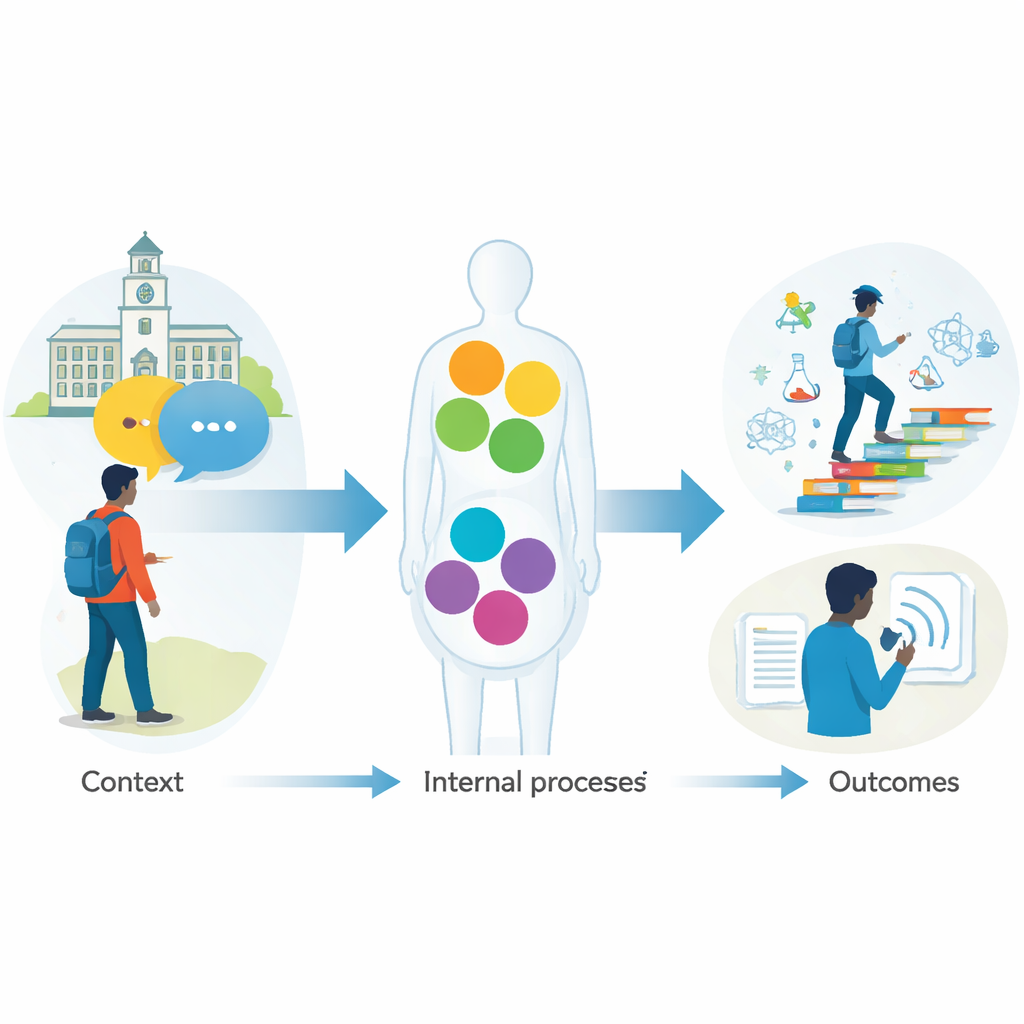
For many university students, especially those studying in a second language, science can feel like climbing a steep hill while juggling. They must master difficult ideas and dense textbooks, often written in a language that is not their mother tongue. This article explores why some bilingual students keep going in science and read scientific texts smoothly, while others struggle or give up, by looking inside the students’ own thoughts, feelings, and sense of control over their learning.
Learning science in two languages
The study focuses on Arabic–English bilingual undergraduates in Egypt who are enrolled in natural science programs. These students face a double challenge: they must understand demanding scientific content and do so largely through English. That means coping with unfamiliar vocabulary, long sentences, and the pressure of being judged on oral reading and written work in a second language. The authors argue that, in such settings, success is not only about raw ability. It also depends on whether students believe science is worth the effort, feel capable of handling it, and experience a sense of ownership and control over how they study.
Two inner systems that shape effort
To explore these issues, the researchers combine two ideas about how motivation works. The first, called self-system thinking, describes the quick judgments students make about a specific task: how important it feels, how confident they are that they can do it, and what emotions it triggers, such as interest or anxiety. The second, termed academic self-determination, reflects a broader pattern of agency in students’ academic lives: whether they choose activities willingly, plan and monitor their work, feel empowered to influence outcomes, and see study as part of who they are becoming. Together, these two systems are thought to shape both day-to-day reactions to science tasks and the longer-term routines that keep students engaged.
How the study was carried out
The authors collected data from 302 bilingual science students at Egyptian universities. Students completed detailed questionnaires about their task-related beliefs and emotions, as well as their sense of autonomy, self-regulation, empowerment, and self-realization in academic settings. The researchers also measured how persistently students reported working on science, including their willingness to tackle hard topics and stick with lab tasks. In addition, each student completed a one-minute oral reading of a short physics passage in English, which trained raters scored for accuracy, speed, expression, and clarity, along with brief questions to check understanding.
What the results revealed
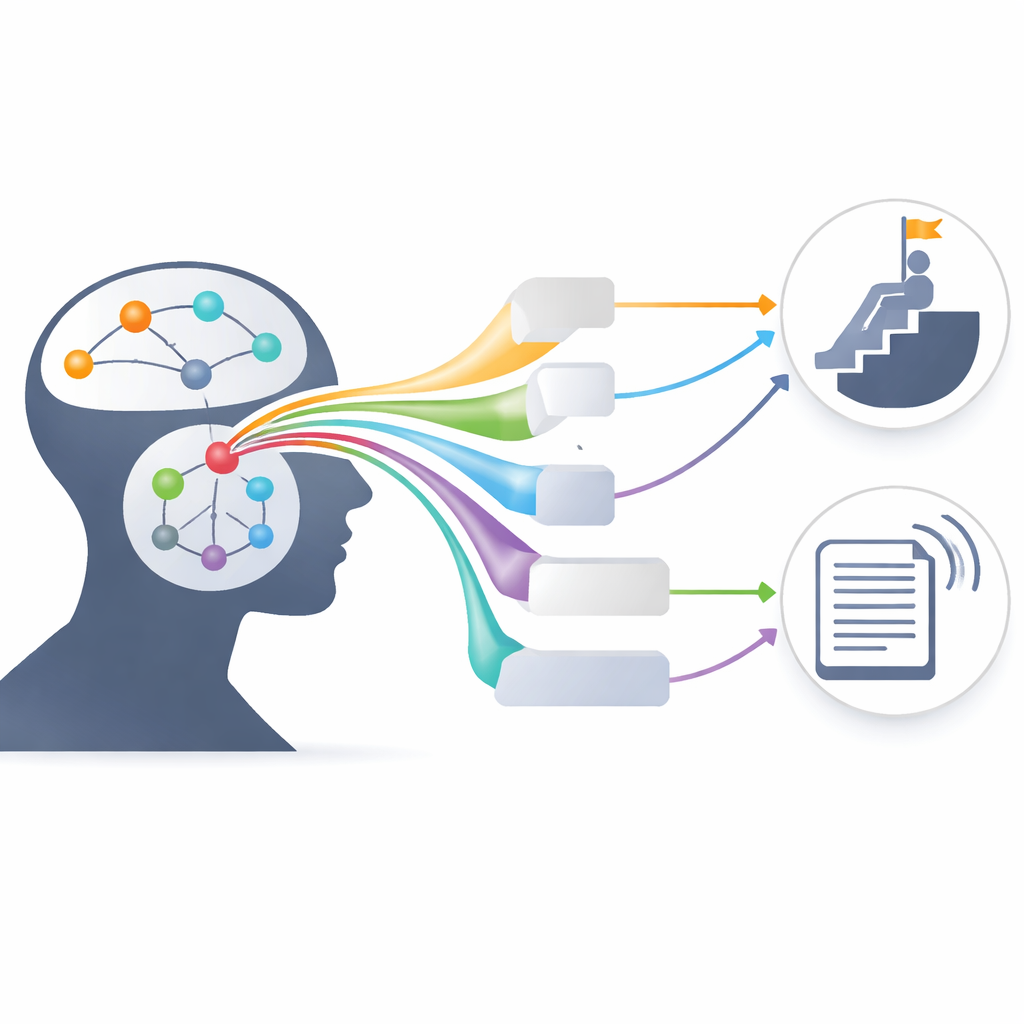
Analyses showed that both inner systems were strongly linked to how persistent students were in science and how fluently they read scientific texts. Students who felt more positive emotions toward science tasks and believed they could handle them tended to keep going in their studies and read more smoothly in English. Similarly, those who felt empowered in their academic lives—believing their actions mattered and that they could shape outcomes—were more likely to persist and to perform better on the reading task. When the researchers placed all of these factors into the same models, emotional reactions to science tasks, confidence in handling them, and feelings of psychological empowerment stood out as especially important. These patterns held even after taking into account prior achievement and English proficiency.
Why this matters for classrooms
Although this research cannot prove cause and effect, it highlights how feelings and agency may be levers for improving science learning in bilingual settings. If students repeatedly experience anxiety, threat, or helplessness when facing English scientific texts, they may withdraw from effort even if they are capable. In contrast, teaching approaches that help students see science as meaningful, build genuine confidence through achievable challenges, and give them real choices and influence over their learning environment may support both persistence and reading fluency. The study suggests that shaping how students appraise science tasks and how powerful they feel in their studies could be just as important as teaching content, especially where science is taught through a second language.
Citation: Mekheimer, M., Abou-Ghaneima, E. Self-system thinking and academic self-determination as correlates of science persistence and scientific reading fluency in Bilingual University Students. Humanit Soc Sci Commun 13, 494 (2026). https://doi.org/10.1057/s41599-026-07111-4
Keywords: bilingual science education, student motivation, reading fluency, self-determination, STEM persistence