Clear Sky Science · en
Language, dictionaries and society: the (re)presentation of LGBTQ individuals in Oxford online English dictionaries
Why these dictionary choices matter
Most of us turn to online dictionaries to settle arguments about what words really mean. Because they look neutral and factual, we rarely question how they are put together. This study shows that the way Oxford’s online English dictionaries handle LGBTQ slang and examples does more than tidy up language; it quietly shapes how society sees lesbian, gay, bisexual, transgender and queer people.
How the study looked inside the dictionaries
The researchers focused on Oxford’s main online English dictionaries and examined how they treat a large set of LGBTQ slang words drawn from a widely used Wikipedia list. They checked which slang terms were included or left out, how the entries were defined, what usage labels were attached, and what kinds of example sentences were chosen. They also counted how often different identity words, such as gay, lesbian, queer, and trans, appeared, and which pronouns were used to refer to LGBTQ people. This approach let them connect the tiny details of dictionary-making with bigger social questions about fairness and power.
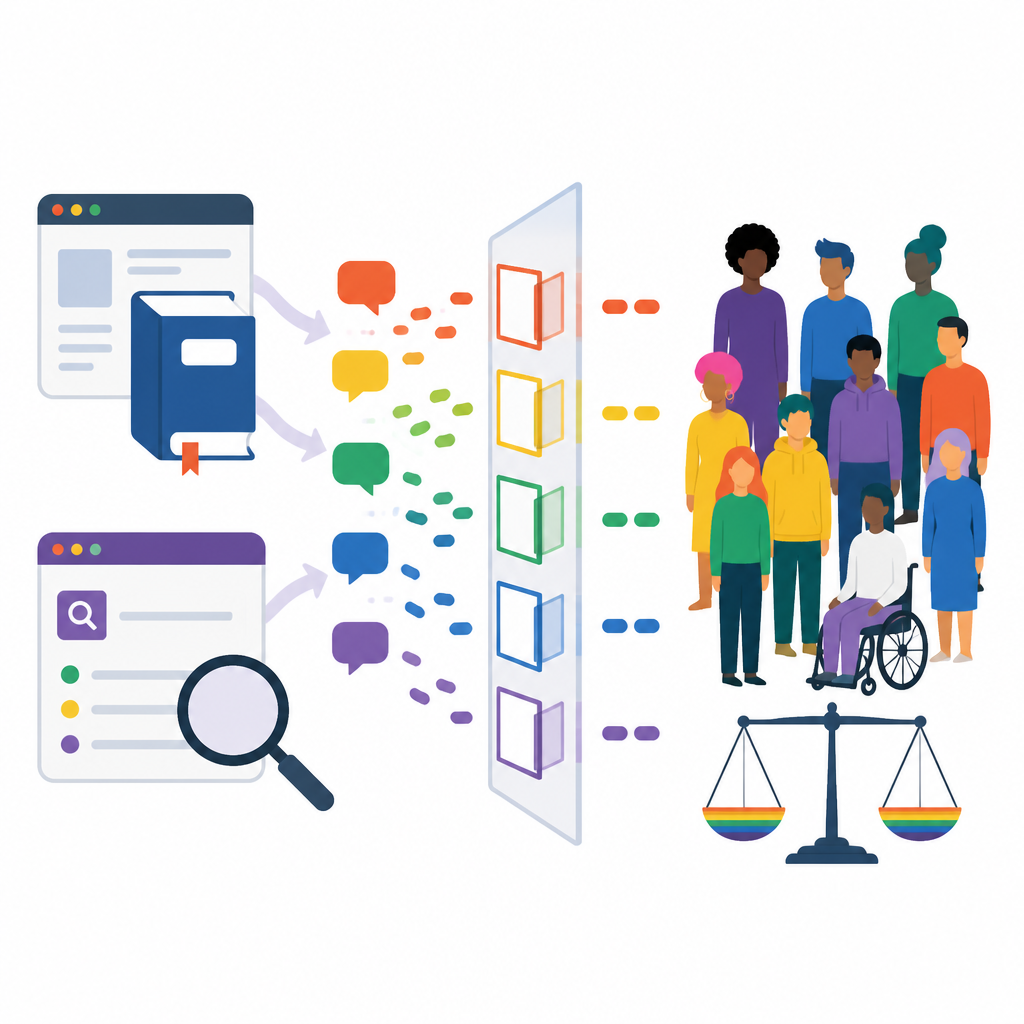
What gets in, what stays out
Oxford’s online dictionaries include just over sixty percent of the LGBTQ slang items on the Wikipedia list, which suggests a real effort to reflect everyday usage. However, many terms are still missing, especially slang for transgender and non-binary people, for lesbians, and insults aimed at gay men. Some words appear only at the margins inside examples, not as entries in their own right. The dictionaries also often “smooth out” slang meanings. For instance, some terms that originally referred to LGBTQ people are redefined in broader ways that apply to “someone” in general, which can blur their community roots and make their history harder to see.
Warning labels and the fine line between use and abuse
Among the slang terms that are included, almost sixty percent are marked as offensive. Oxford does this through a rich set of warning labels that describe how frequently and how strongly a word tends to offend. These labels may help readers avoid hurtful language, but they also reveal whose feelings count most. Because many outside the LGBTQ community do not fully grasp in-group slang, editors must decide whether to follow majority habits or respect how LGBTQ speakers themselves feel about a word. The study argues that Oxford is trying to walk a middle path, using labels to balance honest reporting of usage with a sense of moral responsibility about harmful speech.
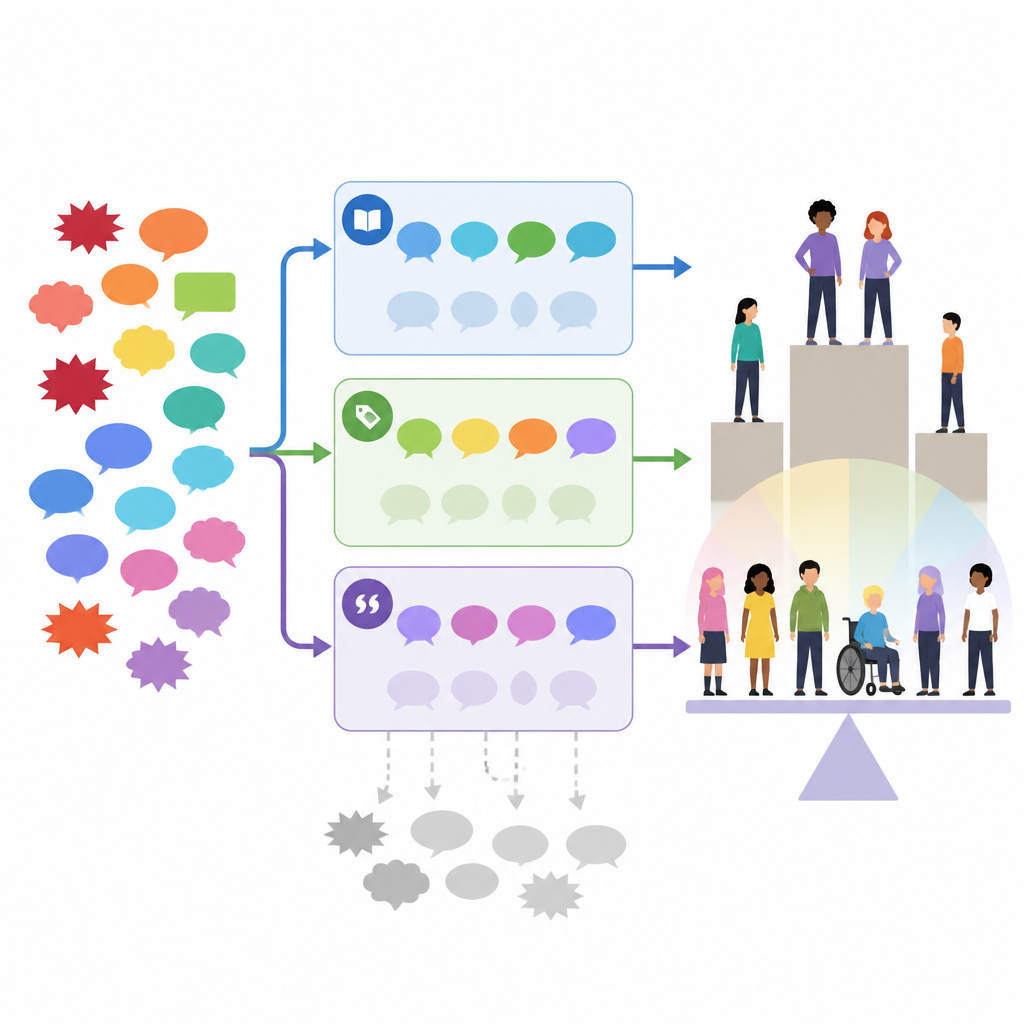
Hidden patterns in examples and pronouns
The example sentences attached to entries show subtler forms of bias. Identity words like homosexual, gay, lesbian and queer appear far more often than labels that stress the full spectrum, such as LGBT+. Terms like queer and trans are sometimes used in neutral ways, but the examples still lean heavily on traditional ideas of men and women. Male-focused words and the pronoun he are especially common, while they is used less often, and newer gender-neutral pronouns scarcely appear at all. Many examples also build small hierarchies: active or older men are placed above passive or younger partners, lesbians and bisexual women are framed in stereotyped ways, and LGBTQ people are frequently shown as victims or as problems to be managed by authorities, media or law.
What this means for language and society
The authors conclude that Oxford’s online dictionaries are neither simple mirrors of how people talk nor pure rule books telling us how we should speak. Instead, they sit in the middle, both reflecting and shaping social values. On the positive side, the dictionaries now include more LGBTQ slang, feature some inclusive terms, and use labels to warn against certain insults. At the same time, by omitting many expressions, softening some meanings, and relying on examples that quietly favor old gender norms, they still help to keep existing power imbalances in place. The study suggests that closer collaboration between dictionary makers and scholars of gender and sexuality could push future dictionaries to tell a fuller, fairer story about LGBTQ lives.
Citation: Xu, X., Chen, W. Language, dictionaries and society: the (re)presentation of LGBTQ individuals in Oxford online English dictionaries. Humanit Soc Sci Commun 13, 694 (2026). https://doi.org/10.1057/s41599-026-07056-8
Keywords: LGBTQ language, online dictionaries, Oxford English, gender bias, critical lexicography