Clear Sky Science · en
Mapping the evolution of virtual characters in digital culture: a bibliometric analysis of research trends (2019–2024)
Digital faces in our everyday lives
From cartoonish VTubers on YouTube to impossibly polished Instagram stars, virtual characters are quickly becoming part of daily online life. This article explains how research on these computer-made personalities has grown in just a few years, what scientists are learning about their impact on people and businesses, and why questions of trust, realism, and ethics now sit at the center of debates about our digital future.
How the study of virtual personalities took off
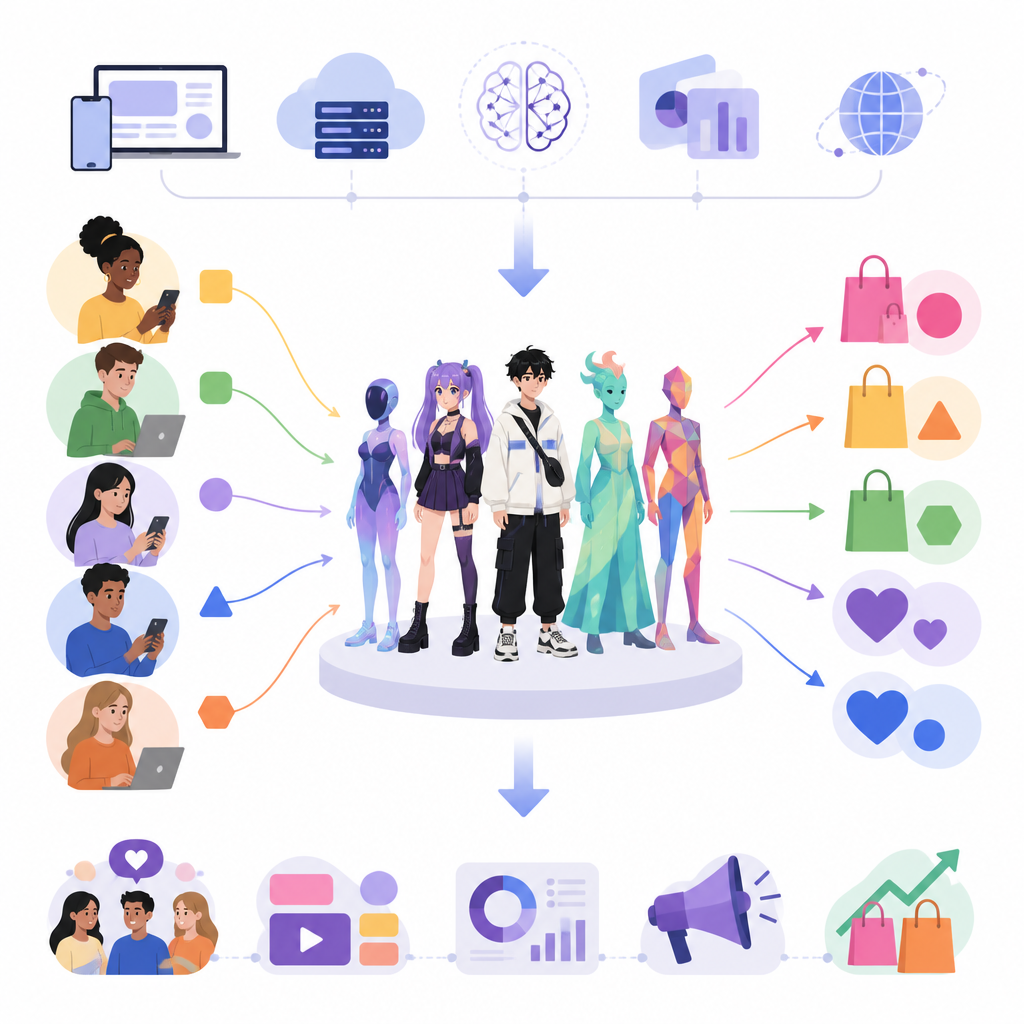
The authors reviewed 507 peer-reviewed studies published between 2019 and 2024 on virtual characters such as virtual influencers, VTubers, avatars, and virtual streamers. By using two major research databases, they traced how interest in these digital figures has moved through three stages. First came a technological phase, when work focused on new tools like motion capture, artificial intelligence and virtual reality. Next, attention shifted to how these characters spread across social media platforms and became active in influencer marketing. Most recently, studies have zeroed in on commercial questions: how these digital personas shape consumer trust, buying decisions, and online engagement.
Different paths in different parts of the world
The article shows that research on virtual characters is led mainly by China and the United States, but the two countries tend to look at different things. Chinese studies usually ask how virtual streamers and influencers can boost sales in live shopping and e-commerce, often focusing on platforms like Douyin and Bilibili. American work is more theory driven, examining ideas such as authenticity, the “uncanny” feeling that very human-like figures can trigger, and how people form one-sided emotional bonds with digital personalities. Other countries, including South Korea, the United Kingdom and Australia, add work on culture, tourism and entertainment, yet the overall global research network is still quite fragmented, with many small teams that rarely collaborate.
What researchers are most curious about
By mapping often-used keywords, the authors find that current hotspots include virtual influencers on social media, artificial intelligence, credibility, and live streaming. Many studies ask whether people trust a virtual spokesperson as much as a human one, and how design choices such as a more cartoon-like or more realistic look change that trust. Researchers also examine how virtual characters can spark feelings of closeness similar to those people feel toward real celebrities, and how these feelings influence purchase intention and word-of-mouth. A recurring theme is the “uncanny valley,” the uneasy reaction some users have when a digital face looks almost, but not quite, human, which may hurt both comfort and willingness to buy.
How scholars connect the dots
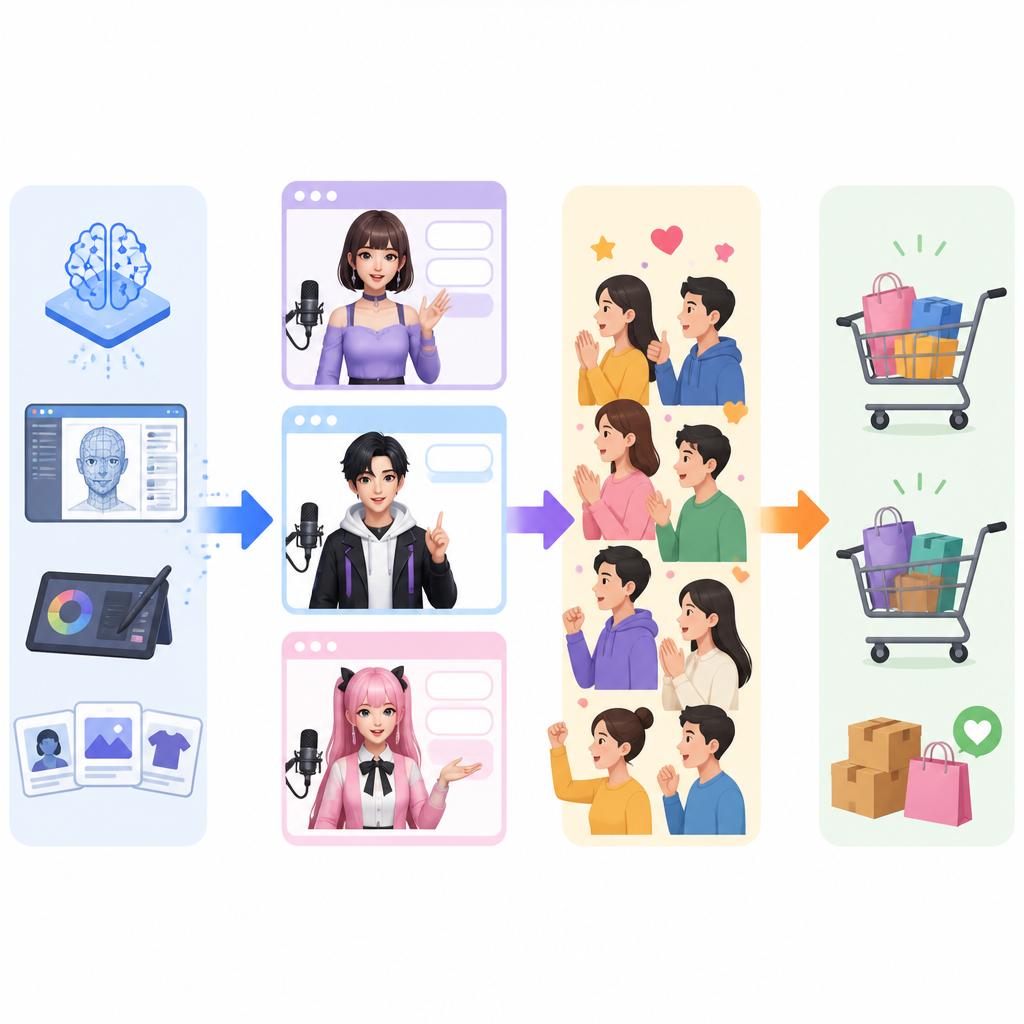
To organize this fast-growing field, the authors draw on two classic ideas about technology. One is the diffusion of innovations, which looks at how new tools spread from early fans to the mainstream. The other is the technology acceptance model, which highlights how usefulness and ease of use affect whether people adopt a new technology. Applied to virtual characters, these ideas suggest that people accept digital influencers when they seem helpful, easy to interact with, and emotionally believable. The authors combine these strands into a framework that links three elements: how convincing a virtual character seems, how it looks and behaves on screen, and how it shapes interactions between consumers and brands.
Open questions and what comes next
Beyond marketing success, the review uncovers growing concern over who is responsible when a virtual character misleads or harms users, and how to regulate increasingly lifelike digital figures. While companies rush to deploy AI-created influencers and streamers in shopping, tourism and other areas, research on long-term psychological and ethical effects still lags behind. The authors conclude that virtual characters are likely to become more realistic, more emotionally responsive, and more deeply woven into social media and live commerce. For everyday users, this means that the lines between human and digital spokespeople will continue to blur, making it even more important to understand how these crafted personas shape our choices, expectations and sense of what is real online.
Citation: Wang, L., Yeap, J.A.L. Mapping the evolution of virtual characters in digital culture: a bibliometric analysis of research trends (2019–2024). Humanit Soc Sci Commun 13, 726 (2026). https://doi.org/10.1057/s41599-026-06933-6
Keywords: virtual influencers, VTubers, virtual avatars, live streaming commerce, digital marketing