Clear Sky Science · en
Exploring the motivations of young museum users through identifying personas based on Bartle’s taxonomy of players
Why young people and museums matter
Many museums dream of becoming favorite hangouts for young people, not just quiet places full of glass cases. This study looks at why young visitors choose to visit—or avoid—museums, using ideas borrowed from video games. By understanding what different kinds of young visitors enjoy, museums can design experiences that feel more like meaningful adventures than school field trips.
Four kinds of museum gamers
The researchers studied young visitors to Beijing’s Palace Museum, one of China’s best-known historic sites. Instead of sorting people by age, gender, or education, they used a popular game-design idea called player types. In online games, players often fall into four broad styles: Explorers who love discovering hidden corners, Socializers who enjoy connecting with others, Achievers who chase goals and rewards, and Attackers (here renamed from “Killers”) who like challenge and competition. The authors turned these four styles into four “personas”—fictional but research-based characters that stand in for real groups of visitors. 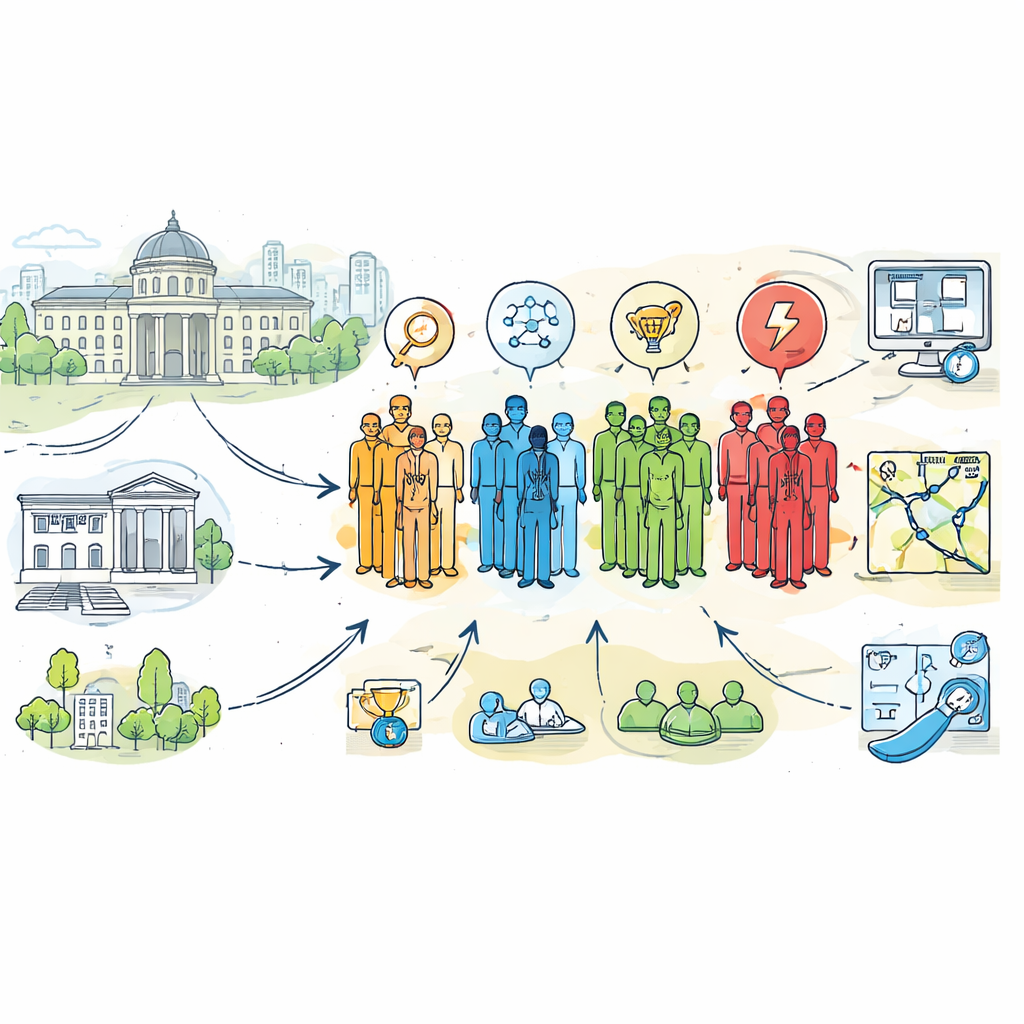
How the study followed real visits
To bring these personas to life, the team first gave an established online “Bartle test” about play style to 99 university students, then carefully chose one ideal Explorer, Socializer, Achiever, and Attacker. Each persona took part in a detailed visit journey that covered three phases: before the visit (planning routes, buying tickets, exploring apps and virtual tours), during the visit (moving through palace spaces, using guides or games, shopping, eating), and after the visit (online shopping, videos, and games related to the museum). The researchers shadowed them in person, recorded their screens in virtual visits, interviewed them in depth, and asked them to jot feelings and moments on specially designed “experience cards.”
What motivates each type of visitor
The Explorer persona was driven by freedom and curiosity. He enjoyed side paths more than main routes, wanted cabinets and side halls to hint at hidden stories, and favored quiet discovery over guided tours—so long as detailed explanations were available when he sought them. The Socializer persona cared most about relationships. She wanted interactive stories, branching video content, educational games that involved other people, costumes and role-play, and souvenirs or digital tickets that could be shared with friends. The Achiever persona focused on progress and accomplishment: she preferred games with multiple rounds, collectible artifacts and virtual “achievements,” and systems where effort—such as reading museum materials—could be exchanged for points, coins, or discounts. The Attacker persona sought challenge and distinctiveness, favoring unusual routes, rare objects, and game features that allowed one-on-one competition or comparison with others.
Shared threads beneath the differences
Although each persona had a dominant drive, the study showed important overlaps. Explorers and Socializers both enjoyed exploring the museum, though for different reasons: one for knowledge, the other for shared stories. Socializers and Achievers both valued social contact, whether through sharing photos and tickets or group activities. Achievers and Attackers both liked feeling proud of their accomplishments and rankings. Explorers and Attackers were united by curiosity about lesser-known spaces and hidden details. Survey data from 122 test results suggested that these motivations are fairly evenly spread among young visitors, with no single type overwhelmingly dominant. This pattern supports the idea that people often mix several motivational styles rather than fitting a single rigid box. 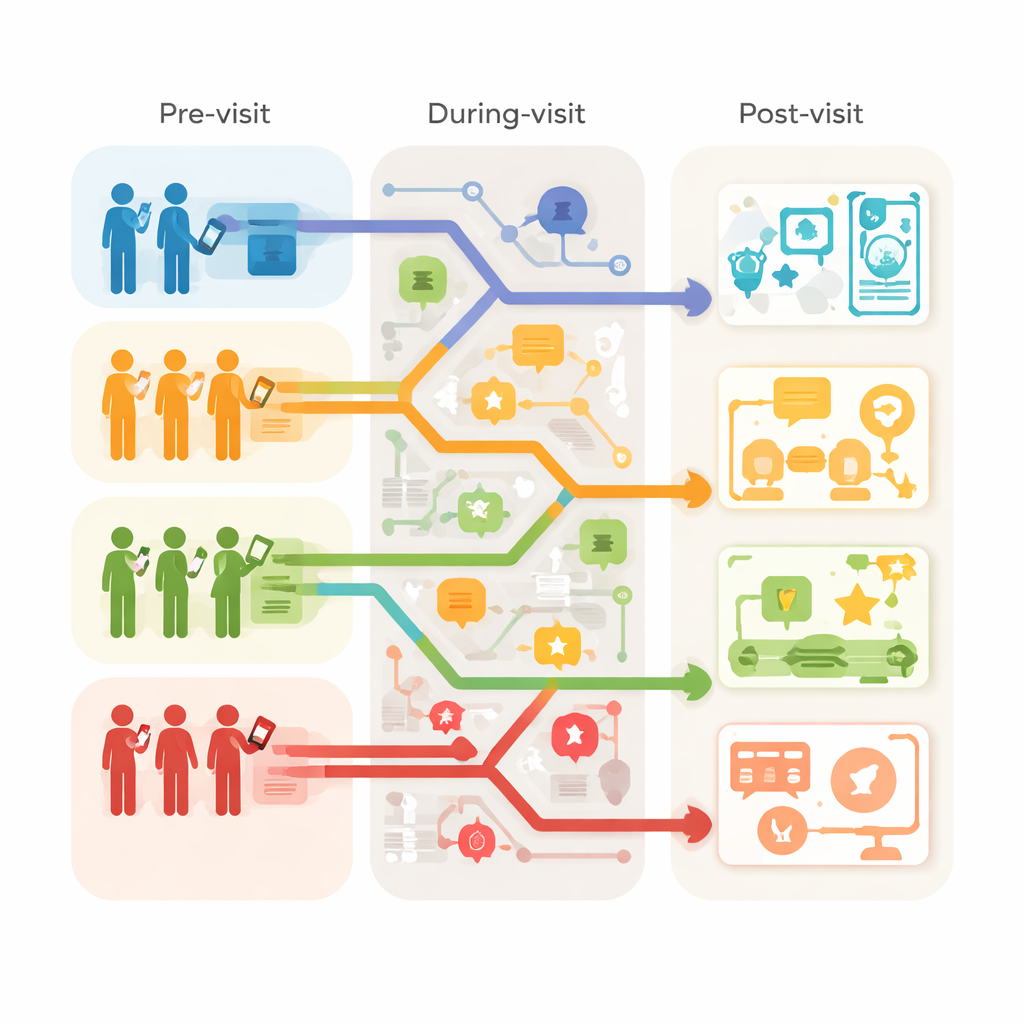
Designing better visits without rebuilding the museum
Instead of calling for four totally different kinds of exhibitions, the authors argue that museums should tune their services to tap into these intrinsic motivations. For Explorers, that might mean optional secret routes and subtle hints of hidden stories. For Socializers, it suggests more collaborative games, shareable souvenirs, and staff or digital tools that encourage conversation. Achievers respond well to visible progress and meaningful rewards, such as collecting digital artifacts or unlocking special content. Attackers can be engaged with optional challenges, alternate paths, or friendly competitions that do not overwhelm other visitors. Crucially, the study recommends moving beyond simple prize systems toward experiences that feel personally meaningful and satisfying over time.
What this means for museum visitors
In plain terms, the paper concludes that young people stick with museums when their deeper reasons for visiting are recognized: the freedom to explore, the joy of sharing, the pride of achieving, or the thrill of a good challenge. By borrowing tools from game design and building realistic visitor personas, museums can design services that respect these inner motivations. The Palace Museum case suggests that other historic house museums—especially the many sites in Beijing that protect ancient buildings—can use similar approaches to create visits that feel less like one-off obligations and more like experiences young visitors genuinely want to repeat.
Citation: Liu, S., Xi, C. & Idris, M.Z. Exploring the motivations of young museum users through identifying personas based on Bartle’s taxonomy of players. Humanit Soc Sci Commun 13, 367 (2026). https://doi.org/10.1057/s41599-026-06716-z
Keywords: gamification, museum visitors, young audiences, visitor motivation, persona design