Clear Sky Science · en
Age-period-cohort effects on travel mobility: evidence from Taiwan
Why everyday driving habits matter
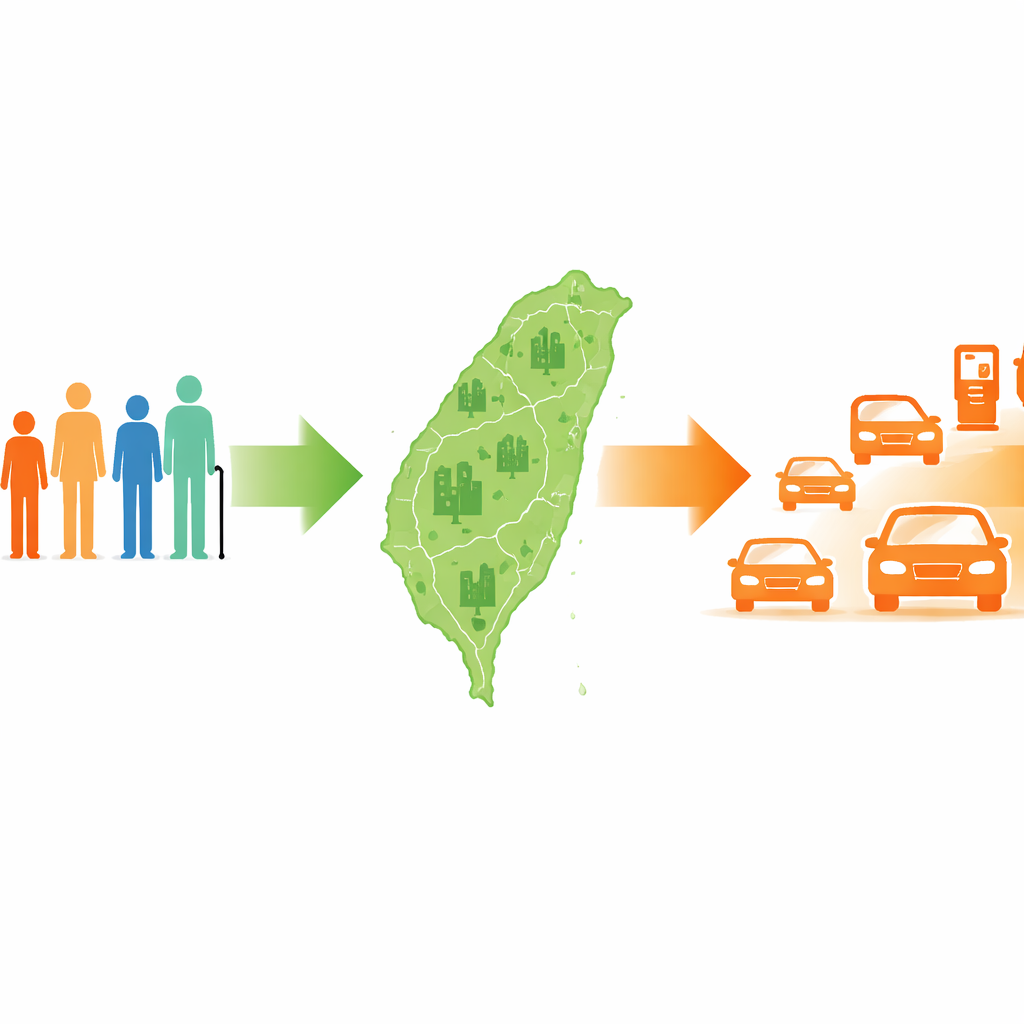
How often people get behind the wheel shapes traffic jams, air pollution, fuel use, and even how cities grow. This study looks at car use in Taiwan over a decade of rapid aging and social change, asking a simple but important question: are people finally driving less, or are cars still gaining ground despite talk of a global “peak car” era?
Looking at drivers across time
The researchers analyzed two large nationwide surveys of private car users in Taiwan, collected in 2008 and 2018. These surveys recorded how many days per week a car was driven, how long it was used each day, and how much money was spent on fuel each month. Alongside that, they captured who the drivers were—their age, income, education, where they lived—and why they used the car, such as for commuting, business, visiting others, or shopping and leisure. By comparing the same kinds of drivers at two points in time, the authors could see how travel habits shifted as Taiwan’s population aged and younger generations entered the workforce.
Age, generation, and timing
To untangle the influences of getting older, living in a particular period, and belonging to a specific generation, the study used an "age-period-cohort" framework. Age effects capture how travel changes as people move from their 20s into middle age and then older age. Period effects capture forces that hit everyone at once, such as economic shifts or new transport infrastructure. Cohort effects highlight differences between people born in different eras, who grew up with different expectations about mobility. This three-way view allowed the authors to see, for example, whether lower car use among seniors came mainly from aging itself or from having grown up in earlier, less car-oriented times.
What the numbers say about car use
The data show that from 2008 to 2018, car use in Taiwan increased rather than leveled off. Drivers used their cars on more days each week, spent more time on the road each day, and paid more for fuel each month, even after adjusting for price changes. Younger and middle-aged adults, particularly those born between the late 1960s and late 1970s, stood out for especially high mobility, with more driving days and greater fuel spending than older generations. By contrast, people aged 50 and above, and especially those over 60, drove less often, spent less time behind the wheel, and used less fuel. The study also found that men tended to take longer trips and spend more on fuel, while women tended to have more driving days, likely reflecting differences in work, caregiving roles, and daily routines.
Work trips and city context
Not all trips contributed equally to rising car use. Driving for work—both daily commuting and business travel—was the strongest driver of growth in car use and fuel spending over the decade. People who mainly used their cars to get to work or conduct business added more driving days and longer travel times than those whose main trips were for shopping or leisure. At the same time, drivers who also relied heavily on motorcycles or public transport tended to use their cars less, suggesting that these modes can partially substitute for car travel. Regional differences also mattered: drivers in Taiwan’s more urbanized northern, central, and southern regions had fewer driving days than those in the rural east, but their trips were longer and costlier, reflecting denser activity patterns and more congested travel.
Balancing young drivers and an aging society
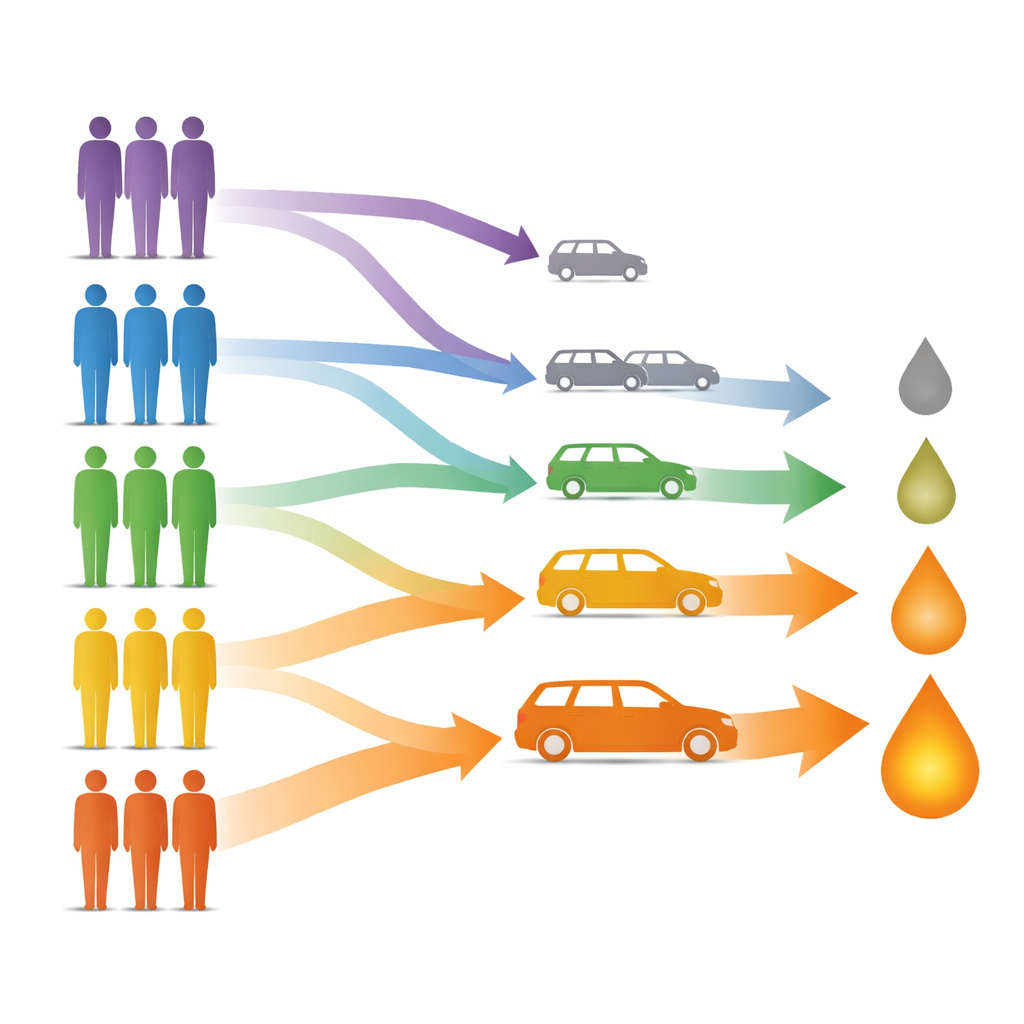
By breaking down the changes in car use, the authors show that Taiwan has not yet reached “peak car.” Overall growth in car use is propelled by younger cohorts who drive frequently and intensively for commuting and business, even as an expanding older population drives less. In other words, population aging on its own would reduce car use, but this effect is more than offset by the habits and expectations of younger generations. For policy makers, this means that promoting greener mobility cannot focus only on seniors or occasional drivers. Instead, the most effective leverage points are everyday workers and younger drivers, for whom better public transport, attractive alternatives to solo driving, and age-friendly, accessible travel options could shift behavior without sacrificing mobility or quality of life.
Citation: Huang, WH., Jou, RC. Age-period-cohort effects on travel mobility: evidence from Taiwan. Humanit Soc Sci Commun 13, 350 (2026). https://doi.org/10.1057/s41599-026-06695-1
Keywords: travel mobility, car use, Taiwan, demographic change, commuting