Clear Sky Science · en
Involving patients by virtue of their experiential knowledge in health research: lessons from the onboarding process in a transdisciplinary project at Belgian universities
Why Patients’ Voices Matter in Cancer Research
Cancer care is about far more than tests, scans, and medicines. It also touches people’s emotions, relationships, jobs, and sense of self. This article looks at a Belgian project called “Symphony of Us,” which set out to bring cancer patients directly into the heart of research, not just as study subjects, but as partners and co‑researchers. By listening to people who have lived through cancer and training them to work alongside academics, the project hopes to shape studies that truly reflect what matters most to patients in their daily lives.
Bringing Different Worlds Around One Table
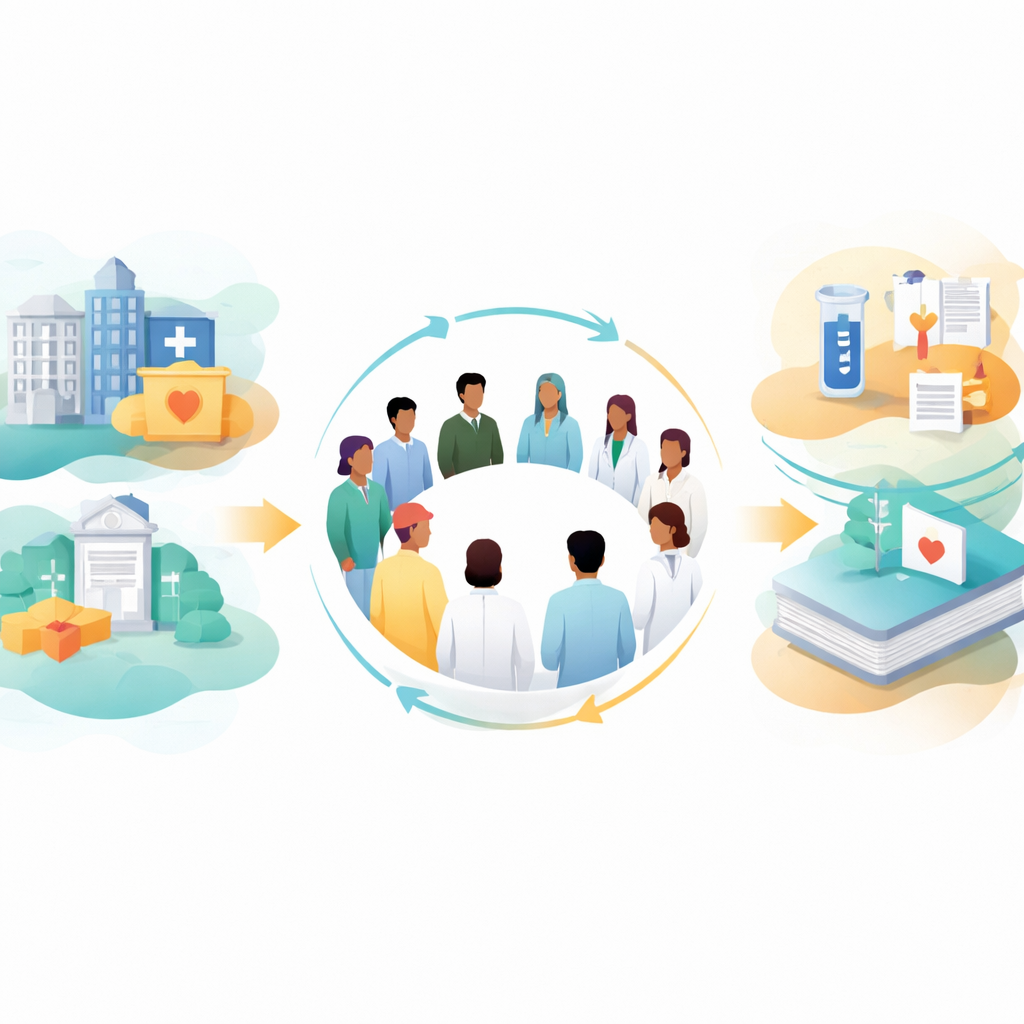
The project is built on an approach known as transdisciplinary research, where people from different academic fields—such as law, nursing, biomedical, and social sciences—team up with non‑academics like patients, caregivers, and health professionals. Instead of researchers designing studies alone and then asking patients for feedback, everyone co‑creates the questions and methods together. In “Symphony of Us,” this meant actively recruiting people with personal experience of cancer, regardless of whether they had any scientific background, and inviting them to join as equal team members in a two‑year effort to rethink how “patient value” is defined and used in oncology research.
From Open Call to Close‑Knit Team
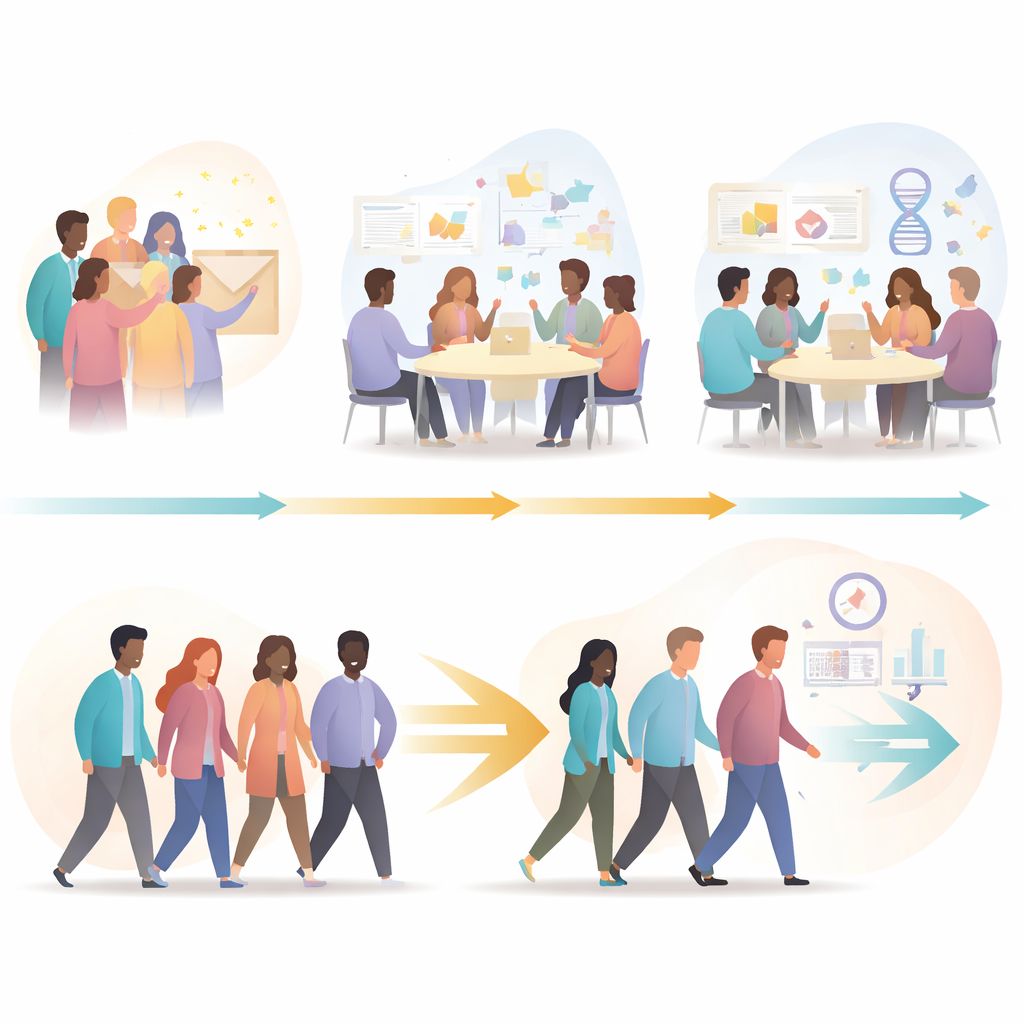
The team began by sending out a wide call through patient groups, social media, and health contacts to find interested participants. Twenty‑two people registered for an online information session, and from there a smaller group moved forward. Over several months, natural drop‑out and self‑selection led to a final team of four academic researchers and four patient‑researchers, all cancer survivors. Although the shrinking numbers were not ideal, it helped ensure that those who remained were both curious about research and ready to invest time and energy. The authors stress that this kind of work demands patience, flexibility, and a willingness from scientists to share control of the project from the very beginning.
Learning Together Through Workshops and Training
A key part of the onboarding was a two‑day workshop followed by a two‑day training. During the workshop, patient participants and researchers got to know each other through structured conversations and practical exercises about personal values, life priorities, and experiences with cancer care. Using a strengths‑based method, they explored what works well in care, imagined better futures, and discussed how research might help get there. Patient‑researchers describe this as a safe, welcoming space where they could finally talk openly about what they value, listen to very different views, and discover a sense of shared purpose and community.
Turning Experience into Research Skills
The follow‑up training focused on giving patient‑researchers the tools they needed to take part in real studies. They learned about how research is planned, what qualitative methods such as interviews and focus groups look like, and how to handle sensitive stories and confidentiality. Together, they helped shape upcoming studies and co‑wrote a “collaboration charter” that spelled out shared values, roles, and expectations. Patients describe stepping out of their comfort zone, but also feeling empowered: their lived experience was no longer just something that happened to them, but a source of insight that could help improve cancer care for others.
What the Team Learned and What Still Needs Fixing
Working so closely with people who have faced serious illness brought deep rewards and tough challenges. The team learned the importance of trust, emotional safety, and clear boundaries, since revisiting cancer stories can be painful and tiring. They also had to juggle different viewpoints, academic rules, time pressure, and limited funding—especially for fairly recognizing patients’ contributions, which are often treated as unpaid “volunteer” work. The article calls for better training, more flexible project designs, and funding rules that value experiential knowledge on the same level as traditional expertise.
Building a Fairer Way to Do Cancer Research
In plain terms, the article shows that when patients are treated as partners instead of passive subjects, cancer research becomes more human, more grounded, and potentially more useful. The “Symphony of Us” experience suggests that carefully designed workshops, shared learning, and honest conversations about power and limits can turn personal suffering into collective insight. The authors argue that universities, funders, and research teams should make space—and provide resources—for this kind of collaboration from the very start. Done well, involving patient‑researchers can help steer cancer research toward what people living with the disease actually need in their everyday lives.
Citation: Lalova-Spinks, T., Horicks, F., Léonard, S. et al. Involving patients by virtue of their experiential knowledge in health research: lessons from the onboarding process in a transdisciplinary project at Belgian universities. Humanit Soc Sci Commun 13, 501 (2026). https://doi.org/10.1057/s41599-026-06681-7
Keywords: patient involvement, cancer research, experiential knowledge, transdisciplinary teams, healthcare collaboration