Clear Sky Science · en
Youth, personality and collective victimhood distinguish support for radical climate action
Why climate protest styles matter
From roads blocked at rush hour to scientists getting arrested at rallies, climate protests are hard to miss. But who actually supports these more extreme tactics, and why? This study followed over a thousand Australians who already support action on climate change to see what drives people toward either familiar, lawful forms of protest or more radical, rule-breaking ones. The answers challenge the stereotype of the angry, hard-left climate radical and instead point to a powerful sense that one’s side has suffered unfairly.
The many ways people push for change
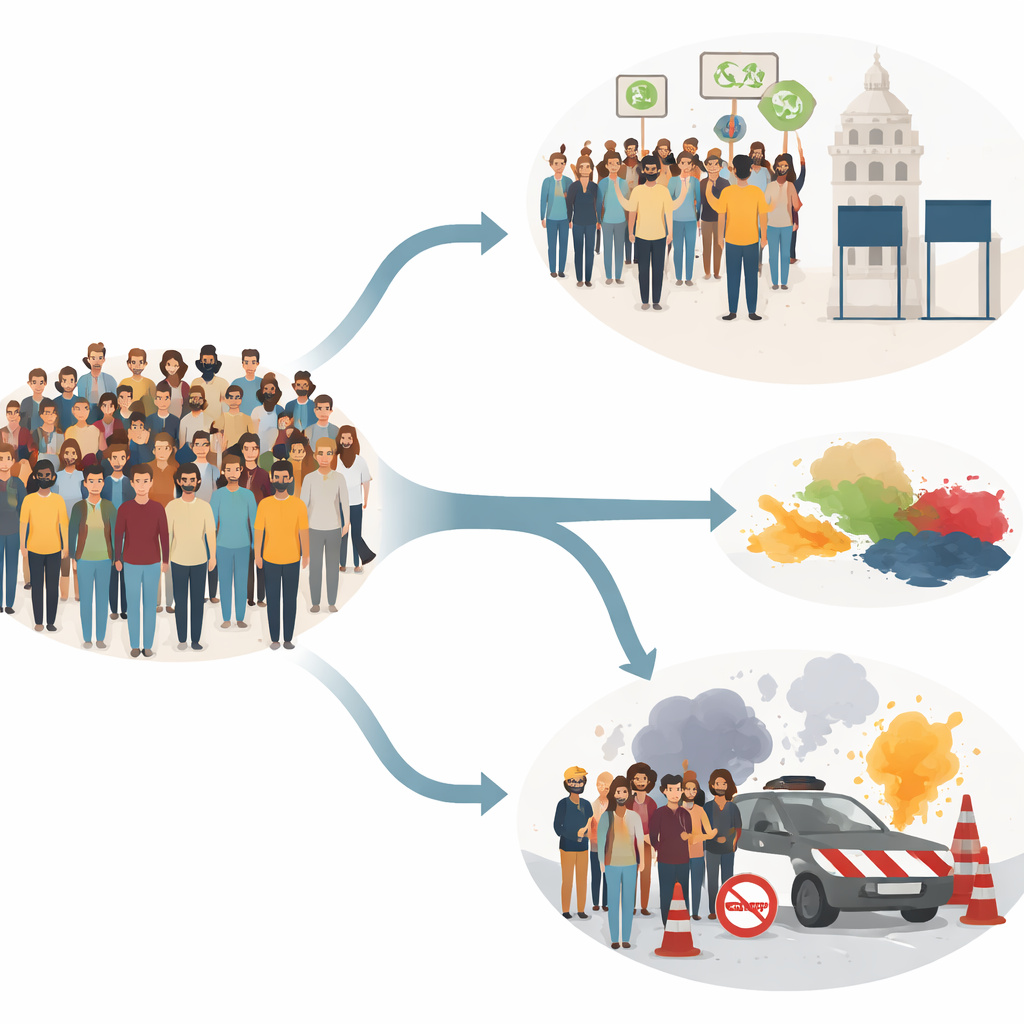
Not all climate protests look the same. Some people sign petitions, attend peaceful marches, or donate to environmental groups. Others back more disruptive approaches, such as blocking traffic, damaging property, or supporting groups that break the law to draw attention to the crisis. Researchers call the first kind “conventional” action and the second “radical” action. This study set out to understand whether radical action is just a more intense version of conventional protest, or whether it springs from different motives altogether.
How the study was carried out
The researchers surveyed 1,427 adults across Australia who all said they supported taking action on climate change. Participants were questioned three times over a year. They were asked how willing they were to engage in a range of climate-related actions, from peaceful marches to law-breaking or violent tactics. The team also measured age, gender, political leanings, personality traits, belief in human-caused climate change, feelings of anger, sense of belonging to the climate movement, belief that the movement could be effective, and views about people who oppose climate action. A key measure captured “collective victimhood”: the sense that supporters of climate action have suffered more than opponents.
What separates everyday protest from radical tactics
Most people in the study were open to conventional activism but had little appetite for radical tactics. More than a quarter reported moderate to strong intentions to take part in lawful climate actions, while fewer than 4% expressed solid support for radical actions, and nearly half firmly rejected them all. Conventional activism followed a pattern familiar from past research: it was stronger among people who felt angry about climate inaction, were morally convinced their side was right, closely identified with others who share their views, believed their efforts could make a difference, and leaned politically to the left. Younger age and certain personality traits, such as being more outgoing and less rigid, also played a role.
The surprising profile of radical climate supporters
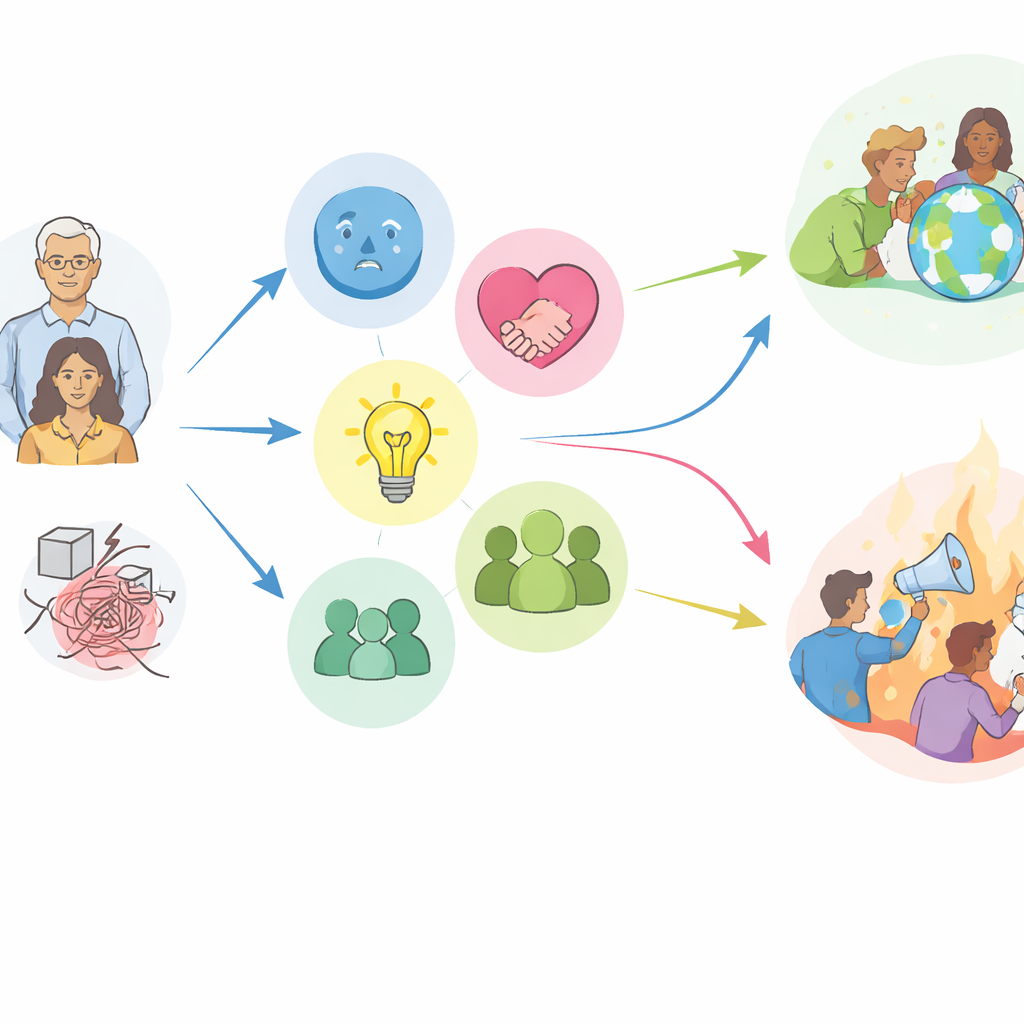
The picture for radical action was strikingly different. Support for radical tactics was highest among younger people and those who scored lower on traits like agreeableness and conscientiousness, suggesting a greater comfort with breaking rules and upsetting social harmony. Yet, contrary to common assumptions, radical supporters were not especially left-wing and, if anything, tended to have slightly weaker belief in human-caused climate change than other climate supporters (though still high overall). They also viewed climate opponents more warmly and reported more empathy toward them. The single strongest predictor of support for both conventional and radical tactics was the sense of collective victimhood: the belief that people who back climate action have been harmed, ignored, or treated worse than those who resist it.
Why feelings of unfairness may fuel stronger action
The study suggests that seeing one’s side as both virtuous and badly treated may be a powerful driver of climate activism, from writing letters to endorsing road blockades. For conventional actions, believing that the movement can succeed also matters: when people thought climate efforts were effective, they were more ready to act, and this in turn seemed to strengthen their sense of anger, moral urgency, group identity, and shared suffering over time. For radical actions, however, the data were less clear, partly because so few people backed such tactics. Even so, the overlap between youth, personality, and perceived victimhood points to a distinct pathway into radical support that does not simply reflect stronger anger or deeper hatred of opponents.
What this means for the future of climate protest
For a general audience, the main takeaway is that backing for radical climate tactics is rare, even among people who care deeply about the issue. Those who do lean radical are not simply extremists who hate the other side or believe in climate change more fiercely than everyone else. Instead, they are often younger, somewhat less rule-bound, and strongly convinced that their side has been unfairly treated. Understanding these feelings of shared harm may help policymakers, activists, and the public navigate the tensions between disruptive protest and broad support for climate action as societies grapple with how far—and how fast—to push for change.
Citation: Hornsey, M.J., Pearson, S., Wibisono, S. et al. Youth, personality and collective victimhood distinguish support for radical climate action. Commun Psychol 4, 54 (2026). https://doi.org/10.1038/s44271-026-00420-z
Keywords: climate activism, radical protest, collective victimhood, political psychology, youth climate action