Clear Sky Science · en
Primary care consultation modality and acute mental health service use in adults
Why This Matters To Everyday Care
The COVID-19 pandemic pushed many doctor visits onto phone and video calls almost overnight. For people living with depression, anxiety or severe mental illness, this raised a pressing question: does talking to your general practitioner remotely make it more likely that you end up in a mental health crisis or in hospital? This study followed over 100,000 adults in one London borough to see whether the shift to remote primary care changed how often people needed urgent mental health services.
Checking What Happens After A GP Visit
The researchers combined two large sets of electronic health records. One covered all consultations with general practitioners in Lambeth, an inner-city area of London. The other recorded contacts with local mental health services, including emergency assessments in hospital accident and emergency departments, psychiatric admissions, days spent on mental health wards and detentions under the UK Mental Health Act. They focused on adults diagnosed with depression, anxiety or severe mental illness and tracked their care from early 2019 through the end of 2021, spanning both the pre-pandemic and pandemic periods. For each person, the team calculated what share of their GP appointments in a six-month window were remote (mostly by telephone) and then counted how many urgent mental health events they experienced in the following six months.
Remote Versus In-Person Appointments
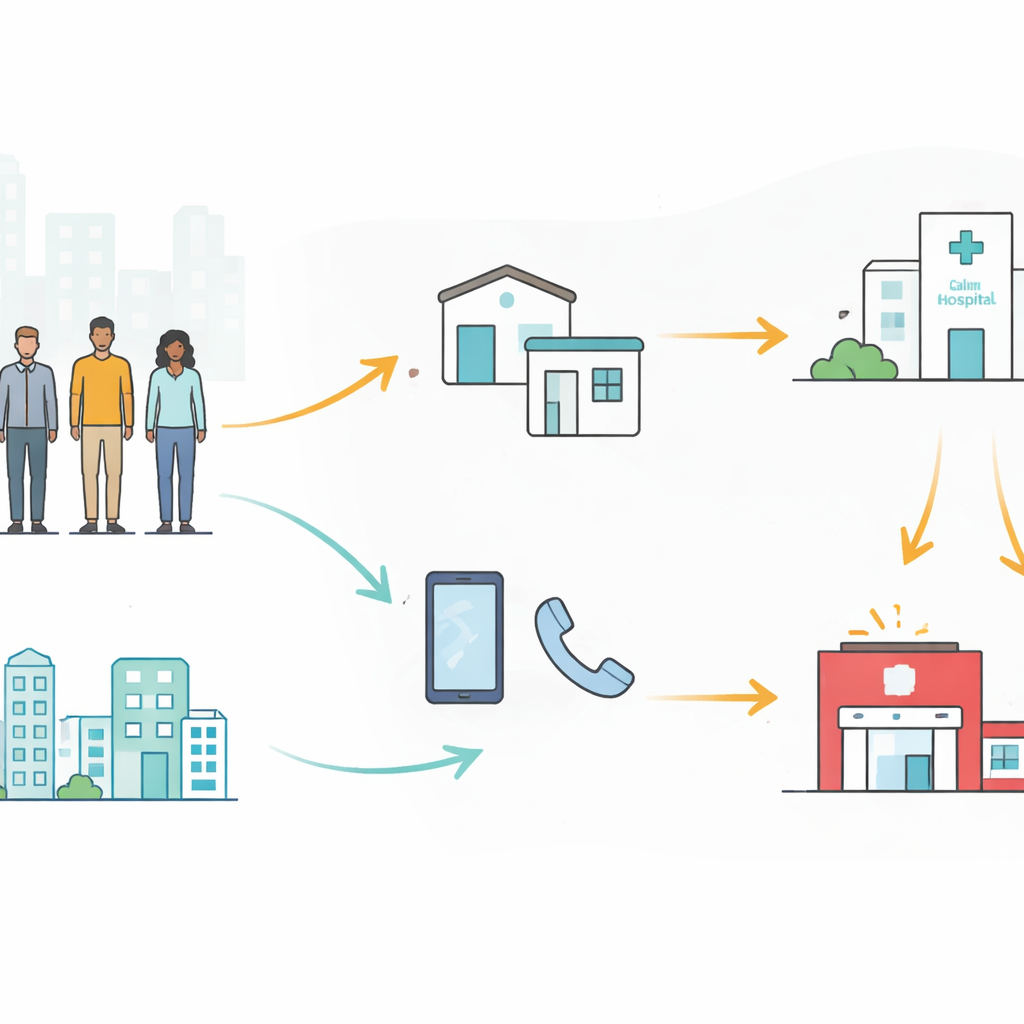
Across the study period, the 107,993 patients had more than 1.5 million GP consultations. About half were face-to-face in surgeries or clinics, and almost half were remote, overwhelmingly by phone, with only a tiny fraction using video. As the pandemic began, overall consultation numbers dipped but later rose again, and the share of remote appointments increased sharply. The researchers used statistical models that allowed for differences between GP practices and accounted for factors like age, sex, ethnicity, area deprivation, mental health history and how often each person saw their GP.
What The Study Found About Crises And Hospital Use
The central finding was subtle but important. As the proportion of remote GP consultations rose, there was a small increase in emergency contacts with mental health liaison teams based in general hospitals. Roughly speaking, for every 10-point rise in the share of remote visits, emergency presentations increased by about 4 percent. However, more remote care was not clearly linked to being admitted to a psychiatric ward, spending longer in hospital or being detained under mental health law. When the researchers used a more cautious approach to handle missing data, the hint of a link to hospital admissions disappeared, suggesting that earlier signs of higher risk were likely due to who had incomplete records rather than to the consultation style itself.
Unequal Pressures And Possible Explanations
The data also showed that background factors mattered far more than consultation type. People with a history of severe mental illness had dramatically higher rates of emergency contacts and admissions than others, regardless of how they saw their GP. Marked ethnic differences appeared too: Black patients had substantially higher rates of psychiatric admissions and detentions than white patients, whereas some other groups had fewer emergency contacts and shorter stays. These patterns echo long-standing inequalities in mental health care. As for why remote consultations might nudge up emergency visits, the authors suggest several possibilities. Without face-to-face contact and visual cues, GPs may feel less confident judging risk and therefore refer more patients to hospital as a precaution. During lockdowns, a remote GP call might also have been one of the few remaining ways for distressed people to reach help, effectively channeling more crises toward emergency departments.
What This Means For Patients And Services
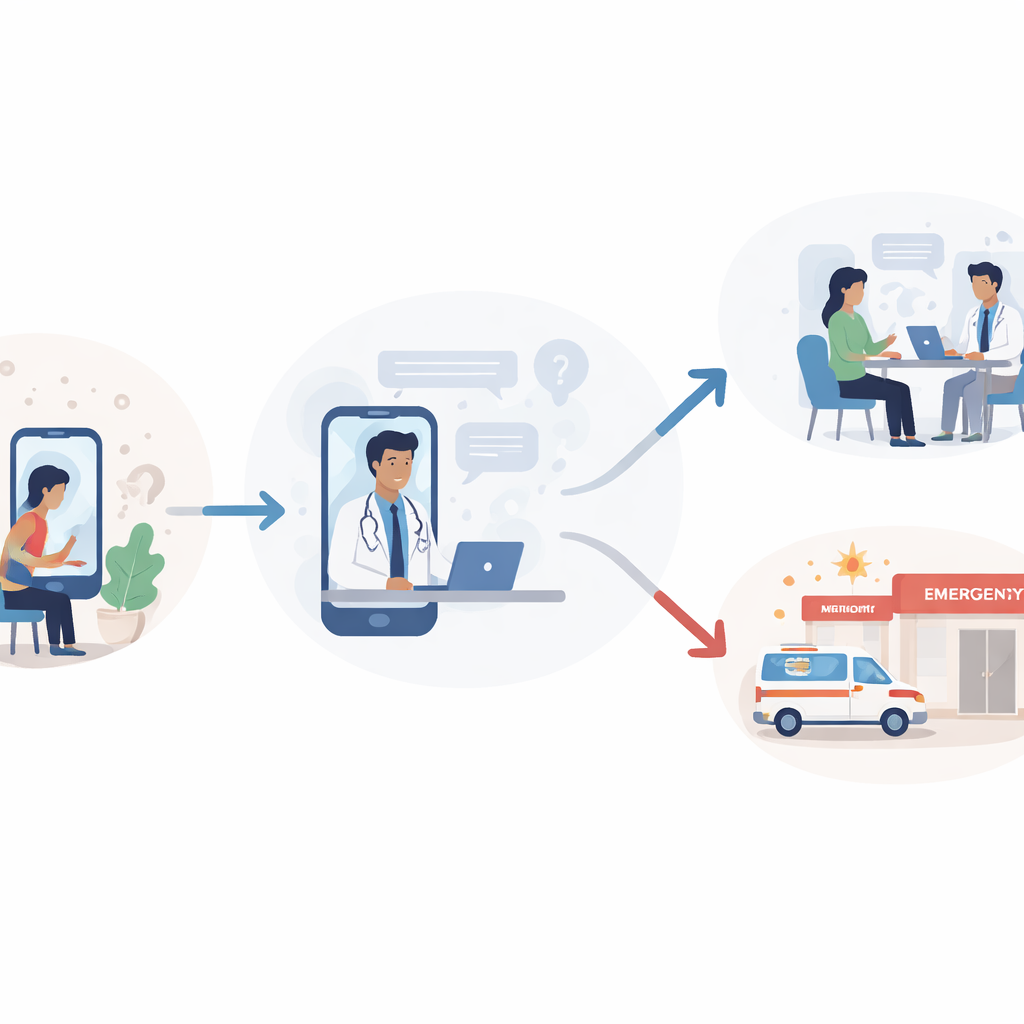
For patients and clinicians worried that remote appointments could be dangerous, the study offers measured reassurance. More frequent use of remote primary care was tied to a modest increase in emergency assessments, but not to more psychiatric admissions, longer hospital stays or higher use of compulsory powers. In other words, switching from in-person to mainly phone-based GP care did not appear to drive severe mental health deterioration requiring hospitalisation. At the same time, the findings highlight the need to improve how remote consultations handle complex or ambiguous situations, and to tackle deeper inequalities linked to diagnosis and ethnicity. Future work, especially on video-based care, may help refine when and how remote appointments can safely support people living with mental health conditions.
Citation: Hidalgo-Padilla, L., Gogarty, E., Sarkodie, R. et al. Primary care consultation modality and acute mental health service use in adults. Nat. Mental Health 4, 574–581 (2026). https://doi.org/10.1038/s44220-026-00605-9
Keywords: telehealth, primary care, mental health services, psychiatric emergencies, COVID-19