Clear Sky Science · en
Primary care pharyngotonsillitis complications following absent or deferred antibiotic treatment across the COVID 19 pandemic
Why this matters for everyday sore throats
Most of us have had a nasty sore throat and wondered whether we really need antibiotics. This study from Sweden looks at nearly 300,000 throat infection visits to primary care before, during and after the COVID-19 pandemic to ask two simple but important questions: how did doctors’ use of antibiotics change, and did those choices affect the risk of serious complications like deep throat abscesses?
How the pandemic reshaped sore throat care
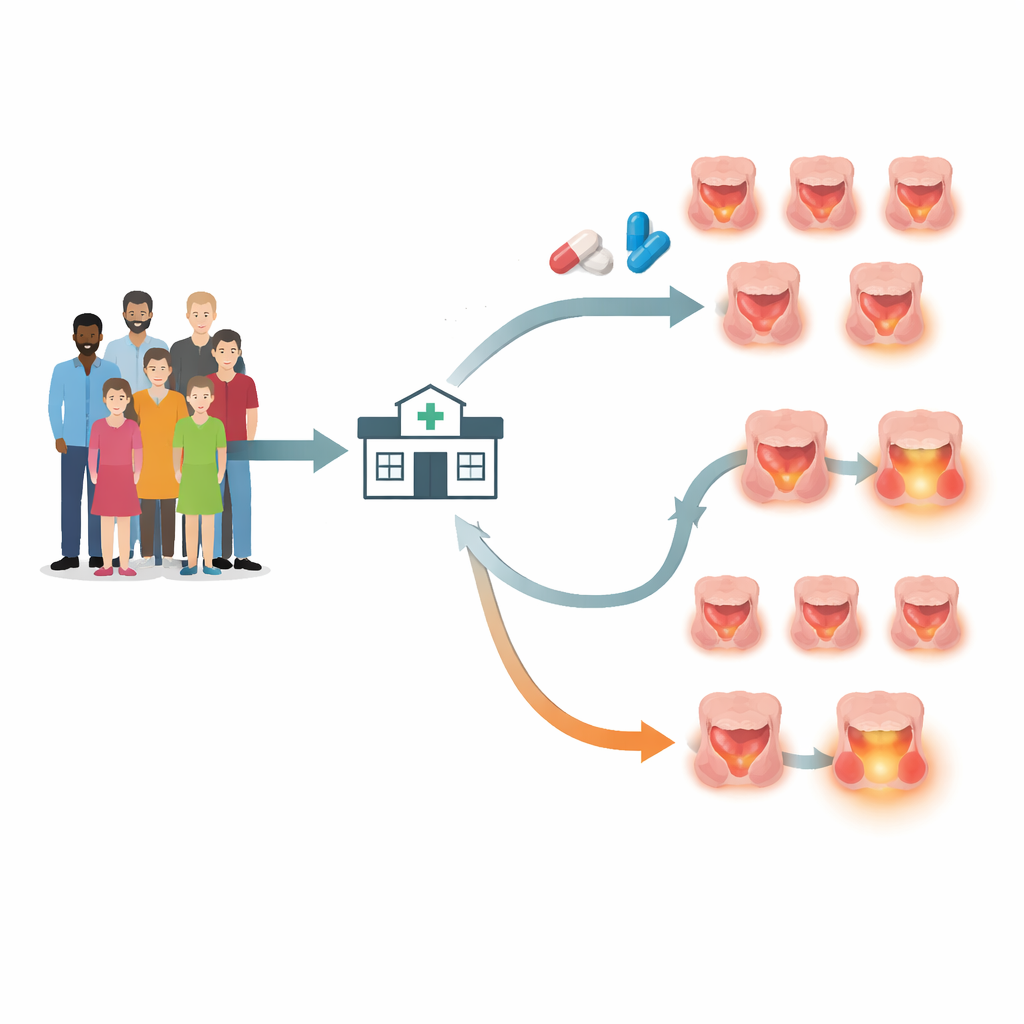
The researchers used health records from two large Swedish regions, covering about 40% of the country’s population, and followed patients aged 12 and older who were diagnosed with pharyngotonsillitis, an infection of the throat and tonsils. They tracked whether patients filled a prescription for antibiotics within two days of their visit and then checked if any serious complications developed within 30 days. These complications included deep infections around the tonsils, severe tissue infections, blood poisoning and rheumatic fever. By grouping data into pre-pandemic, pandemic and post-pandemic periods, they could see how the crisis affected everyday treatment decisions.
Fewer antibiotics, but no surge in serious illness
Before COVID-19, just over half of patients with throat infections received antibiotics. During the pandemic this dropped to about two in five, then climbed back close to earlier levels afterward. This mirrored wider shifts in healthcare: people made fewer primary care visits, and many common respiratory infections became less frequent because of distancing and hygiene measures. Crucially, the study found that this drop in antibiotic use did not lead to a wave of dangerous complications. Serious problems remained rare overall, and patients who did not receive antibiotics actually had a lower recorded rate of complications than those who did.
What happened to patients who took antibiotics
Among patients who filled an antibiotic prescription, 1.75% developed a serious complication within 30 days, compared with 0.43% of those who did not. The vast majority of these events were peritonsillar abscesses, painful pockets of pus beside the tonsil that sometimes require drainage in hospital. At first glance this might suggest antibiotics are harmful, but the authors point out an important nuance: doctors are more likely to prescribe antibiotics to people who seem sicker or at higher risk, and those patients would already be more prone to complications. Even after adjusting for age, other illnesses, number of doctor visits, education, marital status, country of birth and COVID-19 vaccination status, the group without antibiotics still showed a lower chance of complications, reinforcing that careful selection for treatment did not worsen outcomes.
Penicillin versus other antibiotics
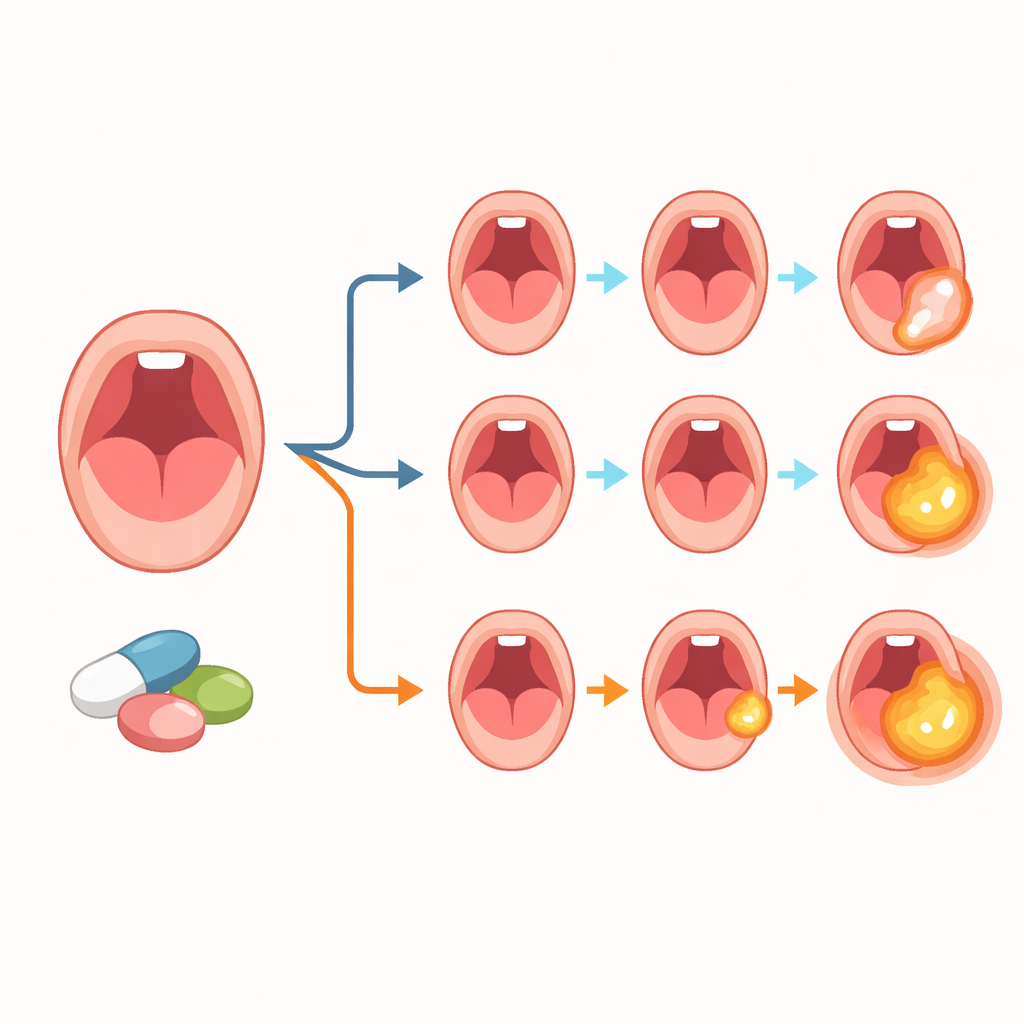
The study also compared different antibiotic choices. In Sweden, narrow-spectrum penicillin V is the standard treatment when a throat infection is clearly caused by the classic strep bacteria. Across all time periods, this remained the most commonly used drug, given to about nine out of ten patients who received any antibiotic. Patients treated with penicillin V had fewer complications (1.62%) than those given other, broader-acting antibiotics (2.87%). After statistical adjustment, using a broader antibiotic was linked to a substantially higher odds of complications. While some of this may reflect that doctors turn to broader drugs for the most worrying cases, the findings support long-standing guidance that a focused, older antibiotic can be both effective and safe when it is truly needed.
What this means for patients and doctors
For people with sore throats, the study’s message is reassuring: in a health system that is cautious with antibiotics, cutting back on prescriptions during a major pandemic did not cause more serious throat complications. In fact, serious problems stayed rare, and patients who did receive antibiotics were generally those at higher risk. When antibiotics were used, sticking with penicillin V was associated with fewer complications than switching to broader drugs. For patients, this means that not getting antibiotics for a routine sore throat is often the safer, evidence-based choice, and that a simple penicillin remains a sound option when treatment is truly warranted.
Citation: Santosa, A., Collin, J., Dahlén, E. et al. Primary care pharyngotonsillitis complications following absent or deferred antibiotic treatment across the COVID 19 pandemic. Commun Med 6, 185 (2026). https://doi.org/10.1038/s43856-026-01564-z
Keywords: pharyngotonsillitis, antibiotic prescribing, penicillin, COVID-19 pandemic, primary care