Clear Sky Science · en
Increased physical performance after personalised physiotherapy and nutritional counselling in adults with post-COVID-19 condition: a feasibility randomised trial
Why this study matters for everyday life
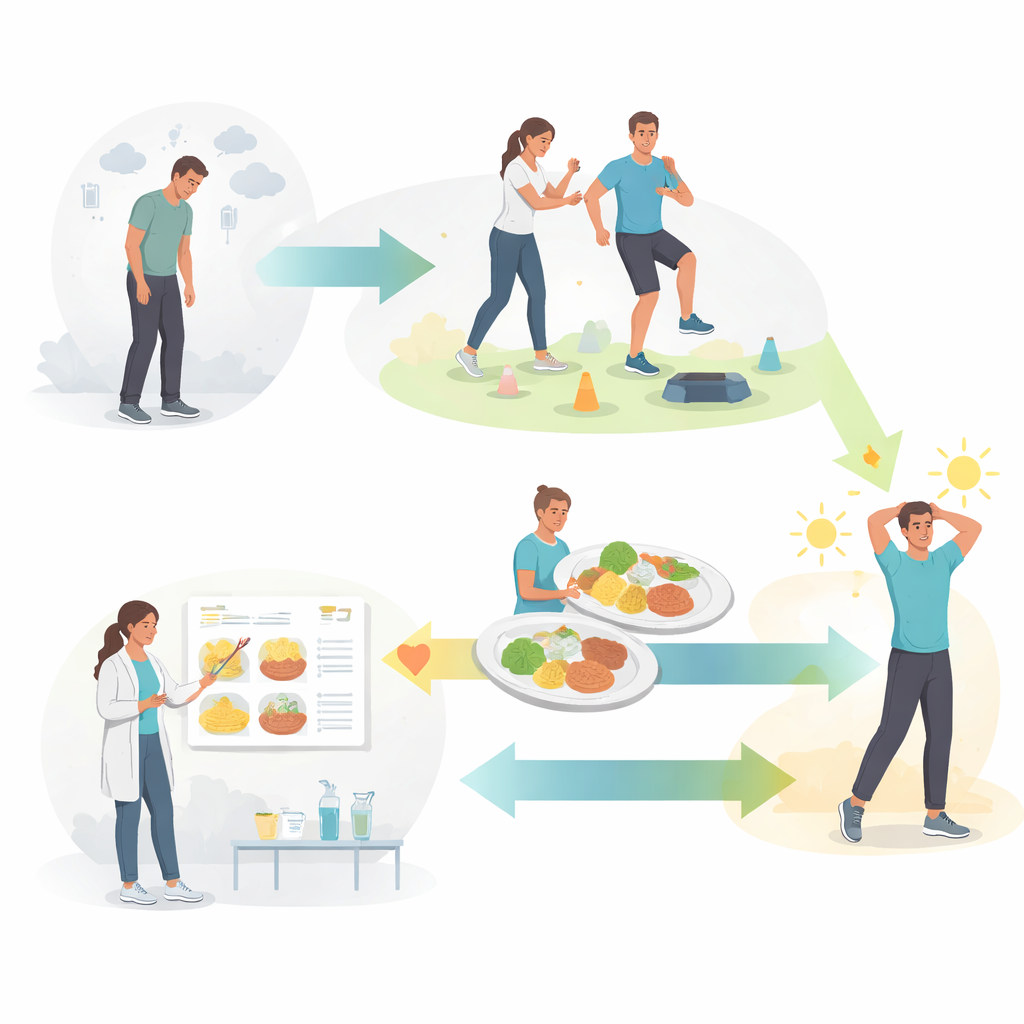
Many people who recover from COVID-19 continue to struggle for months or even years with crushing tiredness, shortness of breath, and difficulty returning to work or normal daily activities. This lingering illness, often called long COVID, has no proven treatment yet. The study in this article tested a simple idea that many patients and clinicians already suspect: that carefully guided exercise and personalised nutrition, used together, might help people regain strength and function more safely and effectively than exercise alone.
Living with long-lasting symptoms
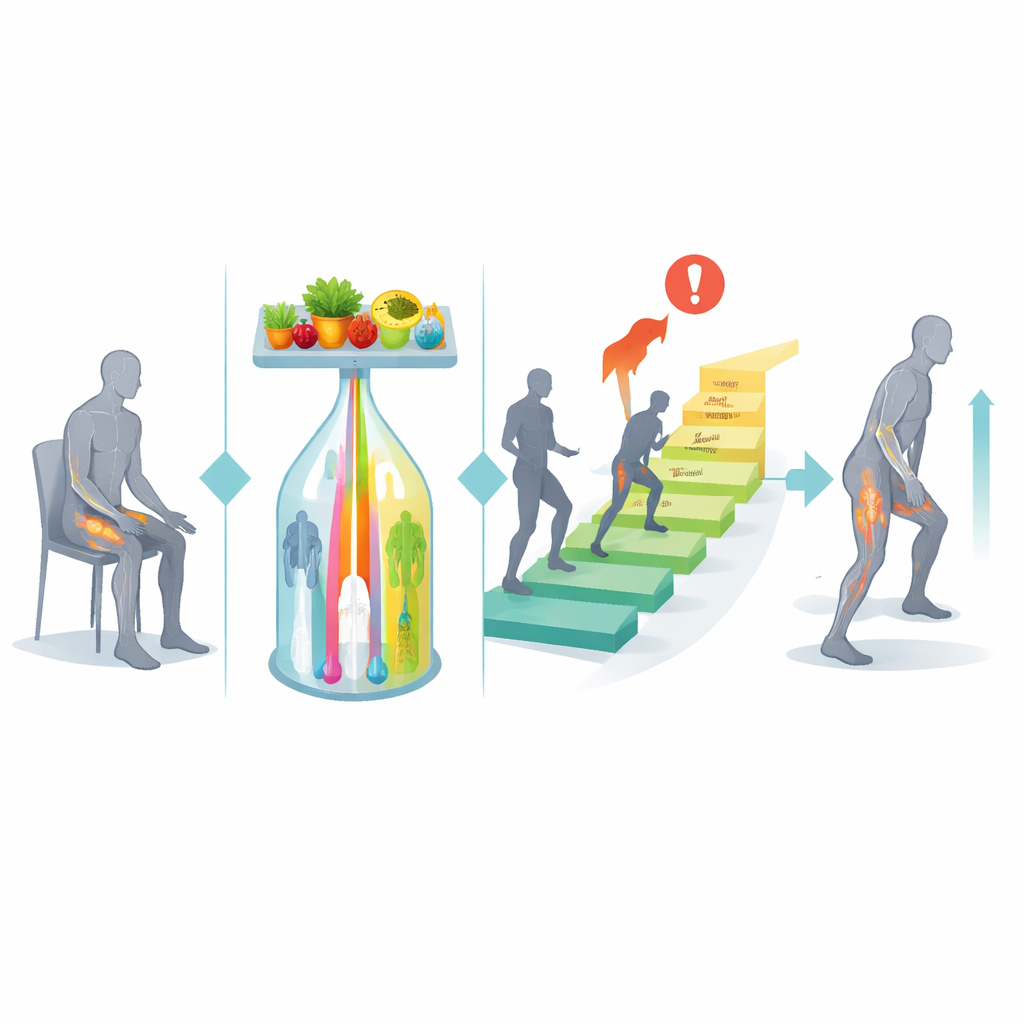
Long COVID can affect nearly every part of the body. In this trial, adults who had been living with symptoms for more than a year on average described fatigue, muscle pain, and a worsening of symptoms after even small efforts. Many were less physically active than before their infection and had trouble eating enough or maintaining a balanced diet. Measurements at the start of the study showed that, compared with national nutrition recommendations, most participants were not getting the right mix of carbohydrates, fats, and proteins, and many were not meeting their total energy needs. Their walking distance and ability to repeatedly stand up from a chair were also lower than what would be expected in healthy adults of similar age.
A combined plan: food plus movement
The researchers compared two 12-week approaches. One group received standard physiotherapy, close to what many patients already get in real life. The other group received a personalised multimodal therapy that added structured nutrition counselling to a pacing-based physiotherapy program. Dietitians first measured each person’s resting energy use with specialised equipment, then estimated how much energy and protein they needed in total, based on activity level and body composition. Weekly phone or video sessions helped participants adjust meal composition, portion sizes, and food choices, and when necessary consider supplements, so that their intake better matched their needs without ignoring symptoms like nausea, loss of appetite, or changes in taste and smell.
Gentle, symptom-aware rehabilitation
The exercise part of the personalised program followed international recommendations for long COVID, with a strong focus on pacing. Therapists were trained to look for post-exertional symptom flare-ups and used a “stop, rest, pace” approach rather than pushing people through fixed exercise targets. Participants trained up to two or three times a week for 12 weeks, starting with breathing and relaxation, then moving gradually toward strengthening and, when appropriate, light walking. Heart rate, blood pressure, and oxygen saturation were monitored, and activities were adjusted based on how people felt during and long after each session. The control group also attended supervised physiotherapy sessions, but therapists could choose their own methods, and nutrition advice was limited to general healthy-eating guidance.
What changed for participants
The main goal of this pilot study was to see whether such a combined program was practical and acceptable, not to deliver a final verdict on its effectiveness. Recruitment was slower than hoped and many potential participants felt the number of hospital visits and tests was too demanding. Still, 65 people enrolled, most completed the program, and reported that they were satisfied with their experience despite the burden. Both groups showed signs of improved physical performance over time. However, the group receiving both nutrition counselling and pacing-based physiotherapy tended to show a gradually larger gain in functional tests, such as the number of times they could stand up and sit down in one minute and the distance they could walk in six minutes. Differences between groups were small early on but became more noticeable six weeks after the end of the supervised program, suggesting that benefits may build slowly.
What this means going forward
For people living with long COVID, this study offers cautious but hopeful news. It shows that a program combining personalised diet advice with carefully paced physiotherapy can be delivered safely and is generally well received, even in a group with long-standing symptoms. It also highlights that many patients may not be eating enough, or in the right balance, to support recovery while coping with persistent fatigue. Although this pilot was too small to prove clear clinical advantages, the trend toward better physical performance in the combined-therapy group suggests that optimising nutrition alongside movement could provide extra benefits over time. The authors conclude that a larger trial with at least 41 participants and longer follow-up is needed to confirm whether this approach truly helps people with long COVID reclaim more of their strength, stamina, and daily lives.
Citation: Jimenez Garcia, B.G., Roggeman, S., Leemans, L. et al. Increased physical performance after personalised physiotherapy and nutritional counselling in adults with post-COVID-19 condition: a feasibility randomised trial. Commun Med 6, 215 (2026). https://doi.org/10.1038/s43856-026-01486-w
Keywords: long COVID, physiotherapy, nutrition counselling, fatigue, rehabilitation