Clear Sky Science · en
Food preferences and mortality risk in the prospective cohort of UK Biobank participants
Why What You Like to Eat Matters
Most of us know that what we eat can influence how long and how well we live. But what about the foods we simply like or dislike? This study explores whether people’s stated food preferences—not just what they say they eat—are linked to their chances of dying over the next few years. Using data from more than 170,000 adults in the UK, the researchers show that a taste for certain vegetables and olive oil goes hand in hand with lower risk of death, while a fondness for sugary fizzy drinks is tied to higher risk.
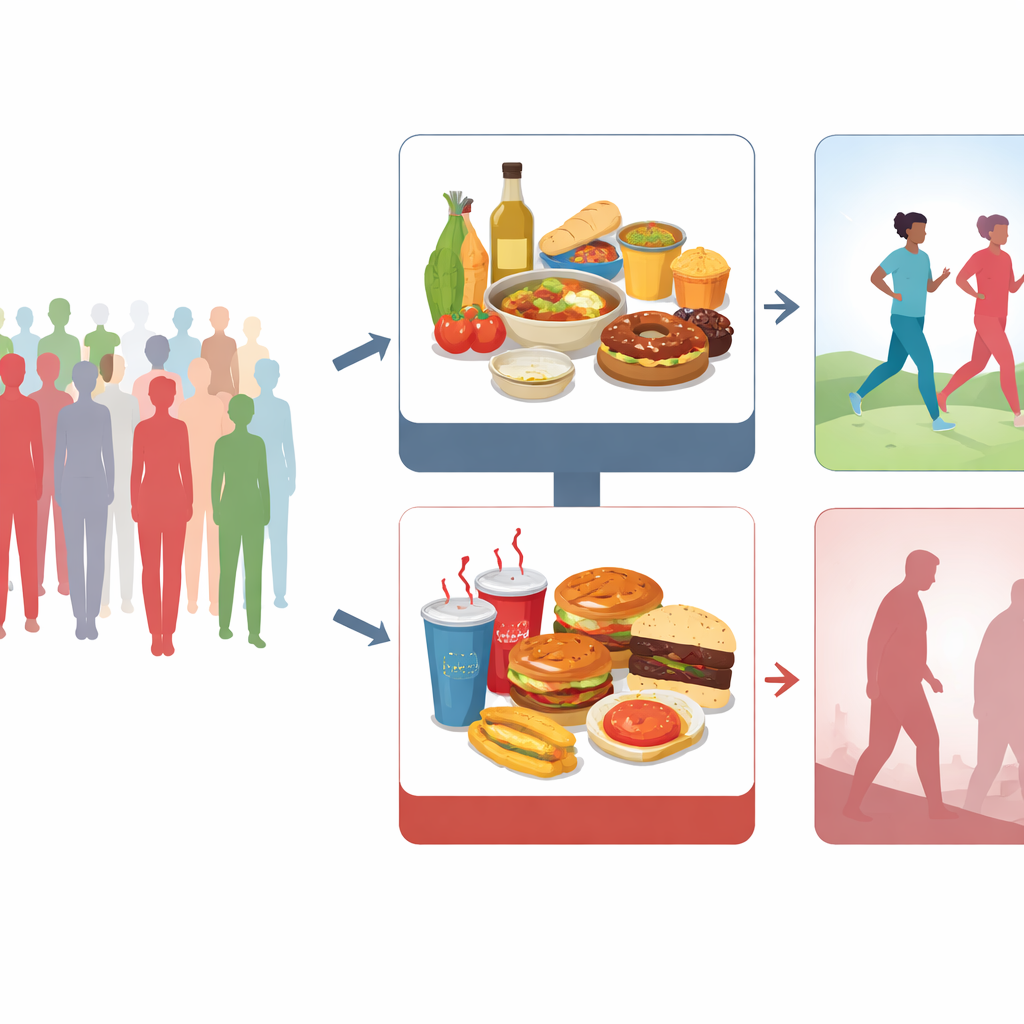
A Huge Health Study Built Around Taste
The researchers drew on the UK Biobank, a long-running health project following over half a million middle‑aged and older adults. From this pool, 177,148 participants completed an online food preference questionnaire that asked how much they liked 150 different items, ranging from vegetables and oils to alcoholic drinks and soft drinks. Instead of asking how often people ate these foods, the survey focused on how much they liked each one on a nine‑point scale. Participants were then followed for an average of 3.4 years, during which more than 3,300 deaths were recorded.
Likes, Dislikes, and the Risk of Dying
To see whether preferences were related to survival, the team grouped answers into low, medium, and high liking for 140 food items and used statistical models that accounted for age, sex, smoking, general health, education, and ethnicity. A clear pattern emerged. People who strongly liked certain foods—especially asparagus, aubergine (eggplant), broccoli, butternut squash, lentils and beans, salad leaves, spinach, plain yogurt, extra virgin olive oil, wholemeal bread, and some herbs and spices—tended to have a lower risk of death during the follow‑up. In contrast, those who strongly preferred regular sugary fizzy drinks, diet fizzy drinks, sweetened tea, cornflakes, or whole milk showed a higher risk of dying.
Checking the Findings from Every Angle
The authors tested how robust these links were by repeating the analyses in many different ways. They excluded people with serious illnesses such as cancer, heart disease, diabetes, kidney problems, or psychiatric disorders, as well as those who had recently lost weight unintentionally or who used vitamin or mineral supplements. They also adjusted for body weight and physical activity and tried slightly looser definitions of “high” and “low” preference. Across all 11 sensitivity checks, a strong liking for regular sugary fizzy drinks consistently predicted higher mortality, while liking asparagus, aubergine, black pepper, broccoli, butternut squash, and extra virgin olive oil continued to signal lower risk. Similar patterns appeared when men and women and different smoking groups were analyzed separately.
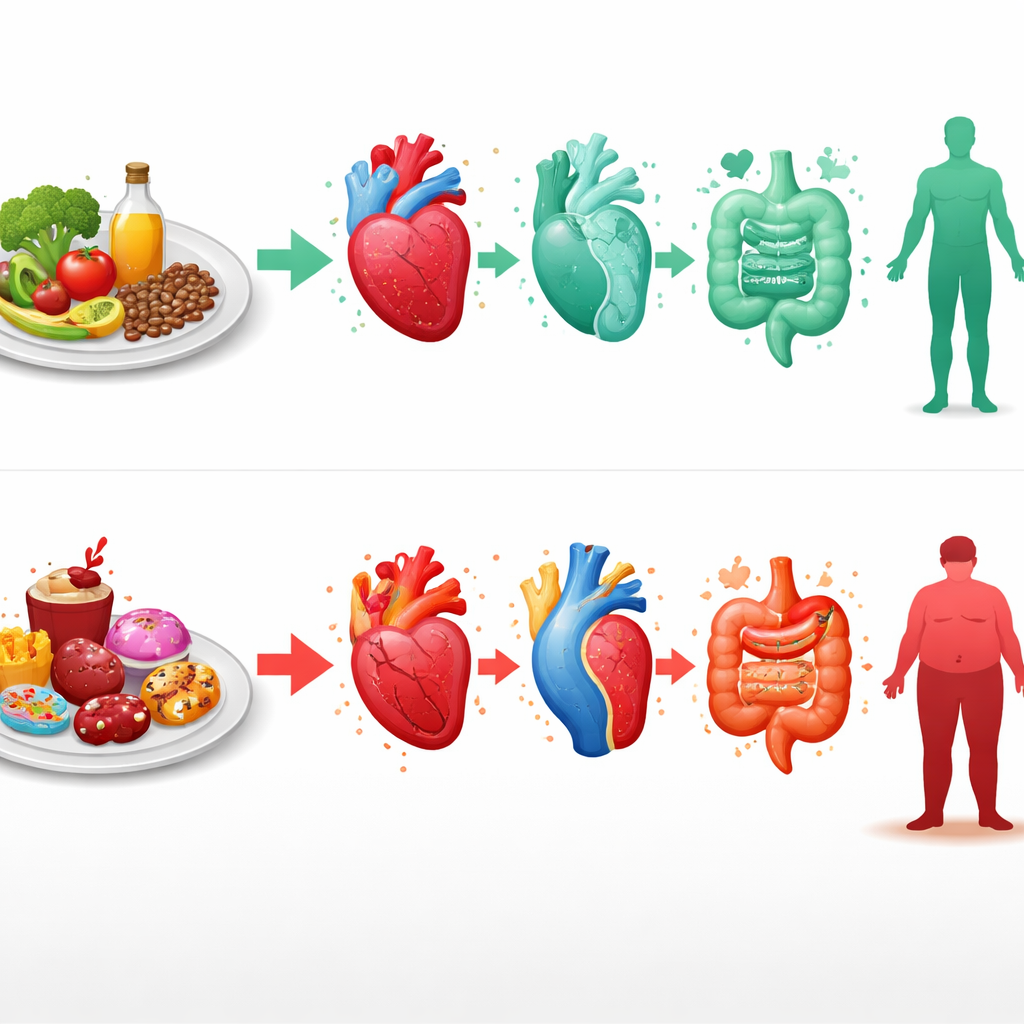
Why Taste May Track Long-Term Health
Food preferences and actual intake are not identical, but past work has shown that people tend to eat more of the foods they enjoy. In this study, the “healthier” preference profile—strong liking for fibre‑rich vegetables, pulses, whole grains, yogurt, and olive oil, and lower liking for sugary drinks—closely mirrors dietary patterns already known to protect against heart disease and premature death. Plant‑rich diets and olive oil bring fibre and bioactive compounds that can improve blood fats, blood sugar control, and inflammation. By contrast, a strong preference for sugary soft drinks likely reflects higher free‑sugar consumption, which is associated with weight gain, diabetes, heart disease, and earlier death. Because preference questions rely less on memory and social pressure than traditional food frequency surveys, they may capture habitual patterns in a simpler and less biased way.
What This Means for Everyday Choices
The study does not prove that liking certain foods directly causes people to live longer, and it cannot account for every possible difference between participants. Still, it offers strong evidence that our enduring tastes are meaningful signals of our long‑term health behaviour. In practical terms, a palate that favours vegetables, pulses, whole grains, yogurt, and extra virgin olive oil—and that is less enthusiastic about sugary fizzy drinks—tends to go along with a lower risk of dying in the near term. Short, easy‑to‑complete preference questionnaires could therefore become useful tools in health checks and digital apps, helping to flag people whose tastes put them at higher risk and guiding small, realistic shifts toward healthier likes over time.
Citation: Eichner, G., Fasshauer, M. & Schaefer, S.M. Food preferences and mortality risk in the prospective cohort of UK Biobank participants. Sci Rep 16, 12727 (2026). https://doi.org/10.1038/s41598-026-48494-3
Keywords: food preferences, diet and mortality, sugar-sweetened beverages, vegetable-rich diets, UK Biobank