Clear Sky Science · en
The effects of the menstrual cycle on physical and psychological parameters in female athletes
Why your monthly cycle matters for sport and daily life
Many active women notice that some days of the month they feel strong and energetic, while on others they feel tired, heavy, or low in mood. This study set out to carefully track those ups and downs in a group of female athletes to see how different stages of the menstrual cycle relate to strength, energy, and mood. Understanding these patterns can help athletes, coaches, and anyone who exercises adapt training and self-care instead of blaming themselves for feeling "off" on certain days.
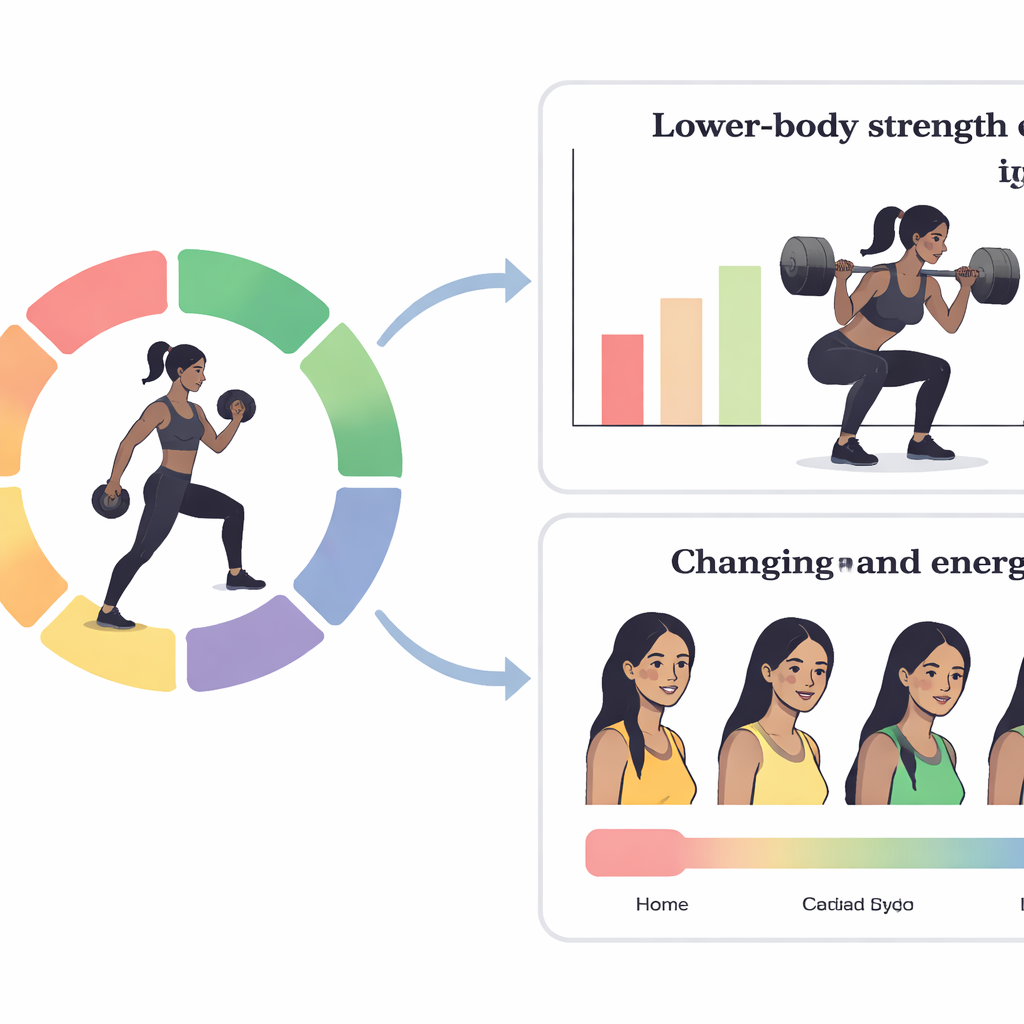
Following the same women across the whole month
The researchers worked with 18 physically active women aged 18 to 30 who trained at least three times per week in sports ranging from triathlon and gymnastics to team and strength sports. All had natural, regular menstrual cycles and were not using hormonal contraception. Instead of comparing different women to each other, the team repeatedly tested the same women six times over one full cycle. They used urine tests to pinpoint when ovulation occurred and scheduled all other sessions around this biological anchor, giving a more accurate picture than simply counting calendar days.
Testing strength, effort, sleep, and mood
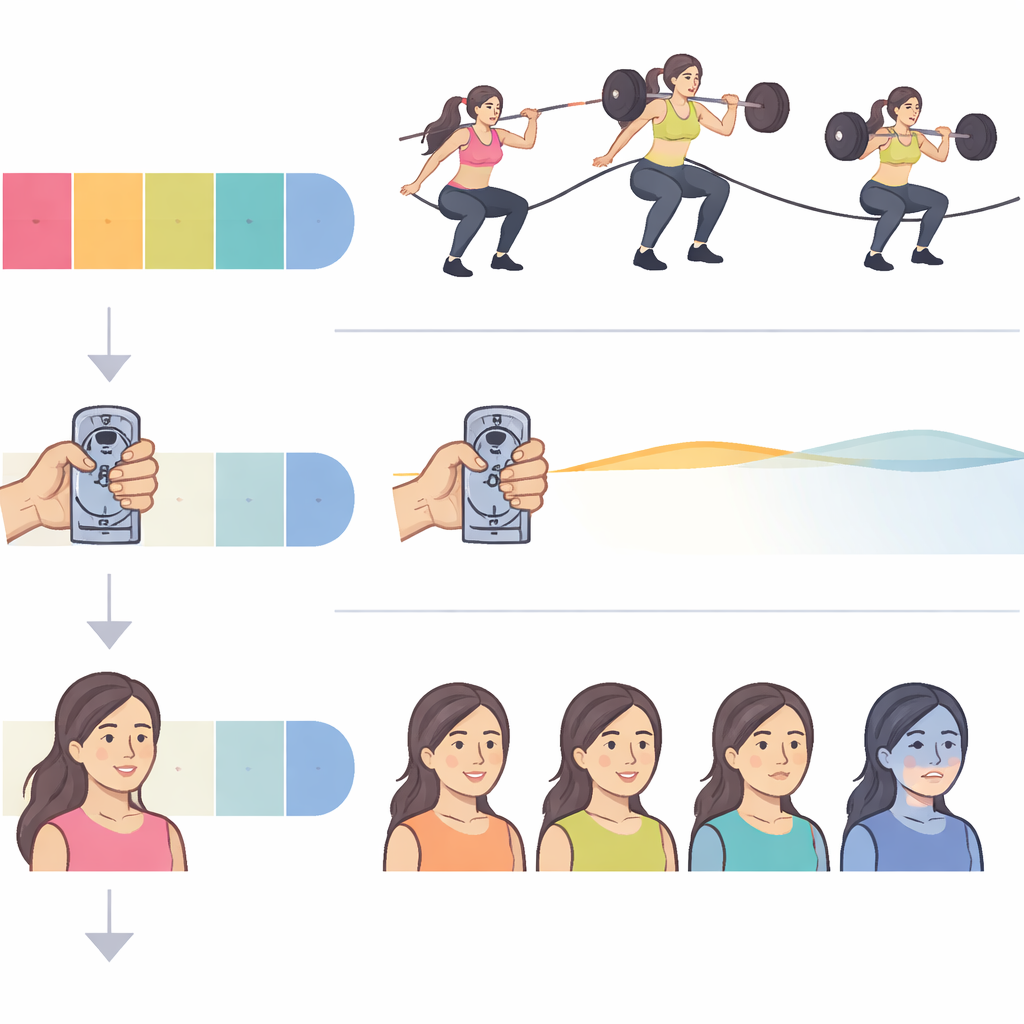
At each visit, the women completed a set of simple but carefully chosen tests. For physical performance, they performed a one‑repetition maximum half squat to assess lower‑body strength and an isometric handgrip test as a marker of general muscle function. For the mind and body side, they filled out a brief mood questionnaire that produces scores for vigor, fatigue, depression, and anger. They also rated their motivation to train, how well they had slept, and how hard the session felt. All testing took place in the afternoon under similar conditions, with standardized instructions and equipment to keep the results as comparable as possible.
When strength and mood rise and fall
The patterns that emerged were not random. Dynamic lower‑body strength in the half squat was highest in the late follicular phase and around ovulation, roughly the middle of the cycle, and lowest toward the end of the cycle in the late luteal phase. Handgrip strength told a slightly different story: it was actually strongest in the late luteal phase. Mood measures also shifted across the month. Feelings of vigor were higher earlier in the cycle, while fatigue and depression scores climbed as the late luteal phase approached. Anger stayed generally low, and motivation, sleep quality, and perceived effort did not show clear shifts from phase to phase.
Linking body power with emotional state
When the researchers looked at average values for each woman, they found that those with higher half‑squat strength tended to report fewer depressive feelings overall. This does not prove that getting stronger directly prevents low mood, but it is in line with broader evidence that regular physical activity supports emotional well‑being. Interestingly, most other links between strength, sleep, motivation, and mood were weak or absent, suggesting that these aspects do not all move together in a simple way across the cycle.
What this means for training and everyday movement
For athletes and active women, the findings suggest that the menstrual cycle can subtly shape both physical performance and how one feels, but in patterns that differ from person to person and even from one type of strength to another. On average, explosive lower‑body strength and feelings of vigor are more likely to peak around mid‑cycle and dip before menstruation, while handgrip strength can be relatively higher late in the cycle. Rather than enforcing rigid training rules by calendar dates, the authors recommend building "cycle literacy": tracking one’s own strength, fatigue, and mood with a few simple markers and adjusting training loads accordingly. In other words, listening to your body across the month and making small, informed changes may be more helpful than trying to power through or strictly rest based on phase labels alone.
Citation: Niering, M., Schilling, V., Beurskens, R. et al. The effects of the menstrual cycle on physical and psychological parameters in female athletes. Sci Rep 16, 12034 (2026). https://doi.org/10.1038/s41598-026-47706-0
Keywords: menstrual cycle, female athletes, strength performance, mood changes, cycle-based training