Clear Sky Science · en
Autism related traits and anxiety in the general population are linked through intolerance of uncertainty and affect labeling
Why naming feelings matters
Many autistic people live with high levels of anxiety, and their intense discomfort with uncertainty can make everyday life feel exhausting. This study asks a simple but important question: can the act of putting feelings into words help ease that anxiety, even when doing so is hard? By looking at adults in the general population who vary in autistic traits, the researchers explore how a fear of the unknown and the habit of naming emotions are linked to anxiety.
Autism, worry, and not knowing what will happen
Autism is commonly associated with social and communication differences, but anxiety is also strikingly common. One factor that seems especially important is intolerance of uncertainty, or the tendency to react strongly when things are unpredictable. Earlier work has shown that people with more autistic traits often have more difficulty tolerating uncertainty, and that this in turn is connected to greater anxiety. To cope, many rely on rigid routines or black and white thinking to make the world feel safer and more predictable.
Putting feelings into words as a coping tool
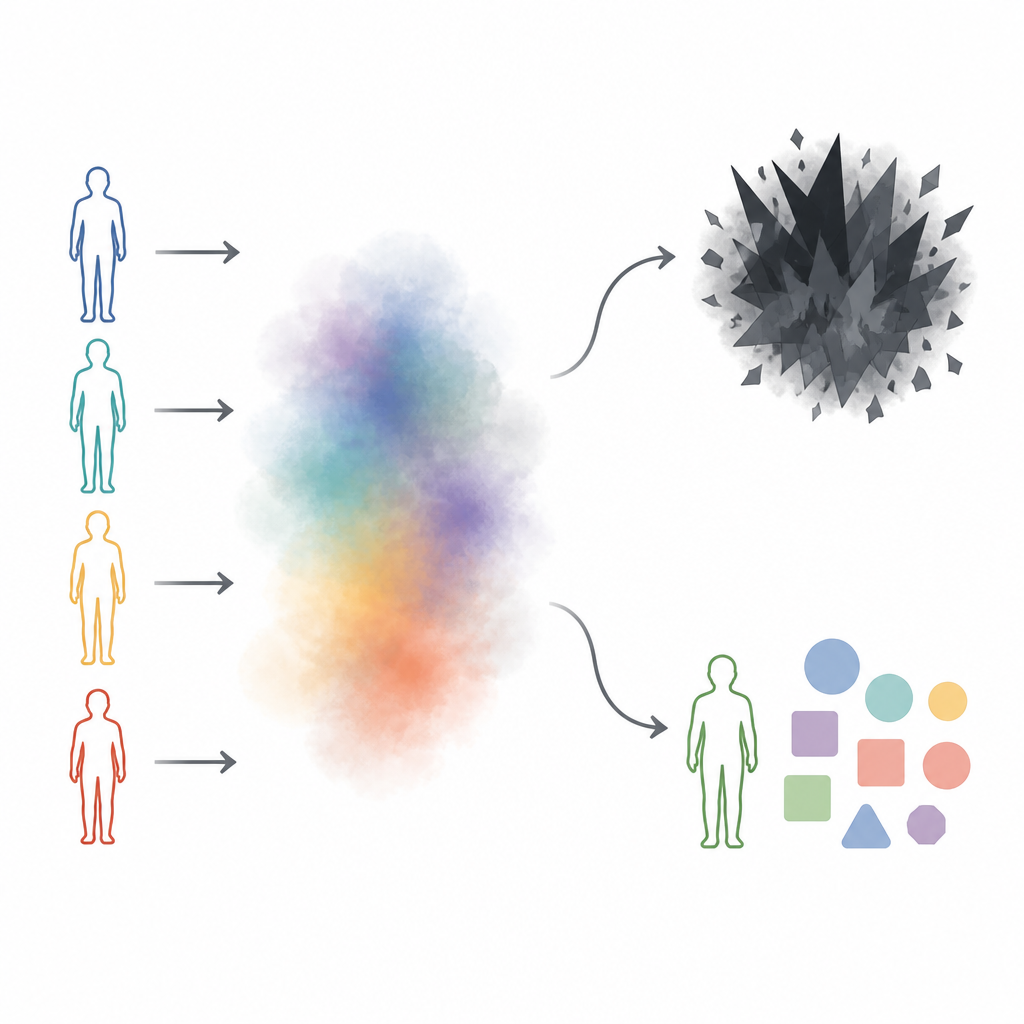
A different kind of coping tool is affect labeling, which simply means noticing and naming one’s feelings. Past studies suggest that this practice can lower anxiety, dampen the body’s stress response, and calm brain regions that react to threat and uncertainty. However, many autistic people also experience alexithymia, a difficulty in identifying and describing emotions, which can make affect labeling challenging. This sets up a puzzle: the very strategy that might help reduce uncertainty driven anxiety is often hard to use for those who might need it most.
Two possible stories about uncertainty and emotion words
The researchers tested two competing explanations using survey data from 505 Japanese adults aged 20 to 39. Participants completed questionnaires measuring autistic traits, intolerance of uncertainty, affect labeling, and anxiety. In the first explanation, called the emotion regulation deficit model, trouble with labeling feelings was expected to fuel uncertainty, which would then increase anxiety. In the second, called the cognitive motivational model, intolerance of uncertainty was treated as the starting point that could actually push people to use affect labeling more, in an effort to make vague inner sensations clearer and more manageable.
Risk and resilience in the same system
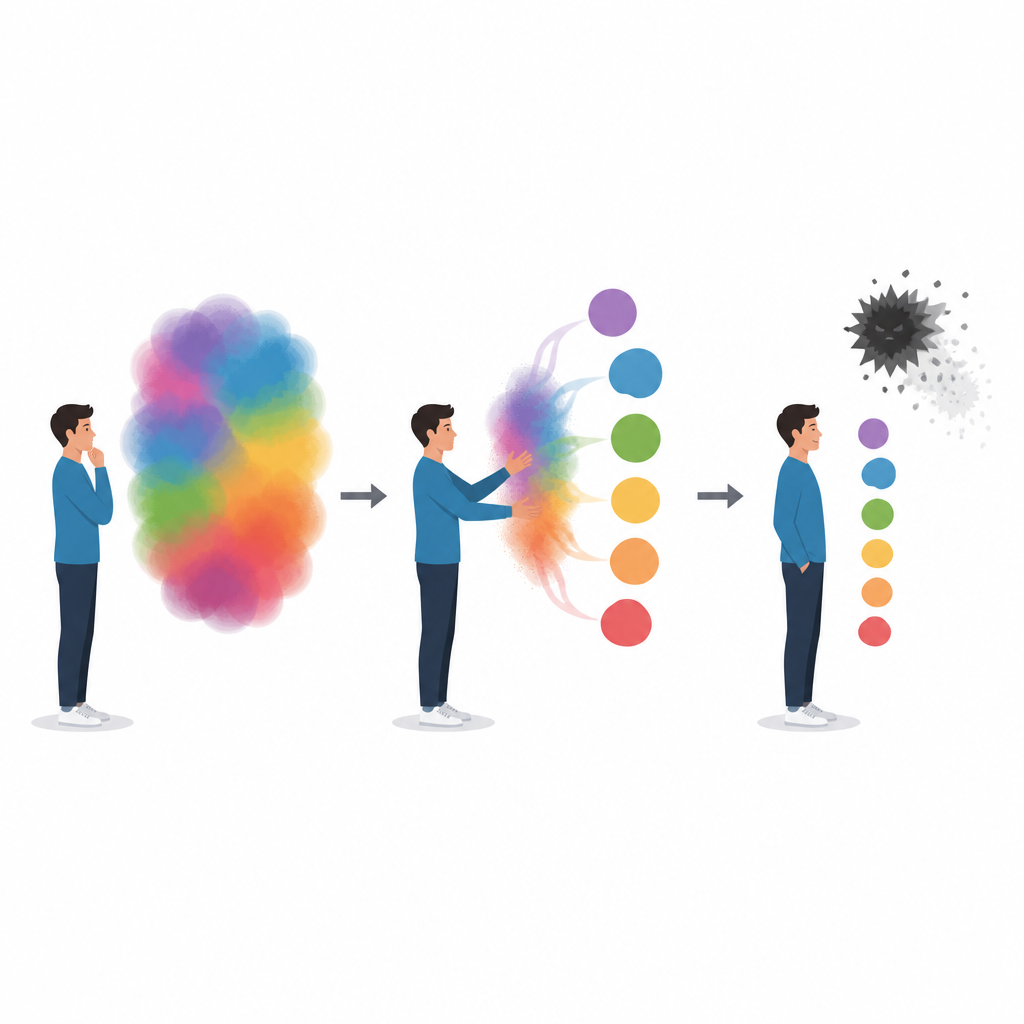
Both models fit the data statistically, but the cognitive motivational model matched existing theory better. The familiar risk story was confirmed: higher autistic traits were tied to higher intolerance of uncertainty and to weaker use of affect labeling, which together related to higher anxiety. At the same time, a more hopeful pattern emerged. People with higher autistic traits tended to have higher intolerance of uncertainty, and in some cases that discomfort appeared to encourage greater use of affect labeling, which was linked to lower anxiety. In other words, the same sensitivity to uncertainty that raises risk can also motivate a constructive coping effort.
What this means for everyday life
For a lay reader, the key message is that naming feelings is not just a soft skill but a practical tool for dealing with an unpredictable world. In people with more autistic traits, living with constant uncertainty can increase anxiety, yet it may also drive a determined effort to make sense of inner experiences through words. Because this study is based on one group of adults at a single point in time, it cannot prove cause and effect, and the findings may not directly translate to autistic individuals in clinical settings. Still, the results suggest that helping people strengthen their ability to notice and name emotions, or supporting others in labeling those feelings with them, could be a valuable way to ease anxiety rooted in the fear of the unknown.
Citation: Fujii, A., Hirai, M. Autism related traits and anxiety in the general population are linked through intolerance of uncertainty and affect labeling. Sci Rep 16, 13149 (2026). https://doi.org/10.1038/s41598-026-47237-8
Keywords: autistic traits, anxiety, intolerance of uncertainty, emotion labeling, emotion regulation