Clear Sky Science · en
Imposter syndrome as mediator and moderator between personality and mental health in Malaysian students
Why feeling like a fraud matters
Many high-achieving students quietly worry that they do not really deserve their success. This nagging self-doubt, often called “imposter feelings,” has been linked to anxiety, depression, and burnout. The study summarized here asks a simple but important question: are these feelings a key reason why certain personality types struggle more with mental health, or are they just one small piece of a larger psychological puzzle for university students in Malaysia?
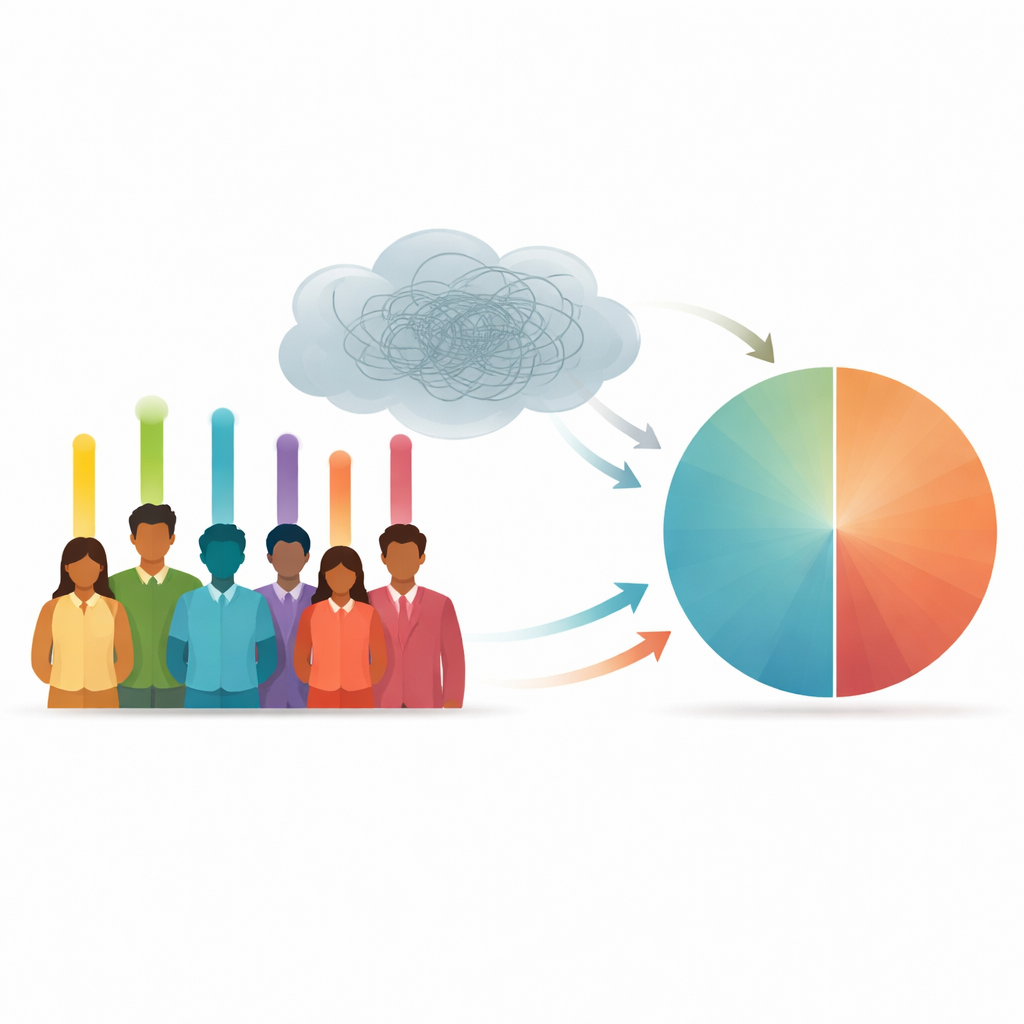
Students under pressure
University life around the world has become more stressful, and Malaysia is no exception. Students juggle exams, financial worries, family expectations, and the transition into adulthood. Decades of research show that broad personality traits – such as being more anxious and emotionally reactive, more outgoing, or more cooperative – help explain why some students cope better than others. At the same time, imposter feelings – believing your achievements are due to luck, fearing being “found out,” and discounting praise – have been tied to poorer mental health. This study brought these pieces together by asking whether imposter feelings sit in the middle of, or reshape, the link between personality and mental health problems.
How the study was done
The researchers surveyed 755 students at the University of Malaya, including both Malaysian and international students, spanning a wide age range and study levels. Students filled out questionnaires measuring the “Big Five” personality traits (openness, conscientiousness, extraversion, agreeableness, and neuroticism), the intensity of their imposter feelings, and different aspects of mental health such as anxiety, low mood, physical complaints, and trouble with everyday functioning. Using a statistical approach called structural equation modeling, the team tested two sets of models side by side: one in which imposter feelings acted as a middle link (a mechanism) between personality and mental health, and another in which imposter feelings changed the strength of those links (a contextual factor).
What the results revealed
Across all the traits, one stood out clearly: students higher in neuroticism – those who tend to worry more, react strongly to stress, and think more negatively about themselves – experienced more mental health problems. Extraverted students showed a slight advantage, with fewer problems on average, while the other traits played much smaller roles. Imposter feelings were most common among students high in neuroticism and slightly less common among those who were more agreeable and cooperative. Students with stronger imposter feelings also reported somewhat worse mental health overall, even after accounting for personality.
Is imposter syndrome the missing link?
When the team tested imposter feelings as a mechanism, they found that these feelings carried part of the effect of neuroticism on mental health: students who were more emotionally fragile tended to feel more like imposters, which in turn was linked to greater distress. There was also a weaker, protective pathway for agreeableness: more agreeable students tended to have fewer imposter feelings and, in turn, slightly better mental health. However, these indirect effects were small, and no meaningful indirect paths emerged for openness, conscientiousness, or extraversion. When imposter feelings were tested as a contextual factor, they only slightly altered how conscientiousness and neuroticism related to mental health, and those changes were again very modest.

Looking beneath the surface
Putting the findings together, the authors conclude that imposter syndrome is not a powerful, stand-alone driver of distress among these Malaysian students. Instead, it seems to be a surface sign of deeper tendencies, especially a general vulnerability to worry and negative emotion. While feeling like a fraud is unpleasant and does relate to poorer well-being, its added impact beyond core personality traits is small. This suggests that efforts to support students may be more effective if they focus on strengthening emotion regulation, coping skills, self-compassion, and resilience, rather than targeting the “imposter” label alone. The study also highlights the importance of culture: in settings that prize modesty and meeting family expectations, imposter feelings may look and function differently than in Western samples, underscoring the need for culturally sensitive research and interventions.
Citation: Kananifar, N., Garcia, D. Imposter syndrome as mediator and moderator between personality and mental health in Malaysian students. Sci Rep 16, 11599 (2026). https://doi.org/10.1038/s41598-026-46843-w
Keywords: imposter syndrome, personality traits, student mental health, neuroticism, Malaysia