Clear Sky Science · en
Men who have sex with men newly diagnosed with HIV-1 in Portugal (2023–2024): a comparative analysis of transmission clusters between migrants and non-migrants
Why this story matters
Portugal has made major strides against HIV, yet new infections continue to appear—and, for the first time, most new cases now occur in people born outside the country. This study zooms in on men who have sex with men (MSM) newly diagnosed with HIV in Lisbon to understand who is getting infected, how the virus moves through social and sexual networks, and what this means for prevention among migrant communities.
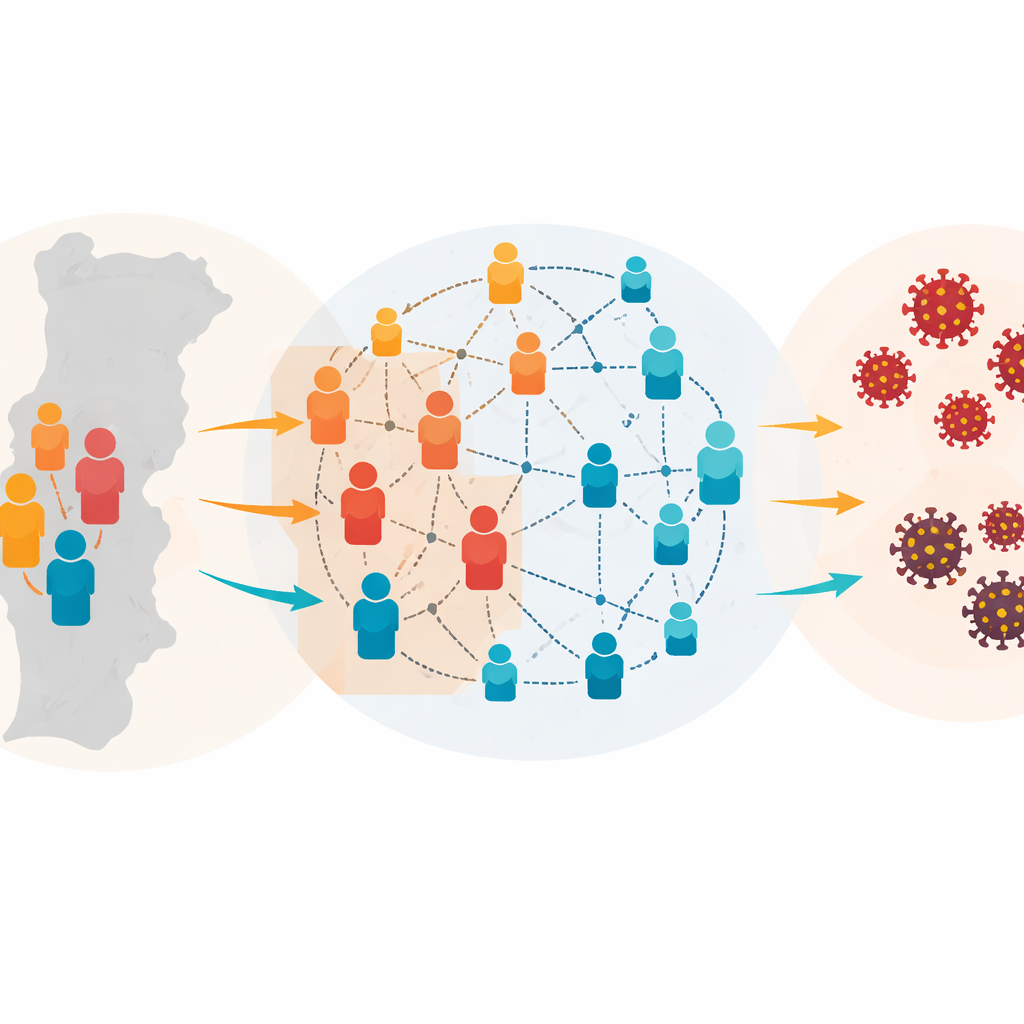
Who was included in the study
Researchers followed 60 MSM who were newly diagnosed with HIV between mid‑2023 and the end of 2024 at a community testing center in Lisbon. All were adults who had not yet started HIV treatment. Seven out of ten were migrants, mostly from Latin America, particularly Brazil. Compared with Portuguese-born men, migrant participants were more often in their late twenties and early thirties and more likely to live in Lisbon itself, reflecting broader patterns of young adults moving to European cities for work, study, or safety.
Sex lives, testing habits, and other infections
Despite differences in birthplace, the sexual behavior of migrant and non‑migrant men looked strikingly similar. Nearly everyone reported anal sex without condoms in the past year, often with multiple partners and frequent use of dating apps. More than half had previously been diagnosed with another sexually transmitted infection, especially syphilis and gonorrhea, underlining how easily infections circulate in these networks. Yet routine prevention tools were underused: only about one in eight men had ever taken pre‑exposure prophylaxis (PrEP), the daily or on‑demand pill that can almost completely prevent HIV, and many were not testing for HIV as often as guidelines recommend.
What the virus’s genetic code reveals
Beyond questionnaires, the team analyzed the virus itself. By reading key parts of each person’s HIV genetic code, they could determine the viral “family” (subtype) and look for mutations that make standard drugs less effective. Most men had a recent infection, meaning they had tested negative within the previous year or showed signs of very early HIV. Migrant men were much more likely to carry the classic European subtype B virus than non‑migrants, whose infections came from a wider mix of global strains. About 15 percent of all participants carried virus with mutations linked to drug resistance, mainly affecting older drug classes rather than today’s preferred first‑line treatments.
Hidden webs of connection
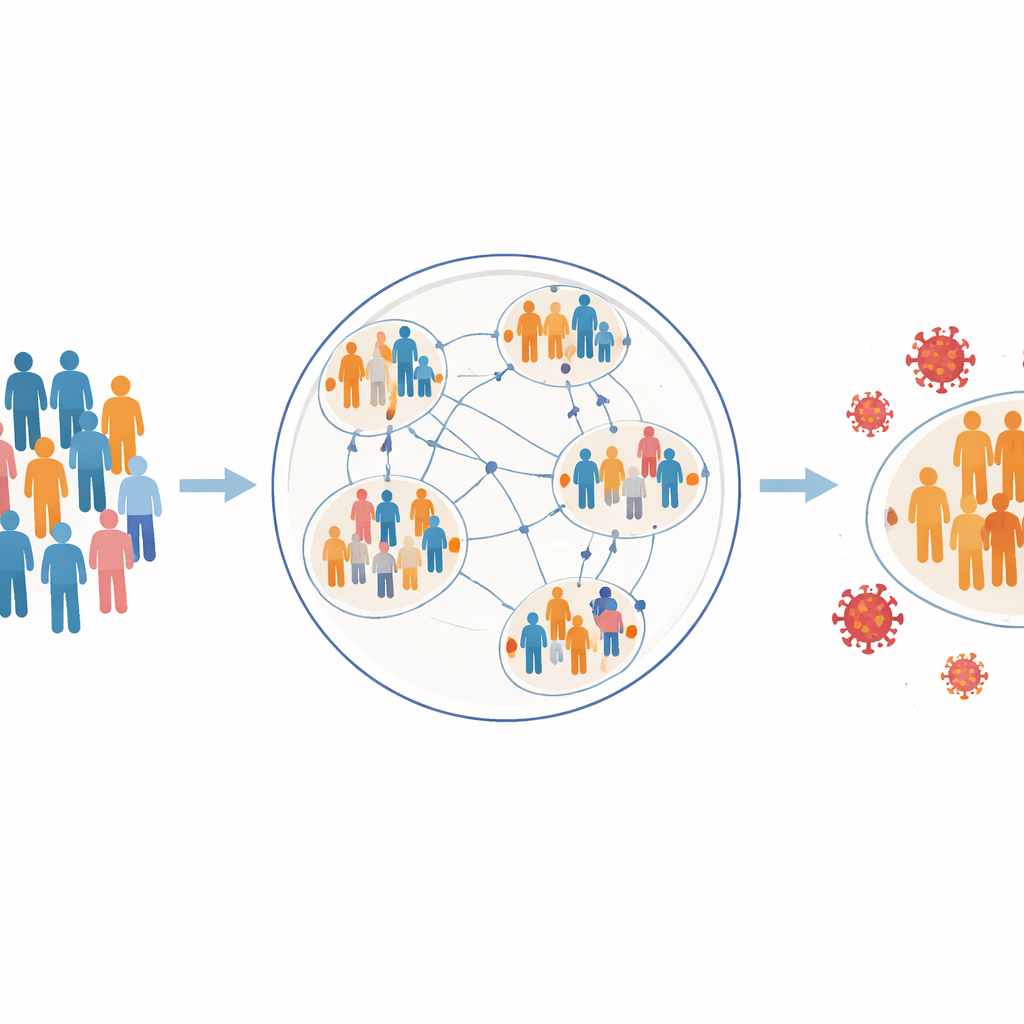
The most revealing part of the work came from “transmission cluster” analysis, which uses small differences in viral genetic code as a kind of timestamp to infer which infections are closely linked. When the researchers compared the Lisbon sequences with tens of thousands from Europe, Latin America and Africa, they found that many participants’ viruses sat inside tight clusters. Migrant men in these clusters were usually grouped with other migrants, often in networks that also included sequences from outside Portugal, suggesting that their sexual connections stretch across borders. Portuguese-born men, by contrast, were more often found in mixed clusters that included both migrants and non‑migrants as well as international sequences. Notably, every clustered case of drug‑resistant virus in this sample occurred among migrant men, hinting that resistant strains are circulating within migrant‑focused networks.
What this means for prevention
Taken together, the study paints a picture of a rapidly changing HIV landscape in Portugal. Among MSM tested at this Lisbon community center, migrants now account for the majority of new HIV diagnoses and tend to be connected in dense sexual networks with other migrants, often linked to their countries of origin. At the same time, risk behaviors, testing patterns, and overall rates of drug resistance are similar for migrants and non‑migrants. For a layperson, the key message is clear: the virus is following social ties, and those ties increasingly connect migrant communities across borders. To curb new infections, the authors argue that Portugal must make it much easier for migrant MSM to access frequent HIV and STI testing, culturally tailored counseling, and affordable PrEP, regardless of immigration status. By meeting migrant communities where they are—socially, linguistically, and legally—public health programs can slow both the spread of HIV and the quiet circulation of drug‑resistant strains.
Citation: Abrantes, R., Pimentel, V., Sebastião, C.S. et al. Men who have sex with men newly diagnosed with HIV-1 in Portugal (2023–2024): a comparative analysis of transmission clusters between migrants and non-migrants. Sci Rep 16, 10911 (2026). https://doi.org/10.1038/s41598-026-45367-7
Keywords: HIV in migrants, men who have sex with men, Portugal HIV epidemiology, HIV transmission networks, HIV prevention and PrEP