Clear Sky Science · en
Physical inactivity prevalence and associated factors among iranian older adults in the 2021 STEPS survey
Why Sitting Still in Old Age Matters
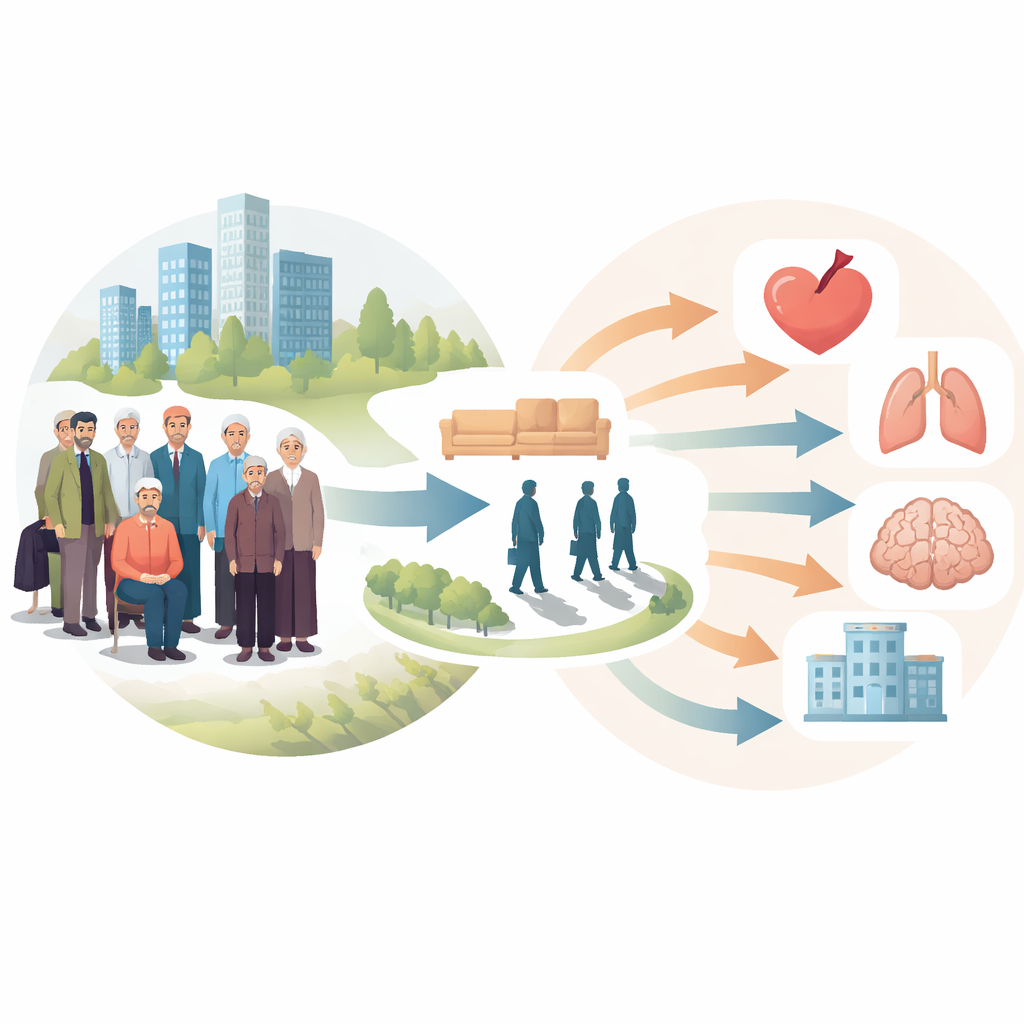
As people live longer around the world, how much they move—or do not move—has become a powerful predictor of how healthy those extra years will be. This study looks closely at older adults in Iran and asks a simple but urgent question: how many are not getting enough physical activity, and who is most at risk? The answers reveal a worrying picture, especially for women, city dwellers, and those already living with health problems, and they offer clues for how communities and health systems can help older people stay active and independent for longer.
Taking the Pulse of an Aging Nation
Researchers used data from a large national health survey carried out in Iran in 2021, focusing on 5,491 adults aged 60 and older. Trained health workers visited people in their homes, asked detailed questions about daily movement and sitting time, and measured their blood pressure, waist size, and blood sugar and cholesterol levels. They also collected information on mood, marital and work status, income and education, and whether participants lived in cities or rural areas. To judge activity levels, the team relied on a World Health Organization questionnaire that tallies up minutes spent walking, working, and exercising in a typical week and classifies people as either sufficiently active or not.
How Much Older Iranians Move—and Sit
The results show that most older Iranians are not moving enough. On average, participants were sedentary for nearly five hours a day and accumulated about 1,300 units of weekly activity—well below what would be expected in a highly active population. Nearly seven in ten older adults fell into the “inactive” category, meaning they did not reach even the modest target set by global guidelines. Women were particularly affected: more than three out of four older women were inactive, compared with about three out of five men. The oldest participants, those aged 80 and above, had the highest rates of inactivity, with roughly four out of five in this age group falling short of recommended movement.
Where You Live and How You Live Shape Movement
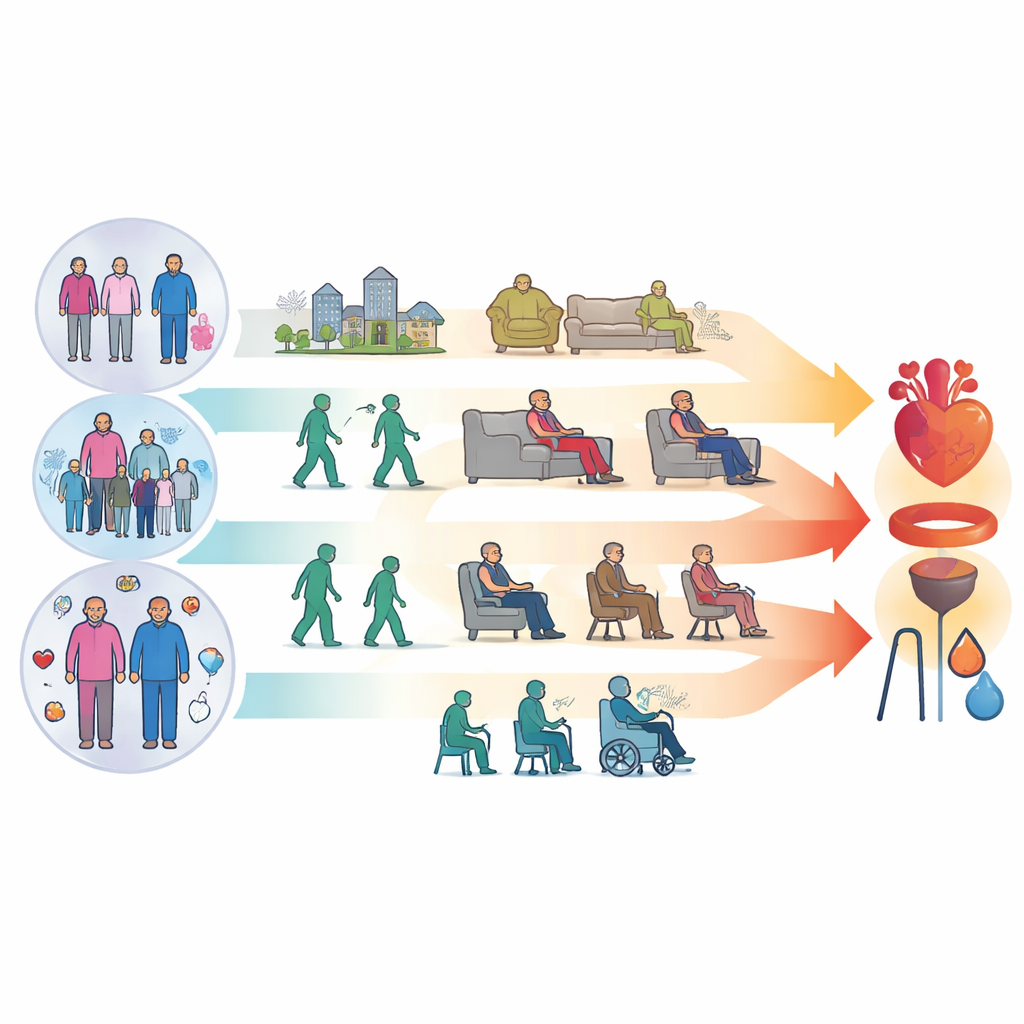
Digging deeper, the researchers found that where people lived and their life circumstances strongly influenced how active they were. Older adults in cities were more likely to be inactive than those in rural areas, even after taking other factors into account. This pattern was especially strong among women, suggesting that city life in Iran—marked by traffic, pollution, heat, and limited safe spaces for walking—may discourage movement, particularly for older women. Education appeared to help: people with at least 12 years of schooling were less likely to be inactive, perhaps because they had better access to health information or more confidence in managing their health. Employment also mattered for men; those who were no longer working were more likely to be inactive than those still engaged in paid work.
Health, Mood, and the Burden of Multiple Illnesses
Physical inactivity did not exist in isolation. Older adults with obesity were more likely to be inactive, especially women, hinting at a vicious cycle in which extra weight and reduced movement feed into one another. Mood also played a role: people who reported feeling anxious or depressed had higher odds of being inactive than those without such symptoms. Perhaps most striking was the pattern seen with long-term illnesses. The more chronic conditions—such as high blood pressure, diabetes, or heart disease—a person had, the more likely they were to be inactive. This steady rise in inactivity with each added illness suggests that health problems and low activity levels reinforce each other, making it harder for older adults to break free from sedentary routines.
What These Findings Mean for Healthy Aging
To a lay reader, the study’s message is clear: in Iran, many older people are not moving enough, and this shortfall is especially severe among women, the very old, city residents, and those already facing obesity, low mood, or several chronic diseases. Because regular movement—even gentle walking or light chores—can prevent or delay many age-related illnesses, the authors argue for targeted action. They recommend programs designed with gender in mind, such as safe, supervised group activities for women; guidance on movement built into routine primary care visits; and city planning that makes walking and active transport easier and more appealing. By understanding who is most at risk of inactivity and why, Iran—and countries facing similar challenges—can design smarter, more inclusive strategies to help older adults stay active, independent, and healthier for longer.
Citation: Khezrpour, A., Sarrafzadeh, S., Ebrahimpur, M. et al. Physical inactivity prevalence and associated factors among iranian older adults in the 2021 STEPS survey. Sci Rep 16, 12296 (2026). https://doi.org/10.1038/s41598-026-42828-x
Keywords: older adults, physical inactivity, healthy aging, urban lifestyle, chronic disease