Clear Sky Science · en
Perceptions of a healthy diet among Hungarian Roma align with dietary guidelines and are primarily associated with self-perceived eating habits
Why this study matters
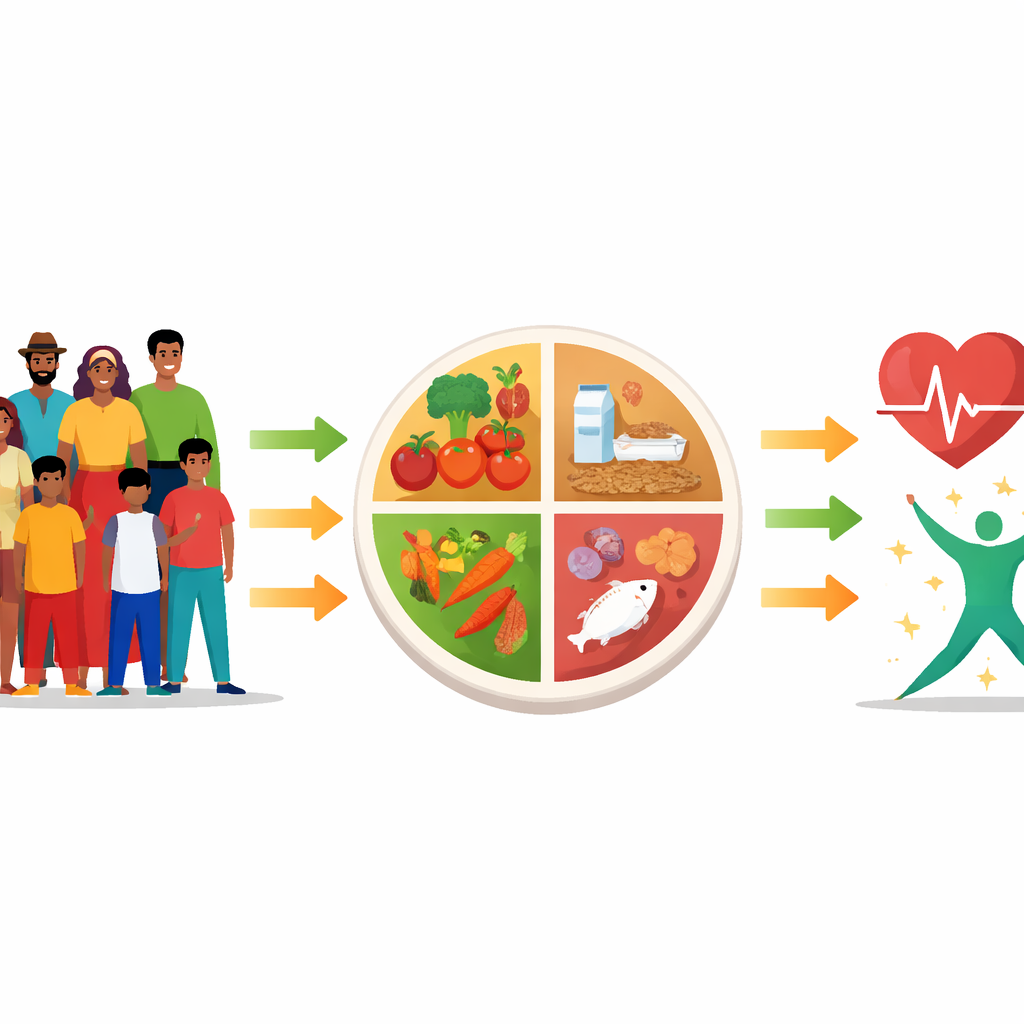
What people believe counts as “healthy eating” shapes the food they buy, cook, and share. For Hungary’s Roma communities—who face higher rates of obesity, heart disease, and diabetes—these beliefs are especially important. This study asks a simple but powerful question: when Roma adults describe a healthy diet, how close is their picture to what nutrition experts recommend, and what influences those views?
Looking closely at one community
The researchers spoke by phone with 300 Roma adults across Hungary between late 2023 and early 2024. The sample reflected the Roma population in terms of age, sex, and where people live in the country. Interviews lasted about half an hour and covered how participants define healthy eating, what foods their households usually have, their own height and weight, and background details such as income, education, and work. People also answered a set of standard statements about diet on a rating scale, which was turned into a “perception of healthy diet” score.
What people say healthy eating looks like
When asked in their own words, most participants painted a picture of healthy eating that would look familiar to any public health campaign. Many emphasized eating plenty of fruits and vegetables, choosing whole grains, and preferring fresh, natural, and even homegrown foods over processed ones. They often mentioned balance and variety, moderation, and the idea that what you eat should help prevent illness and support long life. Some highlighted limiting sweets, sugary drinks, and fatty or highly processed foods. At the same time, many saw regular meat—especially poultry and other “white” meats—as a core part of a healthy diet, reflecting deep-rooted culinary traditions.
How closely beliefs match expert advice
On the structured questionnaire, answers again generally aligned with national and international dietary guidelines. Most respondents strongly agreed that a healthy diet should be balanced and varied, rich in fruits and vegetables, based on fresh and natural foods, and important for maintaining good health. There was more uncertainty around topics such as cutting back on carbohydrates, sugar, and fat, or how much tradition should shape daily eating. Still, when the researchers calculated overall scores, the vast majority of participants fell into ranges that indicate at least partial agreement with expert definitions of a healthy diet.
Who thinks this way—and what does not seem to matter
The team then tested whether these perceptions differed by age, sex, education, income, place of residence, body weight, or the variety of foods households could afford. Women scored slightly higher than men on healthy-diet beliefs, and older adults tended to score higher than middle-aged participants. But beyond these modest differences, there were no clear gaps by education level, work status, where people lived, overall economic position, or even body mass index. Instead, the strongest link was psychological: people who felt their own eating patterns were healthy also tended to express more guideline-like views of what a healthy diet is.
Beliefs versus everyday plates
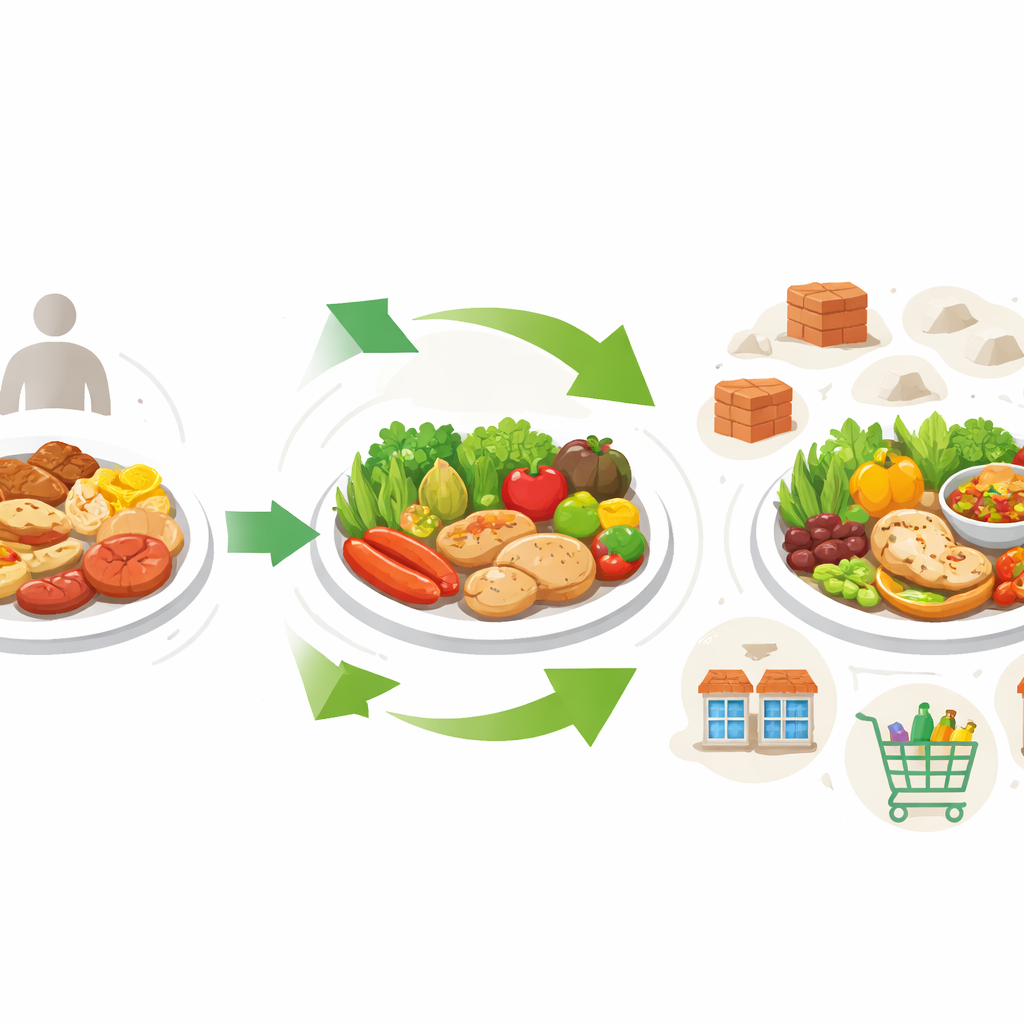
Earlier research shows that many Roma communities in Hungary and elsewhere still eat fewer fruits, vegetables, and whole grains, and more animal fat, sugar, and salt than recommended. This study therefore highlights a striking mismatch: people often know and can describe what a healthy diet should look like, yet their actual meals do not fully reflect that knowledge. Cultural meanings of food—such as meat as a symbol of care, generosity, or status—along with taste preferences and the types of affordable foods that are readily available may pull daily choices away from the ideal.
What the findings mean for health
For health planners and community groups, the message is both hopeful and challenging. The hopeful part is that beliefs about healthy eating among Hungarian Roma are not generally distorted or out of step with expert advice; many people already see value in vegetables, fruits, whole grains, and fresh foods. The challenging part is that simply repeating nutrition slogans is unlikely to change behavior, because the main obstacles are not misunderstanding or lack of interest. Instead, the authors argue, effective programs must work with Roma families and communities to respect cultural traditions while gently reshaping recipes, portions, and shopping patterns—especially by supporting the women who usually cook. In plain terms, Roma adults mostly know what healthy eating is; the next step is helping make that vision easier, affordable, and culturally comfortable to put on the table every day.
Citation: Kiss, A., Unger-Plasek, B., Lakner, Z. et al. Perceptions of a healthy diet among Hungarian Roma align with dietary guidelines and are primarily associated with self-perceived eating habits. Sci Rep 16, 12784 (2026). https://doi.org/10.1038/s41598-026-42171-1
Keywords: Roma health, healthy eating, diet perceptions, nutrition inequality, culturally sensitive care