Clear Sky Science · en
A multi-state cross-sectional assessment of essential medicine availability in Sudan during armed conflict
Why this crisis matters to everyday life
Imagine living with diabetes, high blood pressure, or asthma and suddenly finding that the local pharmacy no longer has your medicine, or that the price has tripled. This is the reality for many people in Sudan since a major armed conflict erupted in 2023. The study described in this article looks closely at how the fighting has disrupted the flow of essential medicines to ordinary communities, revealing a quiet but deadly side of war: when pills, insulin, and inhalers simply do not reach the people who need them to stay alive.
Taking the pulse of pharmacy shelves
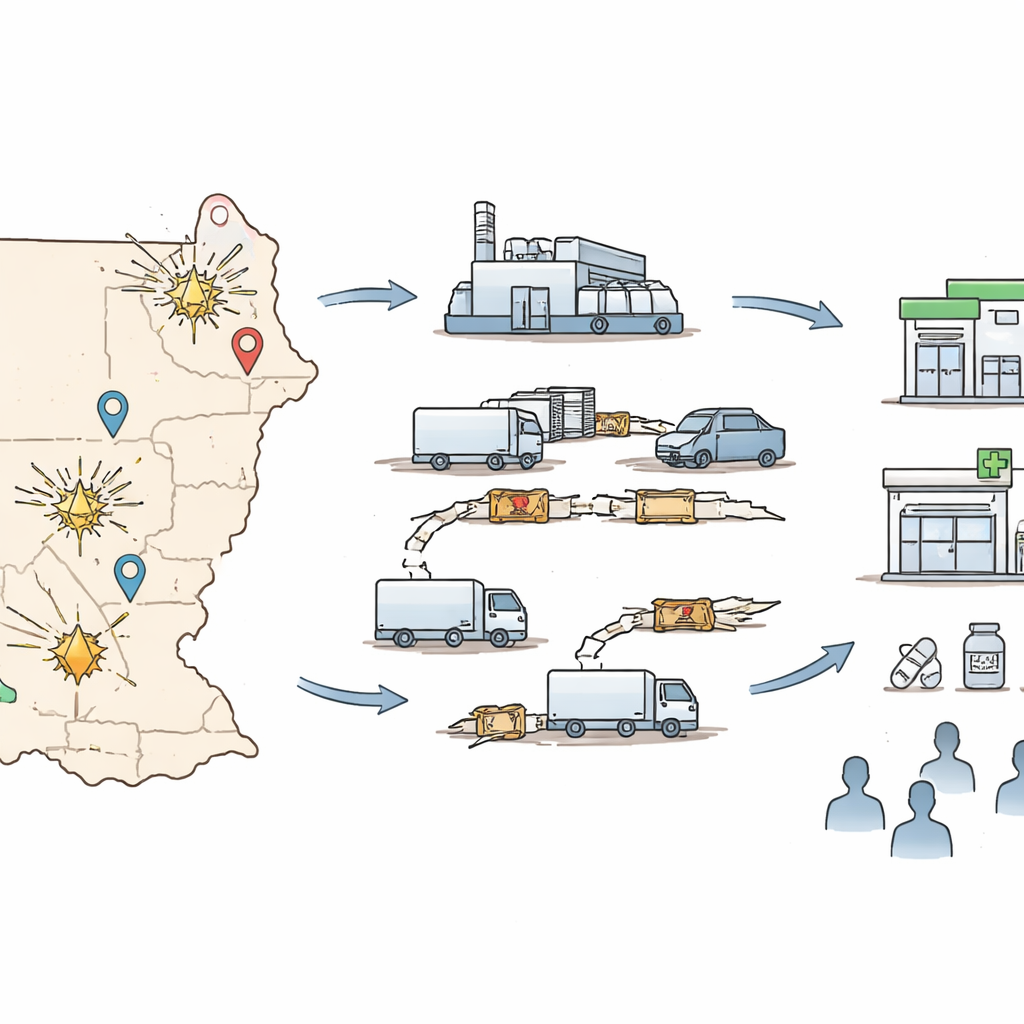
The researchers set out to measure how easy or difficult it had become to find key medicines in everyday community pharmacies, the places where most Sudanese people actually obtain their treatments. They focused on four states in different parts of the country—Aljazeera, Northern, White Nile, and Red Sea—to capture a mix of heavily and less heavily affected areas. Between late 2024 and mid-2025, they surveyed 118 pharmacies, most of them privately owned but some run by the public sector. Using a standardized World Health Organization checklist of 50 widely used drugs, from painkillers and antibiotics to heart and diabetes medicines, they asked pharmacists which products were on the shelf and what problems they faced in keeping them there.
From one main source to a patchwork of fragile routes
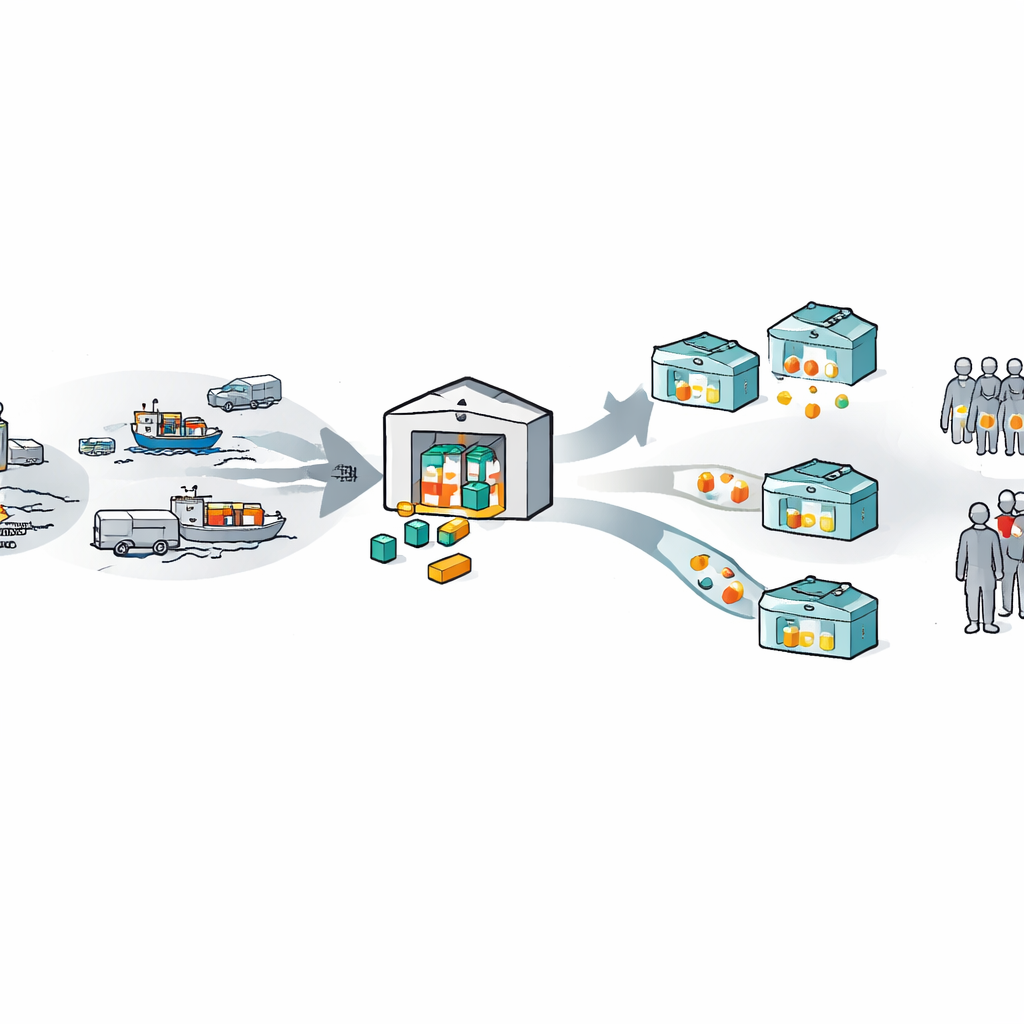
Before the conflict, many pharmacies relied heavily on Khartoum, the capital, as their central hub for supplies. Once fighting intensified, that hub effectively broke apart. Deliveries from Khartoum collapsed, and pharmacies had to scramble for alternatives, turning to local suppliers, other states, and even small amounts of medicine from outside the country. This sudden shift created a fragile, improvised patchwork of supply routes. Pharmacies reported that their main difficulties were soaring prices, unreliable deliveries, and the shutdown of local drug factories. Almost all of them said that getting medicines had become harder, and nearly every pharmacy reported sharp price hikes that made treatments harder for patients to afford.
Which medicines went missing first
Not all medicines were affected equally. Common treatments for short-term problems—such as paracetamol for pain or some antibiotics—remained relatively available in most pharmacies. In contrast, drugs needed every day for long-term conditions were often missing. Insulin for people with diabetes, medicines for high blood pressure, epilepsy drugs, and some asthma treatments were among the least available items. In some cases, fewer than one in eight pharmacies had insulin in stock. These shortages are especially dangerous because stopping such medicines even for a short time can quickly lead to life-threatening complications, hospitalizations, or death.
Unequal impact across regions and pharmacy types
The study also found that the crisis is not evenly spread. Public pharmacies, when they were open, generally carried a slightly wider range of critical medicines than private pharmacies. However, public outlets were far fewer in number and more likely to have been closed or damaged, leaving most people dependent on private shops with thinner stocks. Between states, Northern State fared noticeably better than Aljazeera and Red Sea, suggesting that differences in conflict intensity, transport routes, and local organization can strongly shape who still has access to medicines and who does not.
What this means for people and policy
For ordinary Sudanese, the findings translate into empty blister packs, delayed treatments, and rising risk of preventable illness and death. When long-term medicines disappear or become unaffordable, silent health emergencies unfold in homes and clinics, even far from the front lines. The authors argue that any meaningful humanitarian response must treat medicine access as a core priority, not an afterthought. They call for protected supply corridors, support to restart local factories, and tailored strategies for different regions. In simple terms, their conclusion is that saving lives in this conflict is not only about treating war injuries—it also depends on restoring a steady, affordable flow of everyday medicines that keep chronic diseases under control and routine illnesses from turning deadly.
Citation: Ahmed, N., Zamel, A.M.A., Ahmed, S.G. et al. A multi-state cross-sectional assessment of essential medicine availability in Sudan during armed conflict. Sci Rep 16, 12301 (2026). https://doi.org/10.1038/s41598-026-41811-w
Keywords: essential medicines, Sudan conflict, pharmacy access, drug shortages, humanitarian health