Clear Sky Science · en
Mpox in people living with and without HIV, including people on PrEP, during a multistate outbreak in Spain in 2022
Why this outbreak matters
In 2022, Spain became one of the countries hardest hit by a global outbreak of mpox, a viral disease that causes fever and painful skin rashes. Many of the early cases occurred among men who also live with HIV or who take medicines to prevent HIV, known as PrEP. This study asks a question that worries both doctors and patients: when mpox strikes, do people with HIV get sicker than others, and how does risk differ for men using or not using PrEP?
Who was studied
Researchers analyzed data from 1,158 adult men with confirmed mpox across seven Spanish regions between June 2022 and January 2023. About one in three were people living with HIV, and among HIV-negative men, almost half were PrEP users. Health teams interviewed patients using a standardized questionnaire, asking about recent travel, close contacts, sexual behavior, drug use during sex (often called chemsex), and attendance at crowded events. They also recorded symptoms, need for hospital care, and how the illness evolved over time.
Different lives, different exposures
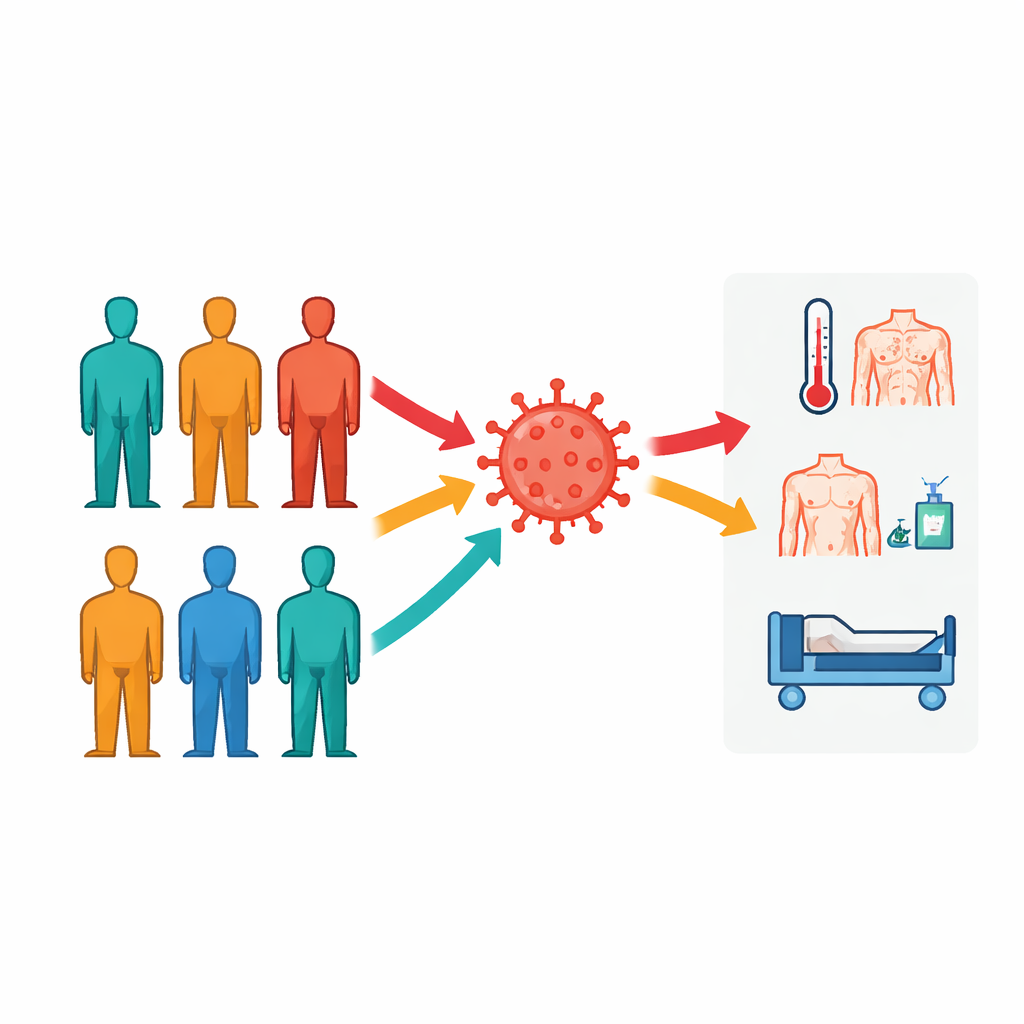
The study found clear differences in who was most exposed to mpox. Men living with HIV were more often in their late thirties to forties, more likely to have been born outside Spain, and more likely to report sex exclusively with men and participation in chemsex in the three weeks before symptoms began. HIV-negative PrEP users were usually younger and more highly educated, and they more often reported sex in leisure settings, attendance at large events, and concurrent sexually transmitted infections. Compared with HIV-negative men who did not use PrEP, both men with HIV and those on PrEP were much more likely to report sex with men and sex in party-like environments, highlighting how specific social and sexual networks shaped the outbreak.
How illness looked in each group
Despite these differences in exposure, the course of mpox was broadly similar across groups. Fever was the most common general symptom and was slightly more frequent among people living with HIV. Men with HIV more often had rashes on body sites beyond the genitals and mouth, and they more frequently had other forms of immune compromise besides HIV. PrEP users more often reported tiredness and widespread swollen lymph nodes, while non-PrEP users more often had genital rashes and muscle pain. Importantly, no one in the study required intensive care and no deaths occurred. Hospital admissions were uncommon overall, and only slightly higher among people with HIV, likely reflecting their greater chance of having another illness affecting immunity.
What this means for risk and care
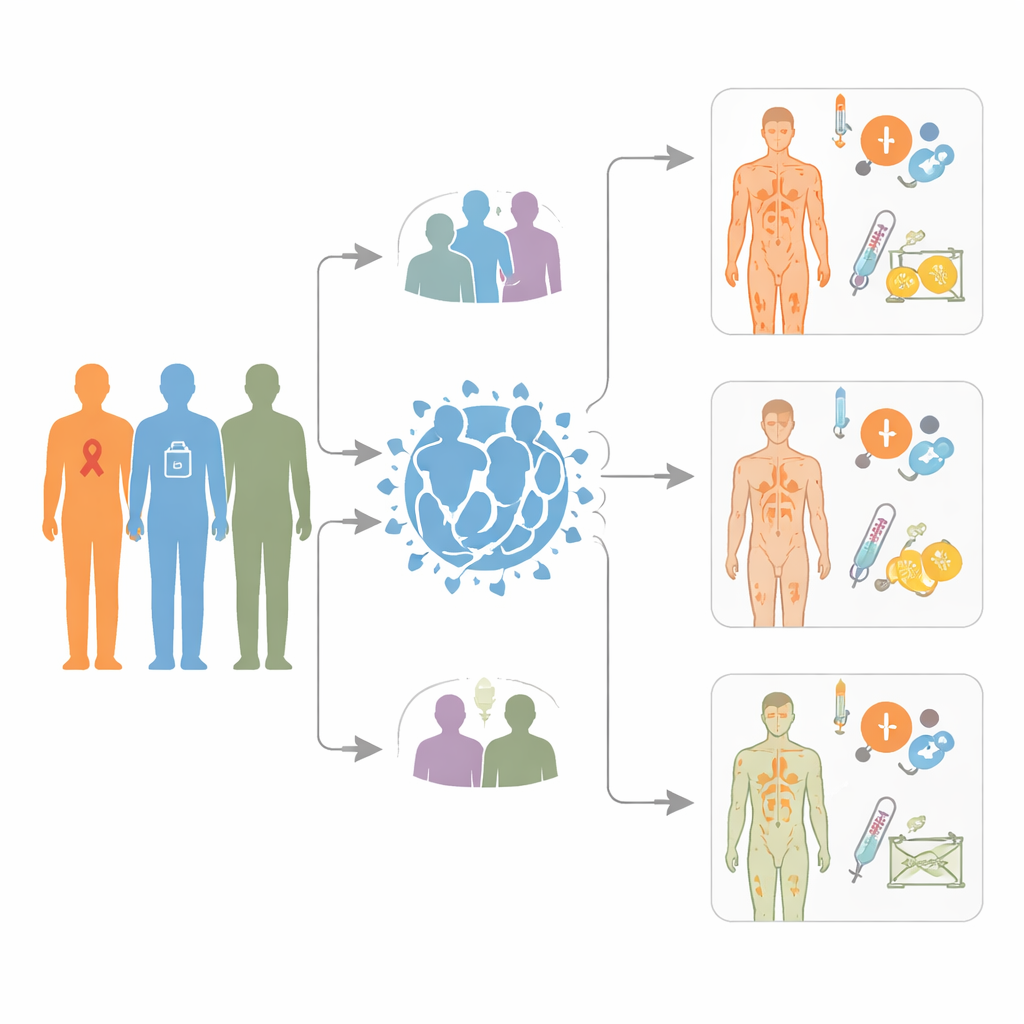
Crucially, people living with HIV in this Spanish sample did not experience more severe mpox than HIV-negative men, likely because the vast majority had access to effective HIV treatment and good health care. Instead, the biggest differences lay in who was exposed to infection and the subtle ways symptoms appeared. Men with HIV and those on PrEP shared many high-risk settings and behaviors, such as sex with men, chemsex, and sex at parties or events, while non-PrEP users were less involved in these networks. These patterns help explain why mpox clustered in particular communities rather than spreading widely through the general population.
Take-home message
For a lay reader, the key message is reassuring but clear: in a country with broad access to HIV treatment, having HIV did not make mpox dramatically more dangerous, but it did coincide with distinct exposure patterns and symptom profiles. Mpox remained a serious but generally manageable illness across all groups in this study. The authors conclude that prevention efforts should focus less on the virus alone and more on the social and sexual contexts where close contact occurs, tailoring information, vaccination, and clinical follow-up to men who have sex with men, people living with HIV, and PrEP users. In doing so, health services can better protect those at highest risk while avoiding unnecessary fear in the wider public.
Citation: March-Yagüe, A., Toledo, D., Díaz, A. et al. Mpox in people living with and without HIV, including people on PrEP, during a multistate outbreak in Spain in 2022. Sci Rep 16, 9971 (2026). https://doi.org/10.1038/s41598-026-37209-3
Keywords: mpox, HIV, PrEP, sexual health, outbreaks