Clear Sky Science · en
Knowledge and practice of surgical site infection prevention and associated factors among nurses working in public hospitals of Sodo town, Wolaita Zone, Southern Ethiopia
Why clean surgery wounds matter to everyone
Surgery can be lifesaving, but it also opens a door for germs. Infections that start in the area of an operation—called surgical site infections—can turn a routine procedure into a long, risky, and expensive hospital stay. This study from public hospitals in Sodo town, in Southern Ethiopia, looks closely at how well nurses know and use basic steps to keep surgical wounds clean, and what helps or hinders them from doing so. Understanding these everyday realities in a low‑resource setting sheds light on why preventable infections still occur around the world and what practical changes can save lives.

Hidden dangers after an operation
Surgical site infections are among the most common problems patients face after surgery. They can appear within days or weeks of an operation and are often caused by bacteria from the patient’s own skin or from the hospital environment. These infections are especially frequent in low- and middle‑income countries, where overcrowded wards, limited sterile supplies, and weak infection‑control systems are common. In Ethiopia, earlier research suggests that roughly one in eight surgical patients may develop such an infection, with even higher rates in trauma and burn units. The consequences include longer hospital stays, higher costs, more antibiotic use, and, for some patients, life‑threatening complications.
The central role of nurses in stopping infections
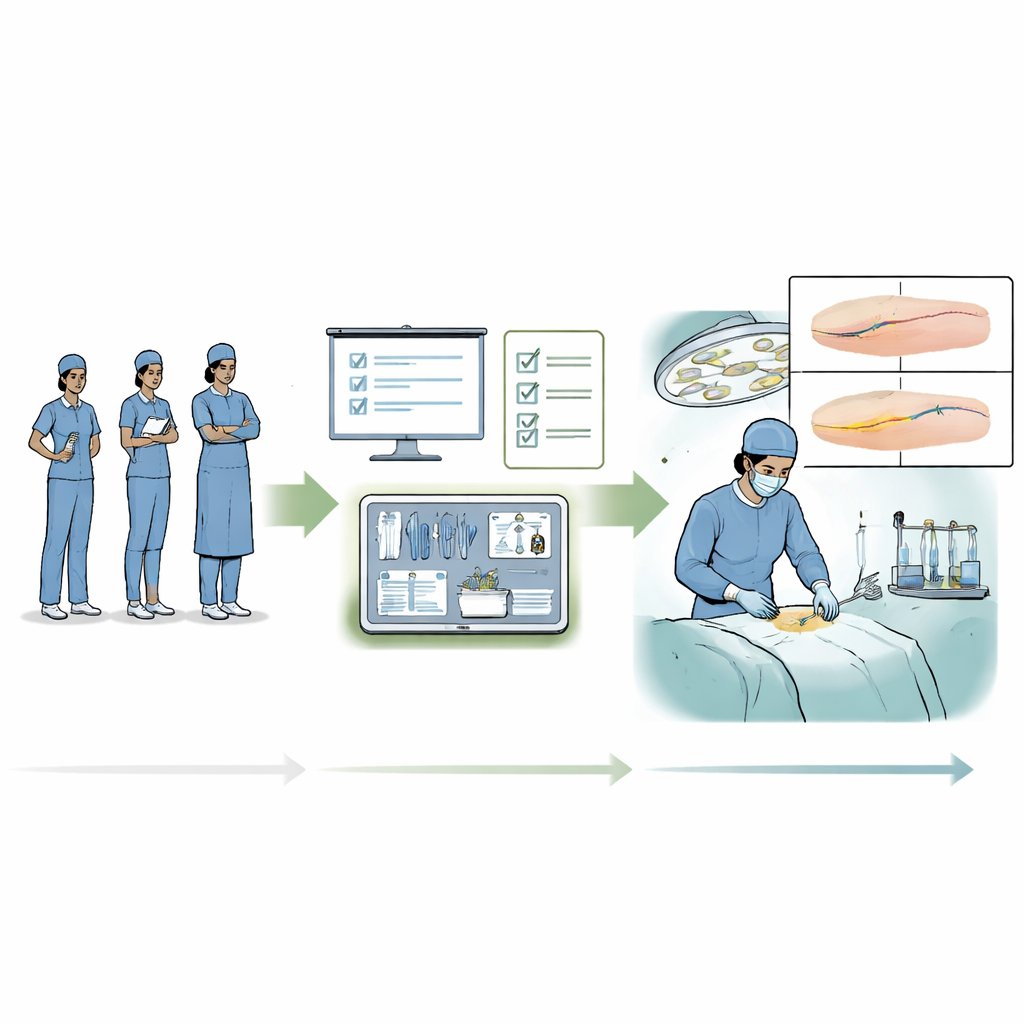
Because nurses are at the bedside before, during, and after surgery, their day‑to‑day actions are critical for preventing wound infections. They prepare patients’ skin, manage sterile instruments, give preventive antibiotics, and monitor wounds as they heal. The researchers set out to measure how much nurses in Sodo’s public hospitals know about infection prevention and how often they report using recommended practices. They surveyed 405 nurses working in surgical wards, recovery rooms, operating rooms, and related units using a detailed questionnaire about knowledge, routine habits, and working conditions.
What the survey revealed about knowledge and habits
The results showed a mixed picture. Just over half of the nurses—about 55%—reached the study’s threshold for adequate knowledge of how to prevent surgical wound infections, and only 52% reported following good preventive practices in their daily work. In other words, nearly half lacked key information or did not consistently apply it. Many nurses had never received formal training on infection prevention; fewer than half reported such training. While most hospitals had written guidelines, surveillance systems to track infections and performance‑monitoring systems were often weak or absent, and about four in ten nurses reported shortages of essential equipment such as protective gear and sterilization supplies.
Experience, training, and tools make a difference
The study also examined which factors made nurses more likely to have strong knowledge and good habits. Work experience stood out: nurses who had worked more than five years were several times more likely to know prevention measures well and to report using them consistently than those with less than two years on the job. Training made a powerful difference too. Nurses who had attended courses on surgical infection prevention were roughly three to four times more likely to have good knowledge and to follow recommended practices. Access to adequate equipment was linked to better knowledge, and nurses who understood infection prevention well were about twice as likely to report good practice, suggesting that information, hands‑on resources, and daily behavior reinforce one another.
What these findings mean for patients
For patients and families, the message is both sobering and hopeful. Many surgical patients in this setting are cared for by dedicated nurses who still lack the training, tools, and system support needed to fully protect them from preventable infections. The authors conclude that hospitals should invest in regular, practical training for nurses, make sure vital supplies and clear guidelines are always available, and strengthen supervision and monitoring so that good habits become routine. If these steps are taken, a large share of surgical site infections—many of which are currently accepted as bad luck—could be avoided, leading to safer surgery, shorter hospital stays, and better outcomes for patients.
Citation: Tura, T.S., Ayalew, T.L. Knowledge and practice of surgical site infection prevention and associated factors among nurses working in public hospitals of Sodo town, Wolaita Zone, Southern Ethiopia. Sci Rep 16, 13362 (2026). https://doi.org/10.1038/s41598-026-35332-9
Keywords: surgical site infection, infection prevention, nursing practice, Ethiopia hospitals, patient safety