Clear Sky Science · en
Reading ability conflates SES creativity gaps
Why this question about creativity matters
Across schools and workplaces, people often assume that students from wealthier families are more creative than those from poorer backgrounds. After all, international tests like PISA report big creativity gaps between rich and poor students and between rich and poor countries. This study asks a simple but powerful question: are these creativity gaps real, or are they partly an illusion created by how we test creativity in the first place?
How reading can hide real talent
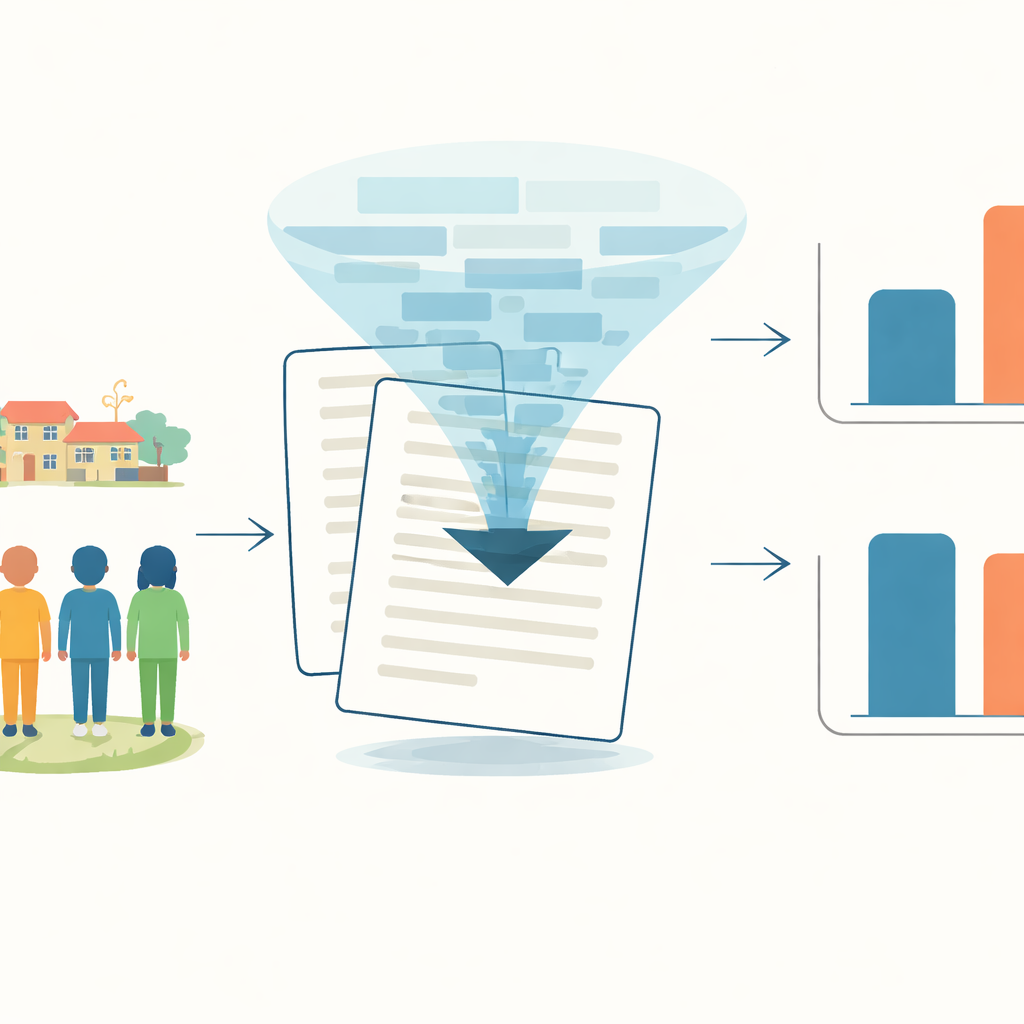
Most large-scale creativity tests look a lot like school exams: students read written prompts and then write out their answers. That means doing well depends not only on having original ideas, but also on being able to read quickly and comfortably. In many countries, especially lower-income ones, students from poorer families tend to have weaker reading skills. The authors suspected that when we see wealthier students scoring higher on creativity tests, we may actually be looking at a reading gap disguised as a creativity gap.
What the researchers did in Brazilian schools
To untangle these effects, the researchers ran three studies with more than 2,000 students in Brazil, from middle school through high school. First, they measured students’ creativity using well-known “divergent thinking” tasks, such as naming many unusual uses for common objects or listing unrelated words. They also measured reading ability with a fast, validated online reading test. For family background, they used a simple but reliable indicator: how many full bathrooms there were at home, which in Brazil closely tracks household wealth.
When reading counts, wealth looks like creativity
In the first study, students took standard, self-administered creativity tests, where they had to read and type or write their own answers. At first glance, high-income students did better, echoing international findings. But once the researchers accounted for reading ability, the gap between richer and poorer students shrank sharply and was no longer statistically meaningful, especially among students who struggled to read at a fifth-grade level. In fact, differences in reading skills were much larger than differences linked directly to family background, suggesting that the tests were picking up literacy more than pure creative thinking.
What happens when someone else reads for you
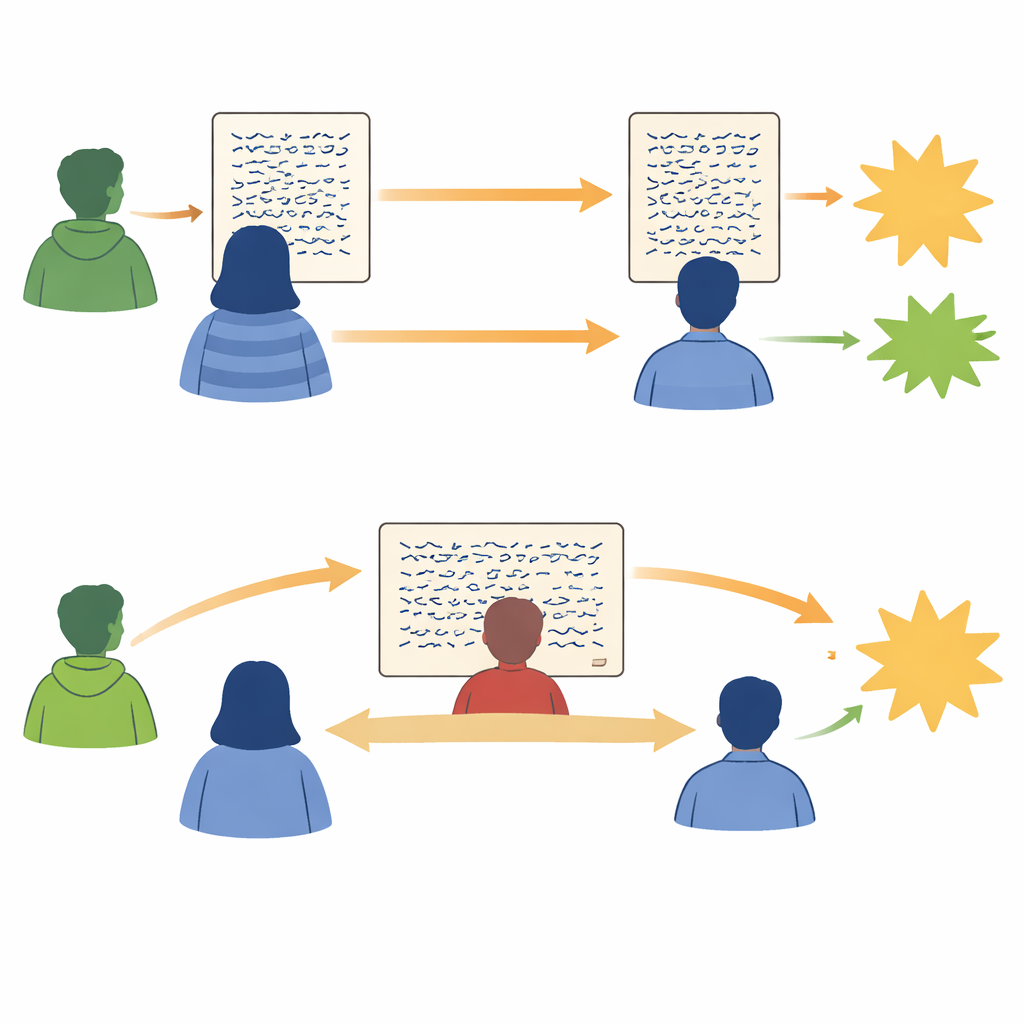
The next two studies changed how the tests were given. High school students again completed creative tasks, including items adapted from the PISA 2022 Creative Thinking assessment. This time, however, some students read the questions themselves, while others had a survey worker read the prompts aloud and type in their spoken answers. This simple change removed the need to decode written text or to write responses. When students had to read the prompts on their own, wealthier students tended to score higher. But when the prompts were read aloud, those gaps either disappeared or flipped: poorer students often matched or even outperformed richer classmates on the very same kinds of tasks.
What this means for judging talent fairly
The findings suggest that widely used creativity tests, including the ones used in PISA, may unintentionally favor students with stronger reading skills, who are more likely to come from richer families. In other words, the tests may underestimate the creative potential of lower-income students simply because they struggle more with reading, not because they lack imagination or problem-solving ability. The authors argue that to measure higher-order skills like creativity fairly, educators and policymakers should reduce the role of reading and writing in these assessments—for example, by using spoken instructions, oral responses, or non-verbal tasks. Otherwise, test results risk reinforcing harmful narratives that students from poorer backgrounds are less creative, when in fact their talents are being masked by the design of the tests themselves.
Citation: Lichand, G., Lopes, L. & Allums, S. Reading ability conflates SES creativity gaps. npj Sci. Learn. 11, 22 (2026). https://doi.org/10.1038/s41539-026-00404-y
Keywords: creativity assessment, socioeconomic status, reading ability, educational inequality, PISA creative thinking