Clear Sky Science · en
Variations in prevalence of retinopathy of prematurity (ROP) and completeness of screening in five units within a South African region: a register-based study
Why tiny eyes need big attention
Across the world, babies born too early face a hidden threat to their sight. A condition called retinopathy of prematurity, or ROP, can quietly damage the light‑sensitive tissue at the back of their eyes and lead to blindness if it is not found and treated in time. This study looks at how well hospitals in one South African city are doing at finding ROP early through regular eye checks, and shows that many at‑risk infants are still slipping through the cracks.
Five hospitals, one shared challenge
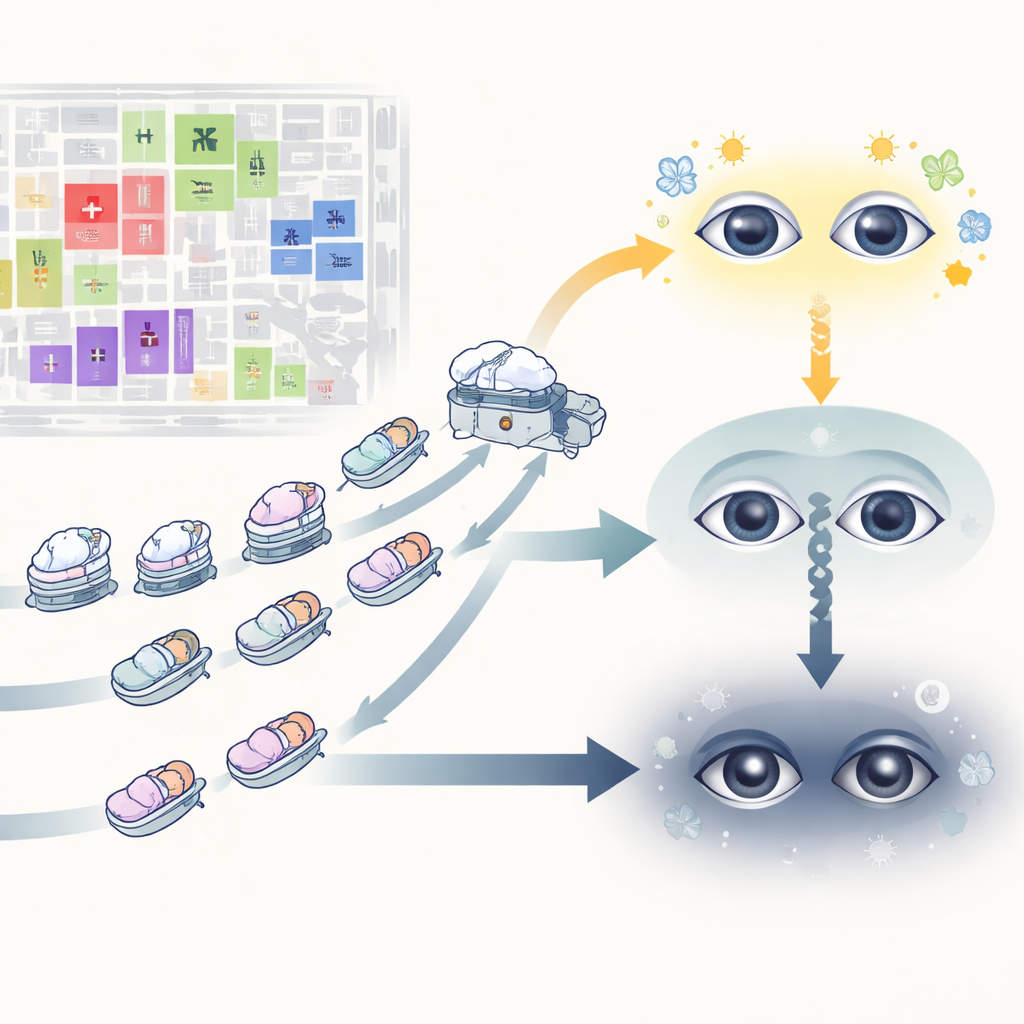
The researchers examined records from a regional register that tracks ROP screening in premature infants across five public hospitals in the Cape Town metropolitan area. These hospitals, three larger referral centers and two smaller secondary units, follow the same national guidelines on when and how to screen babies born very small or very early. Between February 2023 and April 2024, 933 such infants entered the screening program, most of them cared for in the three larger hospitals. The team compared how many babies were screened on schedule, how many completed all needed eye exams, and how often ROP was found in each hospital.
Starting on time, stopping too soon
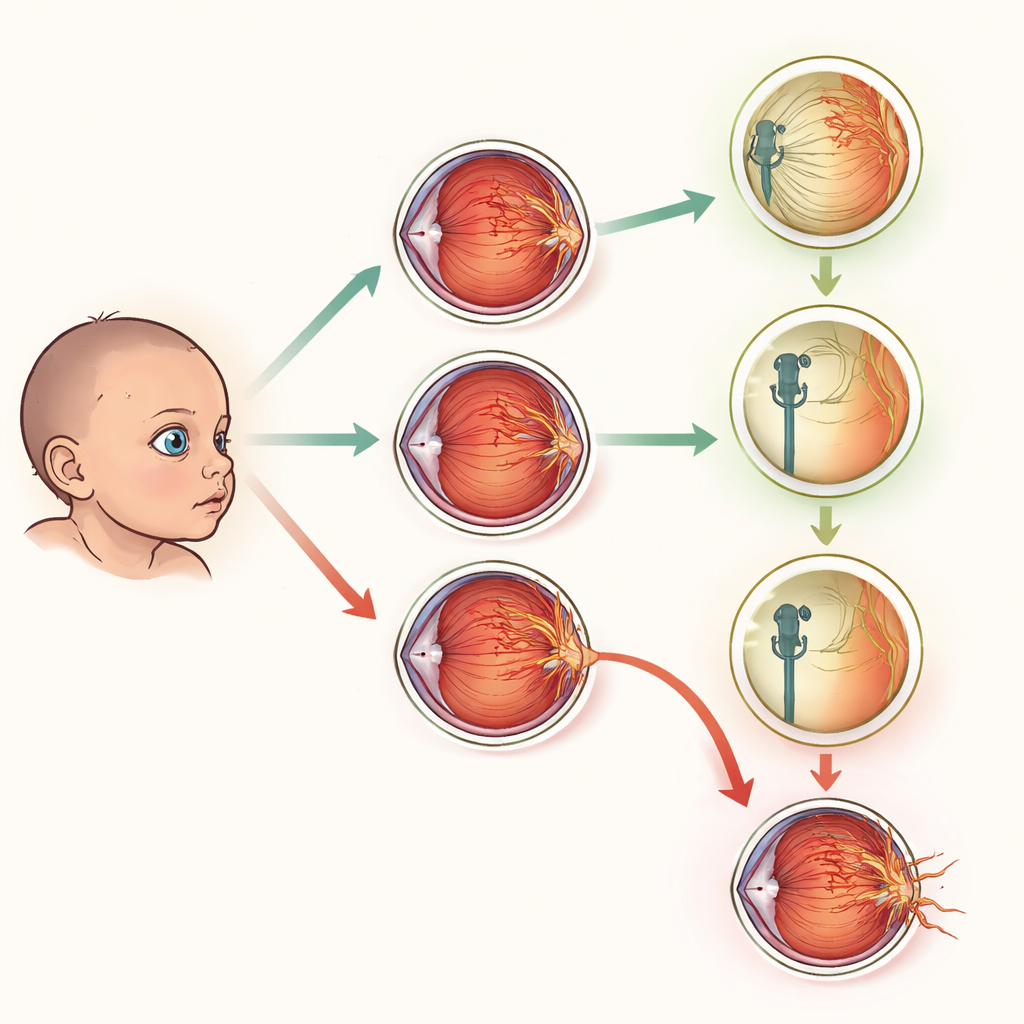
Encouragingly, the first eye checks were done on time for about four out of five infants in the region, which compares well with similar studies from Europe and Asia. Starting on time matters, because ROP can worsen quickly in the first weeks of life. The bigger problem emerged later in the screening journey: only half of all infants completed the full series of eye exams needed to safely rule out serious disease. Depending on the hospital, completion rates ranged from just over a third to nearly three‑quarters, revealing large differences in how well similar units were able to keep babies in care.
Missed visits, missed disease
ROP itself turned out to be common. Overall, one in three screened infants showed signs of the condition, and in some hospitals it affected more than two thirds of babies. Yet among all infants who were diagnosed with ROP, a worrying 57% never finished their screening schedule. That included nearly six in ten babies who had already reached the more severe stage 3 form of the disease, which carries a substantial risk of progressing to the sight‑threatening stage that requires urgent treatment. The main reason for incomplete screening was simple but serious: families did not return for scheduled follow‑up visits after the first exam, especially once babies had left the hospital.
Why some units see more eye disease
The fact that the five hospitals followed similar medical guidelines but had very different ROP rates raises important questions. Some of the variation likely comes from differences in how small and how premature the babies in each unit were, since the tiniest infants are at highest risk of ROP. Regional policies mean that the most fragile babies are usually born in the largest hospitals, but some are later transferred to smaller units, where their screening may start. The study suggests that tracking these transfers more carefully would help explain why one secondary hospital, in particular, showed unusually high levels of ROP among the babies it screened.
Keeping every baby in the safety net
For families and health systems alike, the message is clear: early eye checks for premature babies are not enough on their own. Vision is protected only when screening is completed through all recommended visits, especially in babies already known to have ROP. The authors argue that the current figures probably underestimate how common serious ROP really is in this region, simply because so many screening journeys stop halfway. They call for practical steps such as better counseling for caregivers, help with transport, and dedicated staff to track appointments, along with continued use and improvement of the national ROP register. With these measures, more fragile infants can be kept within the safety net of screening, and many cases of preventable childhood blindness can be avoided.
Citation: Van der Lecq, T., Holmström, G., Jordaan, E. et al. Variations in prevalence of retinopathy of prematurity (ROP) and completeness of screening in five units within a South African region: a register-based study. Eye 40, 901–906 (2026). https://doi.org/10.1038/s41433-026-04257-y
Keywords: retinopathy of prematurity, preterm infants, eye screening, South Africa, childhood blindness