Clear Sky Science · en
Vegetarian diets and cancer risk: pooled analysis of 1.8 million women and men in nine prospective studies on three continents
Why what we eat and cancer risk matter
Many people choose to cut back on meat or give it up entirely, hoping to lower their chances of serious diseases like cancer. But until now, most studies of vegetarian and vegan diets have been too small to give clear answers, especially for specific types of cancer. This new research brings together data on nearly 1.8 million adults from nine long-term studies in the UK, USA, Taiwan and India to ask a simple but important question: how do different everyday eating patterns relate to the risk of developing various cancers over time?
Different ways of eating
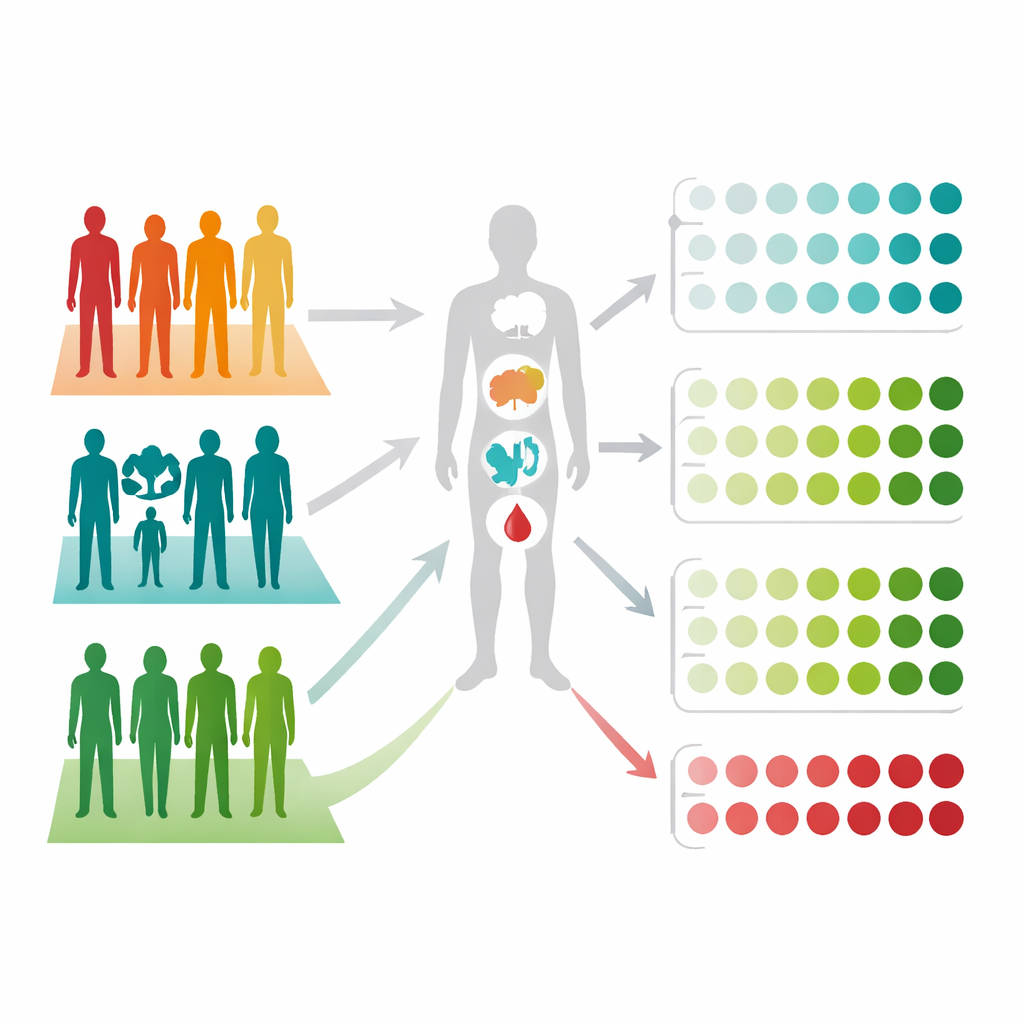
The researchers grouped participants according to what they usually ate when they joined the study: people who ate red and/or processed meat (the reference group called meat eaters), those who ate poultry but no red or processed meat, those who ate fish but no meat or poultry (pescatarians), those who avoided meat and fish but still ate dairy products or eggs (vegetarians), and those who avoided all animal products (vegans). Diet was reported using questionnaires, and most vegetarians stayed vegetarian when re-surveyed years later. The participants were then followed for a median of 16 years to see who developed one of 17 major cancers, including cancers of the gut, lung, breast, reproductive organs, urinary tract and blood.
How the study tracked cancer
Cancer diagnoses were identified mainly through national cancer registries, ensuring that cases were captured consistently. For each cancer type, the team compared how often it occurred in each diet group versus meat eaters of similar age, sex and background. They used statistical models that took into account many other factors that influence cancer risk, such as smoking, alcohol use, physical activity, body weight, education, and—for women—reproductive history and hormone use. For lung cancer, the main analyses focused on people who had never smoked, to minimise the distorting effects of tobacco.
Where plant‑forward diets seemed protective
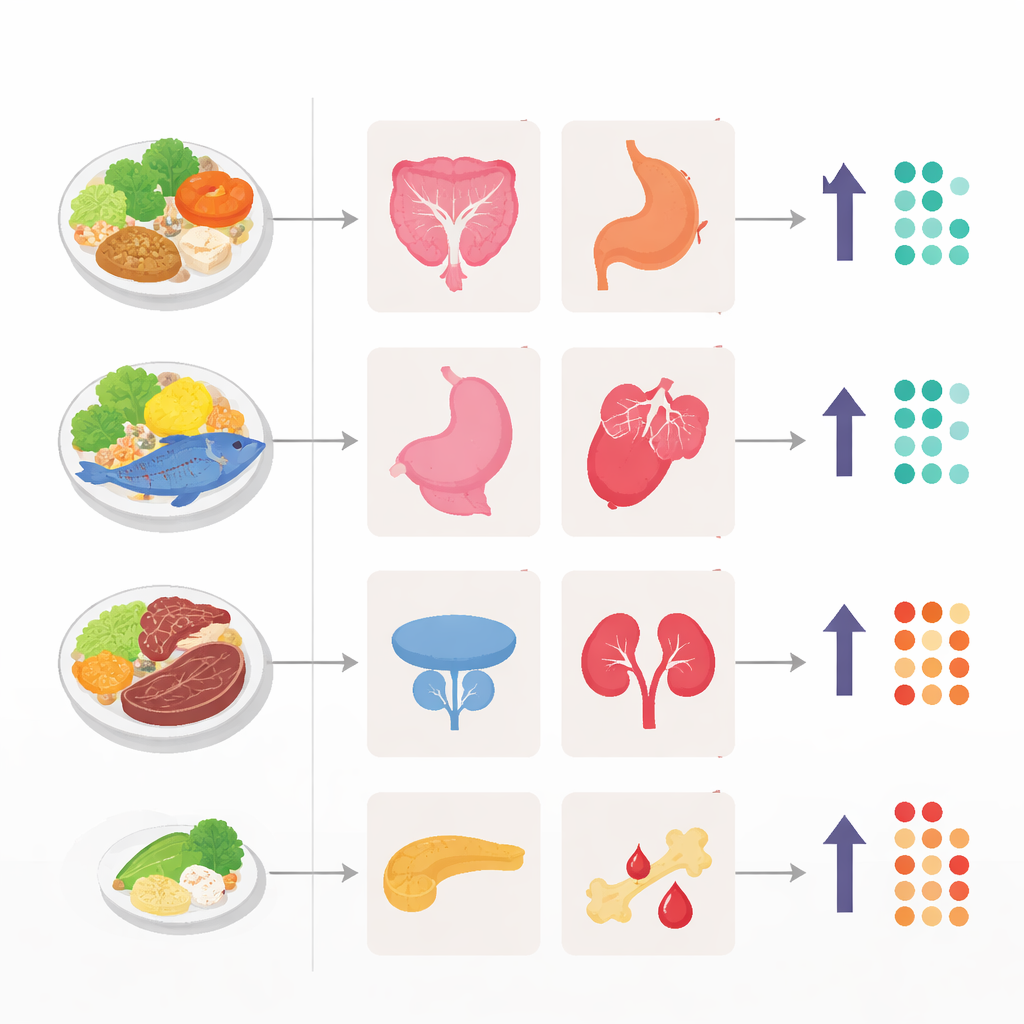
Overall, some but not all plant‑forward diets were linked with modestly lower risks for certain cancers. Compared with meat eaters, pescatarians had a lower risk of colorectal cancer, breast cancer and kidney cancer. Vegetarians had lower risks of pancreatic, breast and prostate cancers, as well as kidney cancer and the blood cancer multiple myeloma. Poultry eaters, who avoided red and processed meats but still ate chicken, had a slightly lower risk of prostate cancer. Many of these differences were small—typically around 10–30%—but they were consistent across the very large data set and remained even after accounting for differences in body weight.
When cutting meat was not always helpful
The picture was not one‑sided. Vegetarians had almost double the risk of a particular form of oesophageal cancer called squamous cell carcinoma. Vegans, who avoided all animal products, had a higher risk of colorectal cancer than meat eaters. These findings are based on far fewer cases than for the more common cancers, especially among vegans, so they should be interpreted carefully. Still, they raise the possibility that very low intakes of certain nutrients normally supplied by animal foods—such as calcium, vitamin B12, riboflavin, zinc or certain fats—could offset some of the potential benefits of avoiding meat. The authors note that, in the cohorts with detailed nutrient data, vegans tended to have the lowest calcium intakes, even though calcium and dairy foods are thought to protect against colorectal cancer.
What this means for everyday choices
This mega‑analysis suggests that replacing red and processed meat with fish or carefully planned vegetarian diets may lower the risk of some cancers, particularly of the bowel, breast, kidney, prostate and certain blood cancers. However, it also shows that simply avoiding all animal products does not guarantee lower cancer risk and may even increase the risk of some cancers if key nutrients are lacking. Because the participants were mostly from the UK and USA and followed specific patterns of plant‑based eating, the results may not apply everywhere or to all styles of vegetarian or vegan diets. For individuals, the take‑home message is that a plant‑rich diet can be part of a cancer‑conscious lifestyle, but it needs to be balanced and nutritionally complete rather than focused only on what is left off the plate.
Citation: Dunneram, Y., Lee, J.Y., Watling, C.Z. et al. Vegetarian diets and cancer risk: pooled analysis of 1.8 million women and men in nine prospective studies on three continents. Br J Cancer 134, 1218–1229 (2026). https://doi.org/10.1038/s41416-025-03327-4
Keywords: vegetarian diet, vegan diet, cancer risk, plant-based eating, meat consumption