Clear Sky Science · en
Serum 25-hydroxyvitamin D levels and risk of type 2 diabetes according to glycemic status: a prospective cohort study
Why sunshine vitamin and blood sugar matter
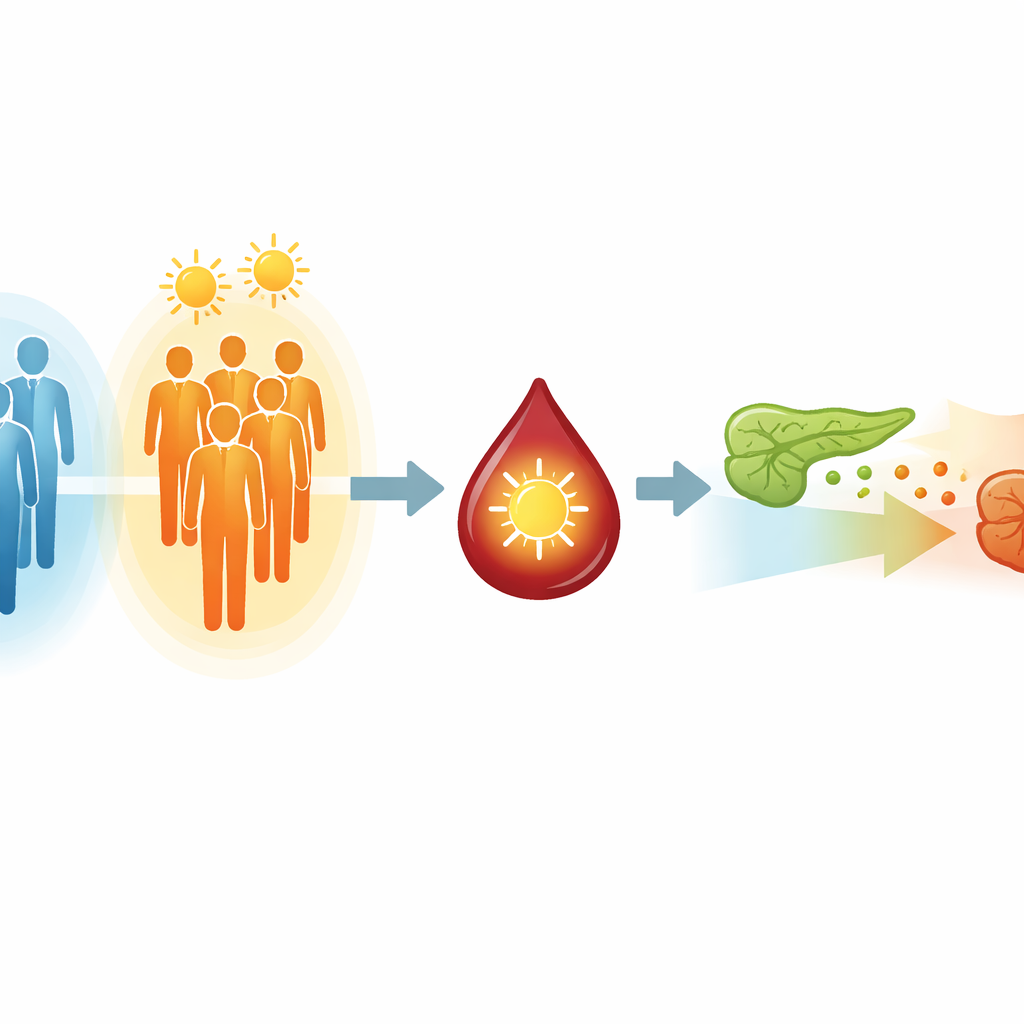
Type 2 diabetes is rising fast around the world, and many people wonder whether simple steps like getting enough vitamin D could help protect them. This study followed more than 3,600 Korean adults for almost 14 years to see whether the level of vitamin D in their blood was linked to their chances of developing type 2 diabetes. The researchers were especially interested in whether this link looked different for people whose blood sugar was still normal versus those already in the “prediabetes” range.
Who was followed and what was measured
The study drew on a large community project in two Korean cities, including both urban and rural residents aged 40 to 69 who did not yet have diabetes. At one survey visit, the team measured each person’s circulating 25-hydroxyvitamin D, the standard marker of vitamin D status. Because vitamin D naturally rises and falls with the seasons, they adjusted the values to reflect each participant’s typical yearly level. They also checked fasting blood sugar, blood sugar two hours after a sugar drink, and a longer-term marker called HbA1c every two years, along with information on weight, blood pressure, exercise, smoking, alcohol use, and other health factors.
Sorting people by vitamin D and blood sugar
The researchers grouped vitamin D levels into three categories: deficient (below 25 nmol/L), insufficient (25–50 nmol/L), and sufficient (50 nmol/L or higher). At the same time, they classified participants as having normal blood sugar if all three glucose measures were below standard thresholds, or prediabetes if any of them was mildly elevated. About half of the group had prediabetes at the start. People with higher vitamin D levels tended to be older, more likely to live in rural areas, and somewhat leaner, but the share with prediabetes was similar across vitamin D groups.
What happened over 14 years
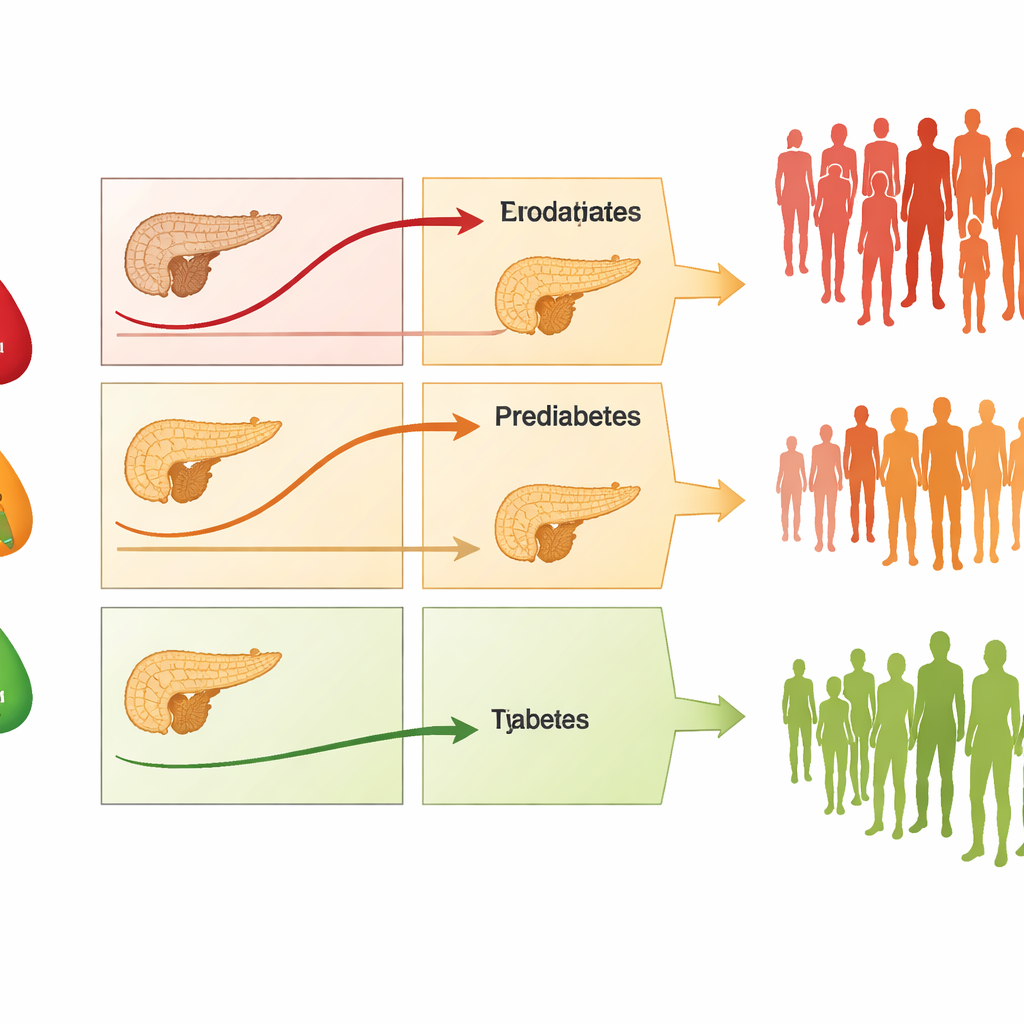
Over the follow-up period, 796 participants—about one in five—developed type 2 diabetes. When everyone was analyzed together, those with sufficient vitamin D had a modestly lower risk of diabetes than those who were deficient, even after taking into account age, sex, lifestyle habits, kidney function, blood fats, and body weight. But when the results were split by starting blood sugar status, an important pattern emerged: among people whose blood sugar was still in the normal range, having sufficient vitamin D was linked to roughly half the risk of later diabetes compared with being deficient. In contrast, among people who already had prediabetes, vitamin D level at the start did not clearly change the chance of progressing to diabetes.
Digging deeper into early blood sugar changes
The team also looked separately at each blood sugar measure. They found that higher vitamin D tended to be linked with lower diabetes risk in people whose HbA1c or two-hour glucose were still below the prediabetes cutoffs, but this trend was much weaker or absent once those markers were already elevated. Over time, participants with higher vitamin D showed a slower rise in HbA1c, suggesting that adequate vitamin D might help keep long-term blood sugar control from drifting upward, at least in the earlier stages. These findings fit with laboratory work showing vitamin D can influence insulin-producing cells in the pancreas and the body’s sensitivity to insulin, though they do not prove a cause-and-effect relationship.
What this means for prevention
In everyday terms, this study suggests that having enough vitamin D may be most helpful before blood sugar problems become established. Among middle-aged and older Korean adults with normal glucose levels, sufficient vitamin D was linked to a noticeably lower chance of developing type 2 diabetes over the next decade or more. For people already in the prediabetes range, vitamin D levels in the usual range seen here did not make a clear difference. The authors conclude that while vitamin D is unlikely to be a magic bullet, maintaining healthy levels—through safe sun exposure, diet, or supplements when appropriate—could be one useful piece of a broader strategy to keep blood sugar in check and delay or prevent type 2 diabetes.
Citation: Song, S., Son, M.K., Song, B.M. et al. Serum 25-hydroxyvitamin D levels and risk of type 2 diabetes according to glycemic status: a prospective cohort study. Nutr. Diabetes 16, 8 (2026). https://doi.org/10.1038/s41387-026-00416-y
Keywords: vitamin D, type 2 diabetes, prediabetes, blood sugar, long-term cohort study