Clear Sky Science · en
Blood pressure trends and disparities across the COVID-19 pandemic in a large diverse urban population
Why this matters for everyday health
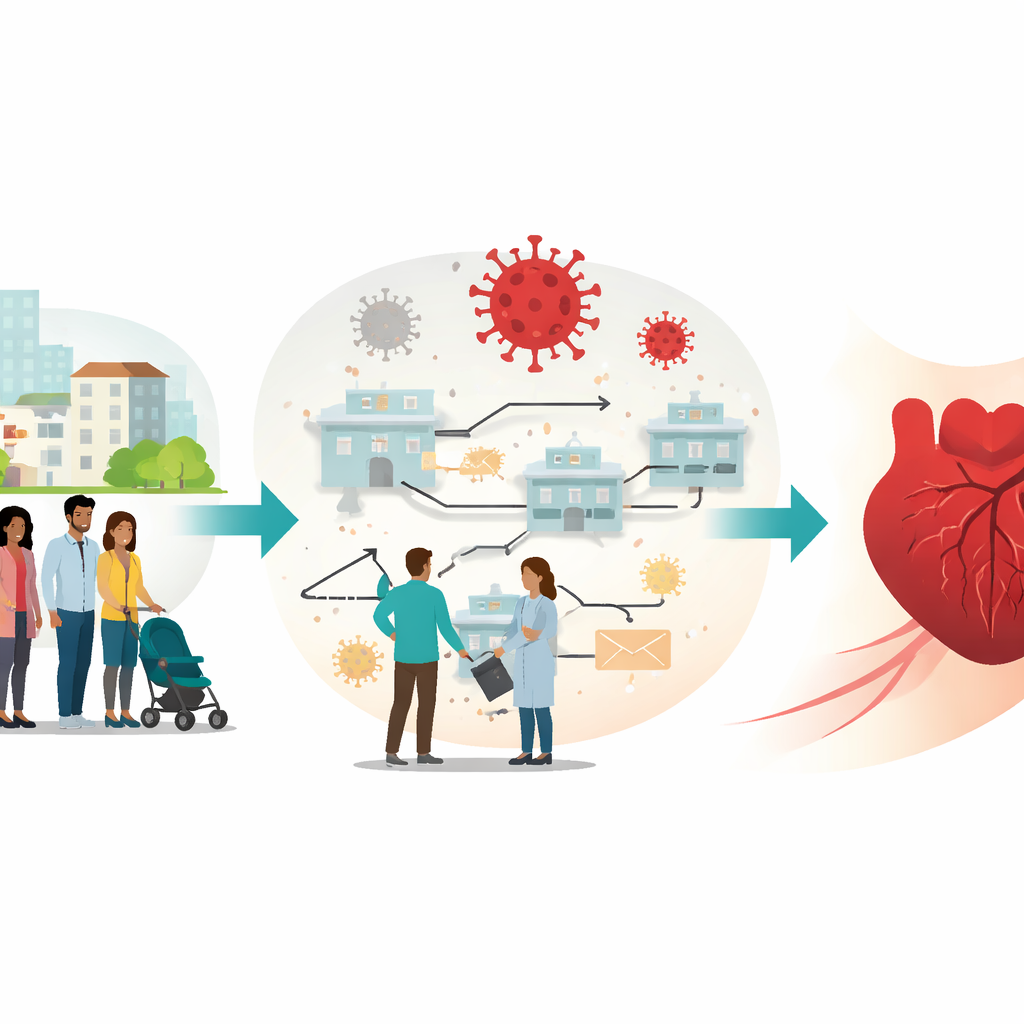
The COVID-19 pandemic reshaped how we live, work, and get medical care. One subtle but important question is whether those upheavals nudged our blood pressure higher—and if so, for how long, and for whom. This study tracks blood pressure readings from nearly 800,000 adults in New York City’s Bronx and surrounding areas to see how the pandemic changed heart health risks over several years, and which communities were hit hardest.
A long look at blood pressure before and after COVID
Researchers examined electronic medical records from the Montefiore Health System, which serves a large, mostly low-income and racially diverse urban population. They focused on systolic blood pressure (the top number in a blood pressure reading) measured during in-person clinic visits between January 2017 and August 2024. By averaging each person’s readings month by month and using a method called interrupted time series analysis, they compared the years before the pandemic with the years after its onset to see how much blood pressure levels shifted and when they returned to earlier trends.
What happened when the pandemic hit
Before COVID-19, average systolic blood pressure in this population was slowly edging upward. When the pandemic began in early 2020, however, there was a clear jump: after accounting for age, sex, existing illnesses, and other factors, systolic blood pressure rose by about 1.7 millimeters of mercury. That may sound small for an individual, but on a population scale such a shift is linked to noticeable increases in heart disease and stroke risk. Importantly, blood pressure did not immediately fall back. It remained elevated and only returned to the level expected from pre-pandemic trends roughly 16 months later, around mid-2022, even as health services and daily routines gradually recovered.
Unequal strain across communities
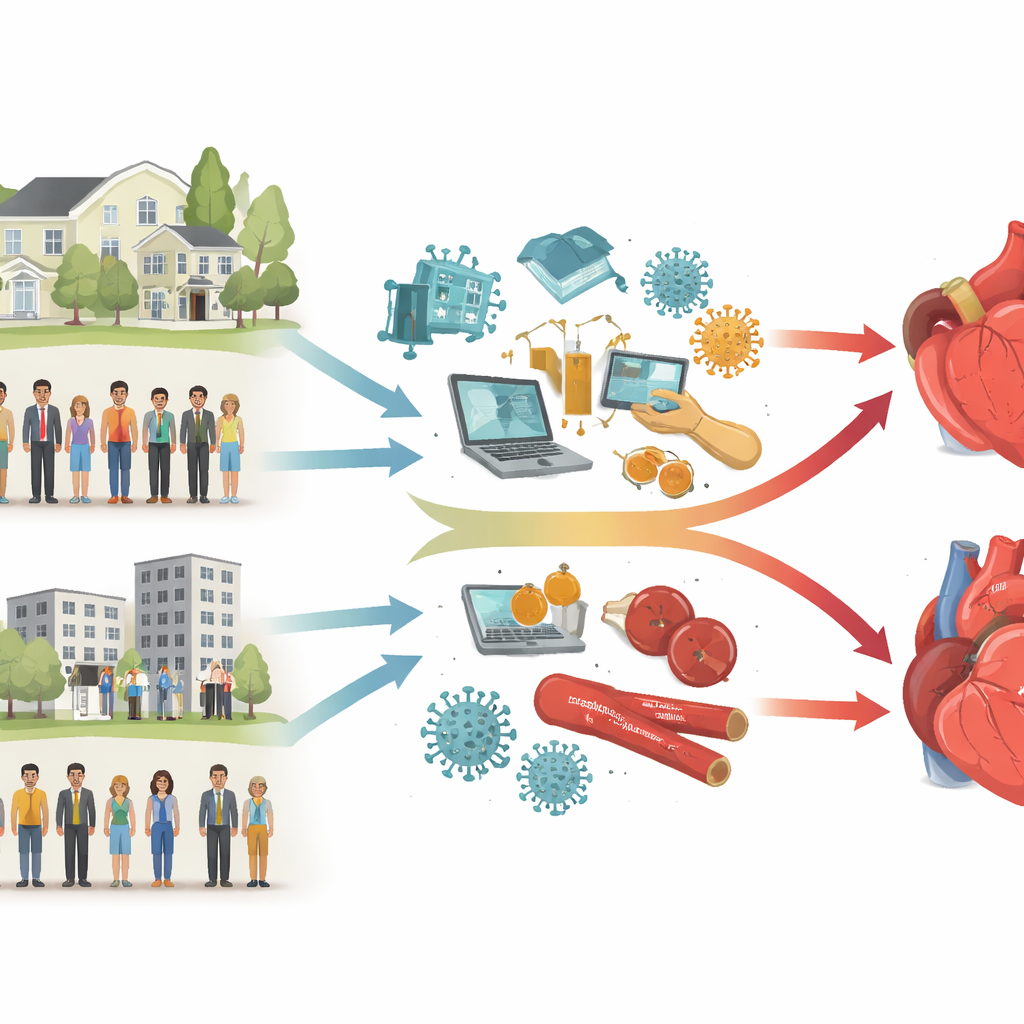
The rise in blood pressure was not shared equally. When the team broke down the data by race and ethnicity, they found that non-Hispanic Black, Hispanic, and other minority groups had larger pandemic-related increases than non-Hispanic White patients. The researchers also connected patients’ ZIP codes to U.S. Census data on income, education, and unemployment. People living in neighborhoods with lower incomes, lower high school graduation rates, or higher unemployment saw bigger jumps in blood pressure than those in better-off areas. For example, residents of the lowest-income areas experienced roughly half a millimeter more increase in systolic blood pressure than those in the highest-income areas, even after adjusting for health conditions and demographics.
Possible reasons behind the rise
The study cannot pinpoint exact causes for these changes, but it highlights several likely contributors. During lockdowns and subsequent surges, patients missed routine checkups, blood pressure monitoring, and timely adjustments of medications. At the same time, many people faced job loss, financial strain, cramped housing, social isolation, and worry about infection—stressors that can all push blood pressure higher. These pressures were often greatest in communities of color and in neighborhoods with fewer resources and less stable access to healthcare. Together, disrupted care and heightened stress appear to have produced a sustained but uneven rise in cardiovascular risk.
What this means going forward
To a layperson, the main message is that the pandemic left a measurable "blood pressure footprint" on an already vulnerable urban population, and that footprint was deepest in communities with fewer economic and social advantages. Although average blood pressure eventually drifted back toward earlier levels, the months of higher pressure could translate into more heart attacks and strokes over time, especially among groups already facing health inequities. The authors argue that health systems and public agencies should invest in easier access to blood pressure checks, reliable medication, and supportive services tailored to disadvantaged neighborhoods, so that future crises do not widen the gap in heart health.
Citation: Zhang, V., Wang, S.H., Fiori, K. et al. Blood pressure trends and disparities across the COVID-19 pandemic in a large diverse urban population. J Hum Hypertens 40, 311–318 (2026). https://doi.org/10.1038/s41371-026-01130-z
Keywords: blood pressure, COVID-19, health disparities, hypertension, socioeconomic status