Clear Sky Science · en
Corruption crimes in Ukraine and Lithuania under martial law and the state of emergency: situation and trends
Why Corruption Matters in Times of War
When a country is fighting for its survival, every dollar, weapon and delivery of aid becomes precious. This article looks at how corruption behaves under such extreme pressure by comparing Ukraine during full-scale war and Lithuania under a state of emergency. It asks a simple but vital question: can these countries keep public money and support from being stolen or misused when institutions are strained and needs are urgent?
Two Neighbors, Two Different Starting Points
Ukraine and Lithuania share a Soviet past, but they began the current crisis from very different positions. Ukraine had long struggled with widespread bribery and misuse of office, only making major reforms after 2014. Lithuania, by contrast, had already spent decades building a tough anti-corruption system backed by European agreements and an independent investigative service. When Russia launched its full-scale invasion of Ukraine in 2022 and Lithuania declared a state of emergency, both countries had to see whether their hard-won progress would hold up under shock.
Counting Crimes in the Midst of Chaos
To understand what actually happened, the study digs into official crime numbers, court records and reports from watchdog agencies. In Ukraine, more than 14,800 corruption-related crimes were registered from the start of the full-scale invasion through 2023. Many of these involved abuse of power, paying or receiving bribes, and officials exploiting their positions in areas such as handling drugs, property and military goods. At first, the numbers dipped because parts of the country were occupied, millions fled their homes and law enforcement could not function normally. As institutions adjusted and people regained their footing, reports and convictions began to climb again, suggesting not only problems but also a growing willingness to expose them. 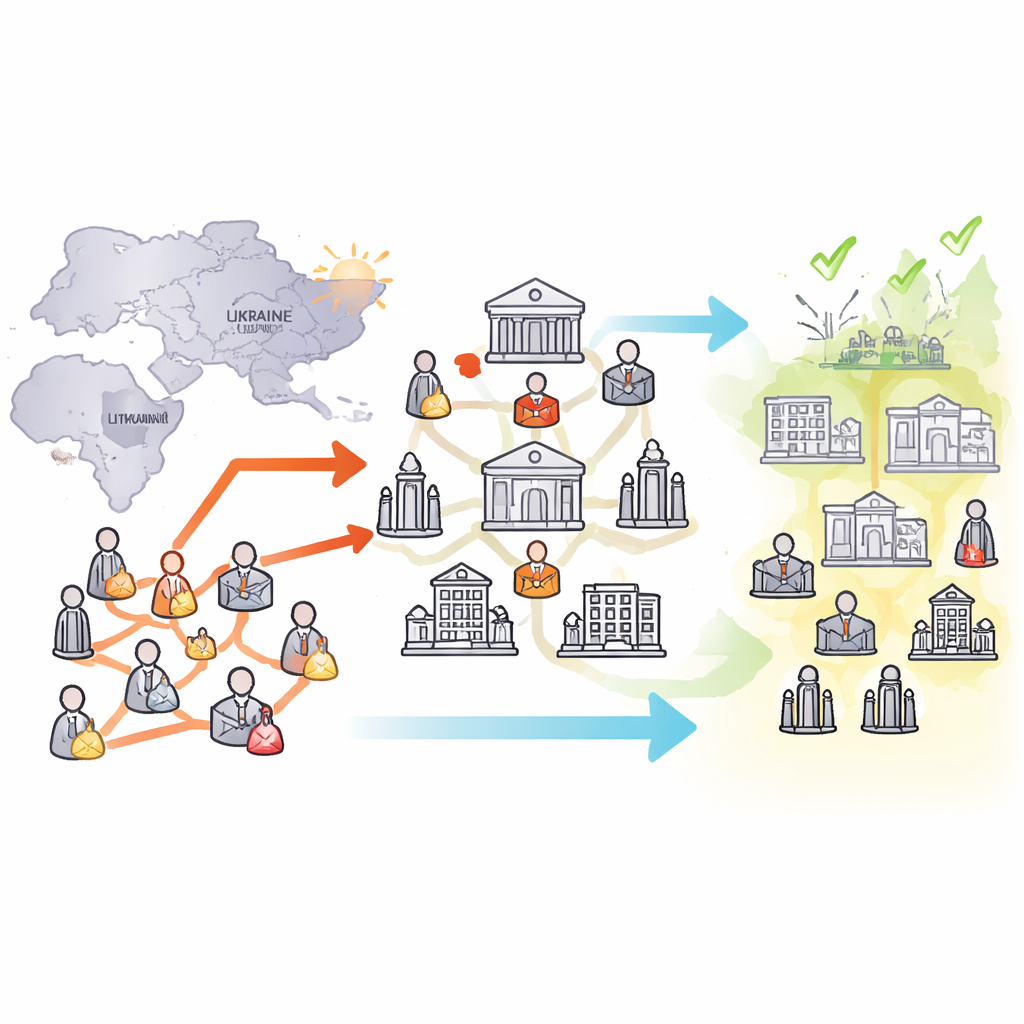
Guardians of Integrity Under Fire
Ukraine’s specialized anti-corruption bodies—investigators, prosecutors, asset hunters and a dedicated court—faced a heavy double burden. They had to keep chasing crooked officials while also helping document war crimes, track the assets of supporters of the invasion and channel seized funds to the army. Their work led to more high-level cases against top managers, judges, lawmakers and military officials, and to billions of local currency recovered or redirected to defense. Lithuania’s central anti-corruption service and related institutions, although not under attack themselves, also stepped up: they refreshed national strategies, tightened laws and continued to monitor risk areas such as local government, health care, building permits and public tenders. In Lithuania, the number of registered corruption crimes actually fell, and the rate of such offences per person roughly halved between 2021 and 2023, hinting at more effective prevention.
Where Corruption Finds Its Chance
The article shows that war and emergency measures create new openings for abuse. In Ukraine, the rush to buy weapons and supplies, the flood of humanitarian aid, mass movements of people and the enormous task of rebuilding damaged homes all created situations where individual officers or officials could demand or accept bribes. Court cases reveal schemes at borders, in recruitment offices, prisons, police units and hospitals, as well as among those deciding who is fit for military service or who gets compensation for destroyed property. Lithuania faces different but related dangers: political favoritism, party patronage, local government decisions that benefit narrow groups and strategic investments linked to hostile neighboring states. Both countries identify defense, health care, public procurement and licensing as especially sensitive.
What the Trends Tell Us
Despite these risks, the overall picture is not purely bleak. The rise in Ukraine’s corruption cases and convictions, together with opinion surveys, points to citizens becoming bolder in reporting wrongdoing and less tolerant of “business as usual.” Lithuania’s steady or improving global rankings and falling crime rates suggest that strong institutions can keep corruption in check even when security tensions rise. The comparison highlights that emergencies do not automatically lead to a collapse of integrity; they instead magnify the importance of having robust watchdogs, clear rules and active public oversight. 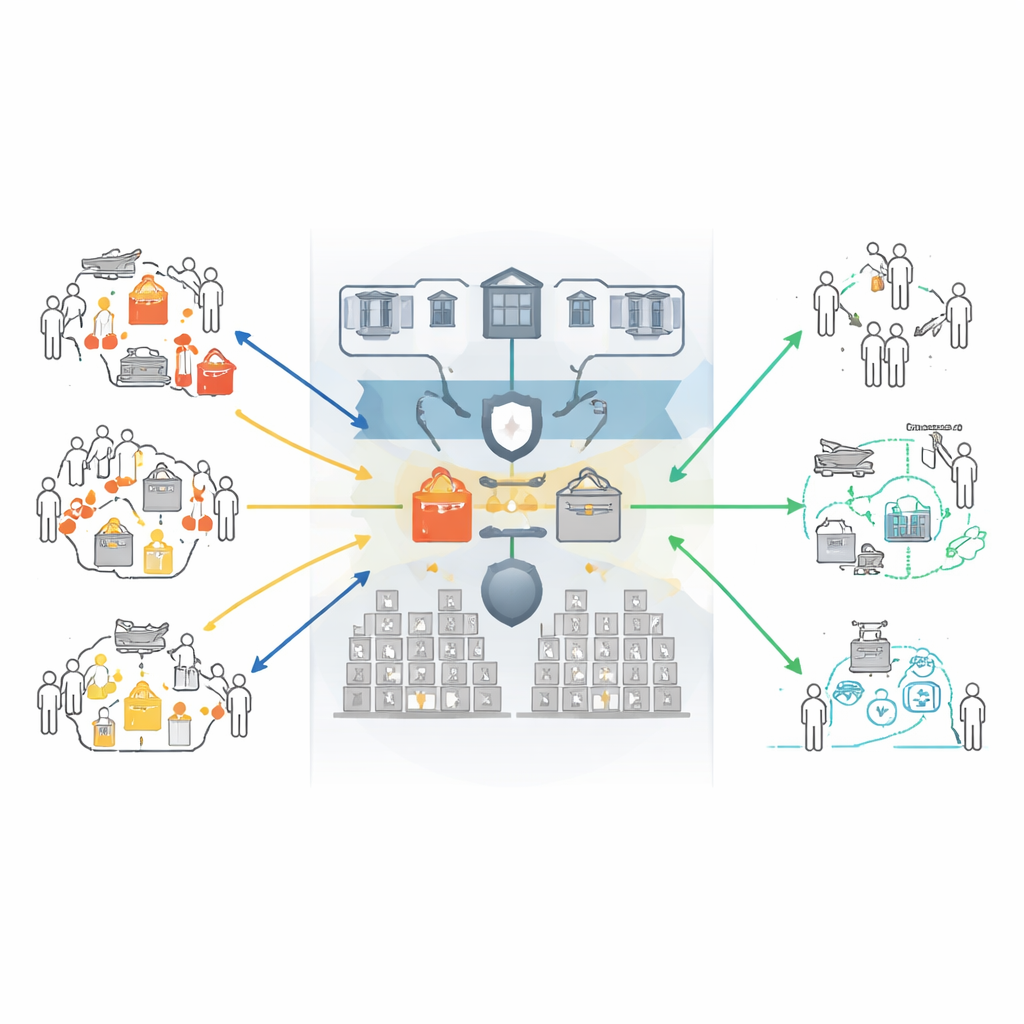
Why This Matters for the Future
In plain terms, the study concludes that fighting corruption is not a luxury that can be postponed until peace returns. For Ukraine, success on the battlefield and eventual recovery depend on convincing its own citizens and foreign partners that help will not be siphoned off by insiders. For Lithuania, keeping corruption low is part of protecting national security and showing that support to Ukraine is well managed. The lessons drawn here—about risk hotspots, institutional design and the power of public involvement—offer a roadmap for any country that must safeguard public trust and scarce resources under the strain of war or crisis.
Citation: Kulyk, K. Corruption crimes in Ukraine and Lithuania under martial law and the state of emergency: situation and trends. Humanit Soc Sci Commun 13, 440 (2026). https://doi.org/10.1057/s41599-026-06547-y
Keywords: corruption, martial law, Ukraine, Lithuania, anti-corruption agencies