Clear Sky Science · en
Towards a nomenclature of health services for implementing universal health coverage in low- and middle-income countries
Why organizing health services matters
When people visit a clinic or hospital, every test, medicine, and treatment leaves a trail in the form of bills and records. In many low- and middle-income countries, this trail is messy: the same service can have different names and codes from one hospital to the next. That chaos makes it hard for governments to see who is getting which services, how much they cost, and whether progress is being made toward universal health coverage—everyone receiving needed care without financial hardship. This article describes how researchers in Burundi designed a unified way to name and code health services so that digital health systems can finally “speak the same language.” 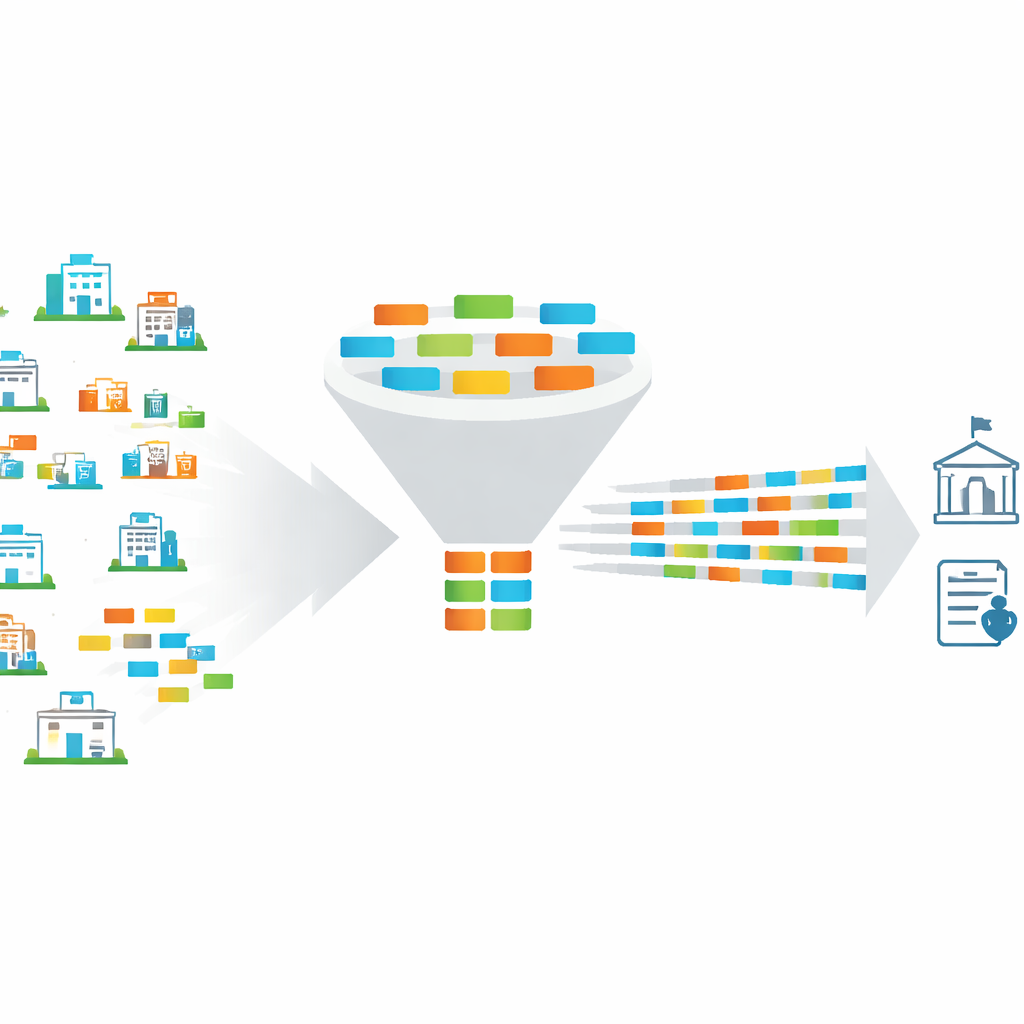
The promise and puzzle of digital health
Across Africa and other regions, health systems are rapidly shifting from paper to screens. Hospitals and clinics are introducing electronic health records, digital supply chains, and national data platforms. These tools should, in principle, make it easier to monitor quality of care and costs. Yet the authors point out a hidden problem: the software systems cannot easily talk to each other because each one uses its own homemade list of codes for billable services. In Burundi, an assessment of five hospitals showed that only one third of billable items had the same label everywhere, every item had at least two different codes across hospitals, and some codes were reused for completely different services. Without a common language, the country could not reliably track which services were delivered, to whom, and at what price.
Building a common language for care
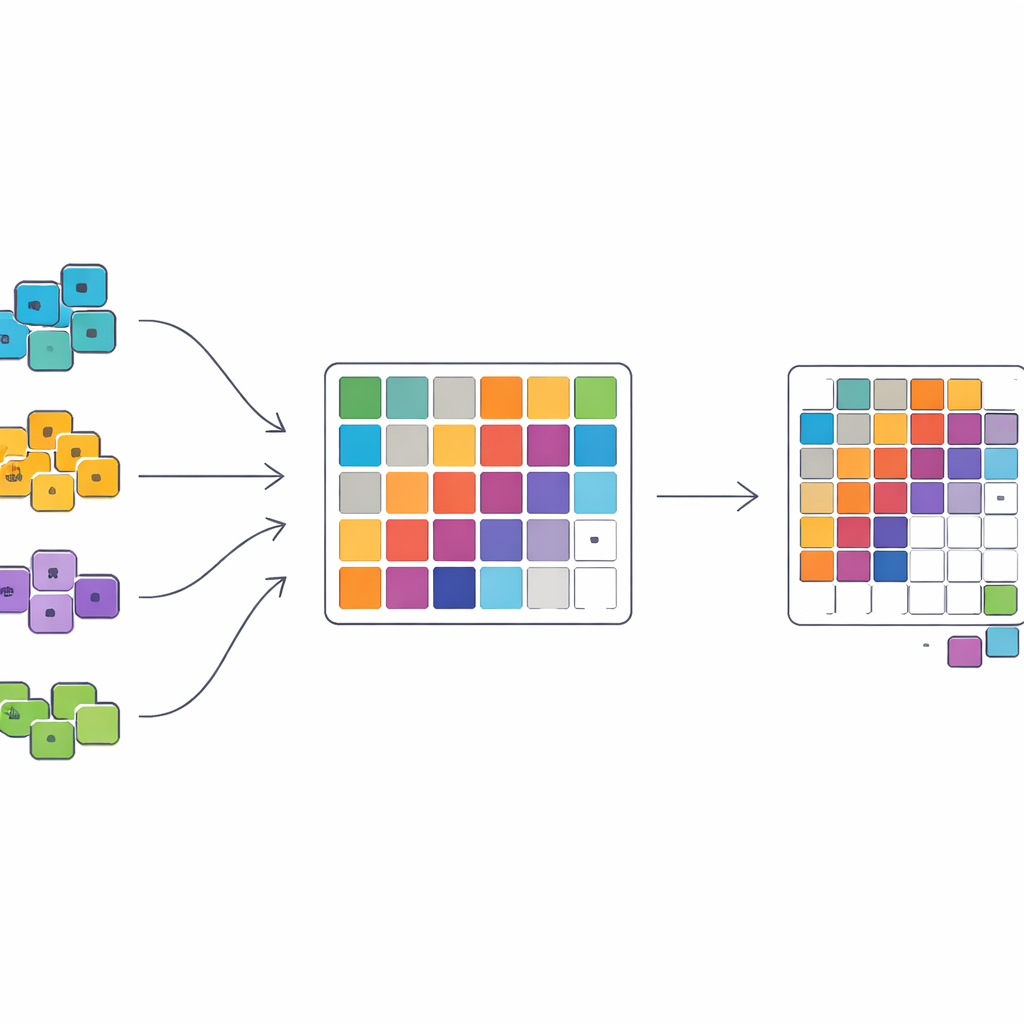
To solve this, the team created what they call the Universal Nomenclature of Health Services (UNHS)—a master list that brings together existing international coding systems into a single, coherent structure. They first reviewed the global landscape and identified twelve practical domains of care that matter for both billing and monitoring: from hospital procedures and clinic visits to laboratory tests, imaging, medicines, medical devices, mental health, rehabilitation, and more. For each domain they chose the most widely used international standards, such as the systems that classify surgical procedures, lab tests, and drugs, favoring those that are detailed, widely adopted, regularly updated, and as open as possible.
Adapting global standards to local reality
Using these six international sources, the researchers generated a large “meta-classification” of more than 82,000 unique codes. Each UNHS code is linked back to its original international counterpart and is available in four languages, making it easier to use across regions. The team then compared this library against real billing lists from Burundian hospitals, health centers, pharmacies, physiotherapy units, and the national reference laboratory—about 3,300 distinct services in total. They found that 91% of local services already matched an international code. The remaining 9% required national “extensions”: extra codes created by adding a short suffix to a parent code, for example when local practice distinguishes different x‑ray angles that the international standard treats as a single item. In a few cases, mainly for very specific local services, they created operational codes that have no current international equivalent.
Testing, refining, and using the system
What this means for patients and health systems
For citizens, a tidy list of codes may sound abstract, but it underpins something very tangible: the ability of a country to know whether its people are receiving the care they need without being pushed into poverty. By giving every billable health service a clear, shared identity, UNHS makes it possible to combine data from many different digital systems, compare services across facilities, and track progress toward universal health coverage over time. The Burundian experience shows that even in resource-limited settings, it is possible to weave global standards into a single, locally adapted framework. The authors argue that their approach can be reused by other countries that lack their own national coding schemes, helping to strengthen health system governance, improve data quality, and ultimately support fairer and more efficient healthcare for all.
Citation: Ndayikunda, A., Buyl, R. & Verbeke, F. Towards a nomenclature of health services for implementing universal health coverage in low- and middle-income countries. Commun Med 6, 194 (2026). https://doi.org/10.1038/s43856-026-01455-3
Keywords: universal health coverage, health service coding, digital health systems, Burundi health system, interoperability