Clear Sky Science · en
Gut hormones in POTS and their relation to hemodynamic parameters and gastrointestinal symptoms
Why standing up can be so hard for some people
For many people with postural orthostatic tachycardia syndrome, or POTS, simply standing up can trigger racing heartbeats, dizziness, and troubling gut symptoms like nausea and constipation. This study asks whether hormones from the gut that control blood sugar and appetite might also shape blood pressure and discomfort in POTS, offering clues to why everyday activities feel so exhausting.
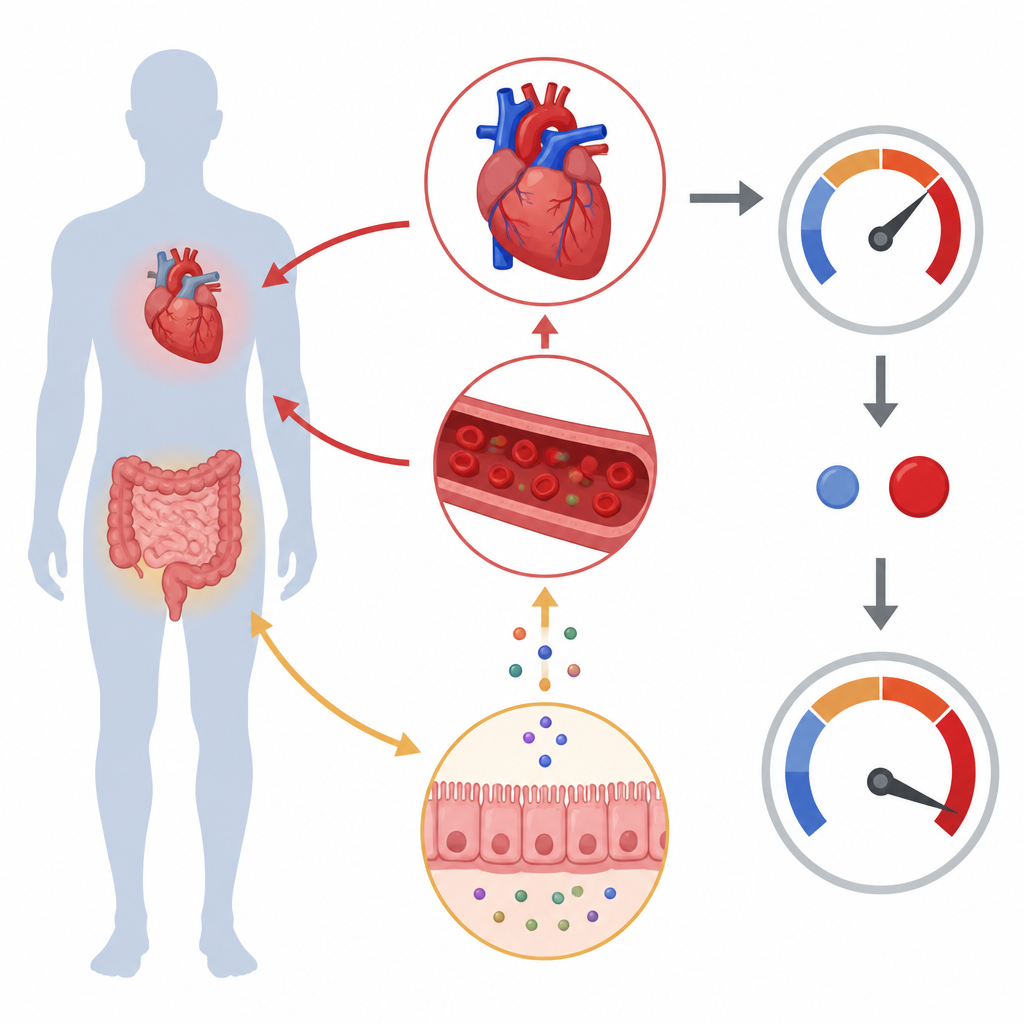
A closer look at POTS and gut signals
POTS is a disorder where the heart rate jumps when a person stands, without a big drop in blood pressure. Many patients also report ongoing stomach and bowel problems. Because the gut produces hormones that help manage blood sugar, appetite, and blood flow, the researchers wondered if those hormones look different in people with POTS and whether they might be linked to heart and blood pressure changes or to gut symptoms.
How the researchers studied people with POTS
The team in Sweden drew on a large hospital based project that follows people with fainting or severe dizziness. From this group they created two overlapping sets of volunteers with confirmed POTS and matched healthy people without long term illness. In one fasting group, participants arrived in the morning without eating, had blood drawn for several hormones and cortisol, and then performed a standing test while their pulse and blood pressure were measured lying down and at several minutes after standing up. In the second, non fasting group, participants had blood drawn later in the day for similar hormones plus a long term blood sugar marker, and filled in detailed questionnaires about gut symptoms and well being.
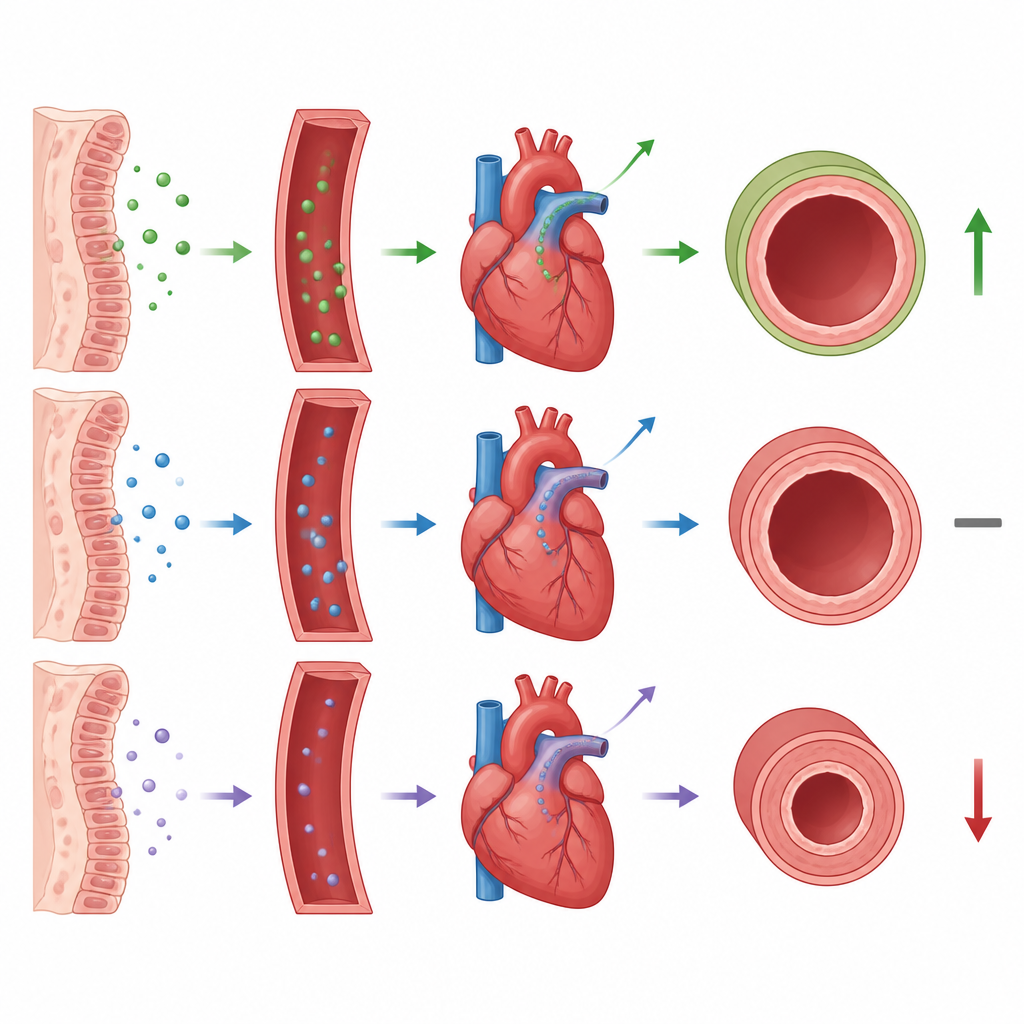
What the hormone tests revealed
In the fasting group, levels of insulin and its partner molecule C peptide tended to be somewhat higher in POTS than in controls, but this difference largely vanished after taking body mass index into account. The most striking finding was that, only in POTS, higher fasting insulin and C peptide went hand in hand with higher blood pressure readings, both while lying down and after standing. This pattern did not appear in the healthy comparison group. Other gut related hormones that affect appetite and gut movement, as well as the stress hormone cortisol, were similar in both groups and did not show the same tight links to blood pressure.
Gut symptoms without clear hormonal fingerprints
People with POTS in the non fasting group reported much more severe gut symptoms than the healthy volunteers, including pain, bloating, diarrhea, constipation, and strong effects on daily life. However, their long term blood sugar levels, as measured by HbA1c, were similar to those of the healthy group, suggesting no clear signal of ongoing poor sugar control. Levels of the tested gut hormones in the fed state also looked broadly similar between groups, and the researchers did not see meaningful connections between these hormone levels and how bad the gut symptoms felt.
What this means for people living with POTS
To a non specialist, the main message is that POTS does not seem to come with obvious long term problems in blood sugar control, but there is a special relationship between fasting insulin related signals and blood pressure that is not seen in people without POTS. This suggests that the same biology that helps the body handle sugar may also influence how blood vessels behave in POTS, even if it does not explain the day to day stomach troubles. Larger and longer studies will be needed to see whether this hormonal pattern affects future risks like high blood pressure or heart disease, and whether targeting insulin related pathways could someday help some patients feel better when they stand.
Citation: Tufvesson, H., Roth, B., Johansson, M. et al. Gut hormones in POTS and their relation to hemodynamic parameters and gastrointestinal symptoms. Sci Rep 16, 15514 (2026). https://doi.org/10.1038/s41598-026-52963-0
Keywords: postural orthostatic tachycardia syndrome, insulin, blood pressure, gut hormones, gastrointestinal symptoms