Clear Sky Science · en
A randomized controlled trial of adjunctive speleotherapy in asthma, COPD and long COVID
Breathing Easier Underground
Many people with asthma, chronic obstructive pulmonary disease (COPD), or long COVID search for ways to breathe more comfortably beyond inhalers and pills. This study explores an unusual option: spending time in cool, clean underground caves, known as speleotherapy. By testing this long-standing spa treatment in a modern clinical trial, the researchers asked whether quiet hours below ground could meaningfully ease breathing problems and improve daily life for adults with chronic lung conditions.
What Underground Therapy Looks Like
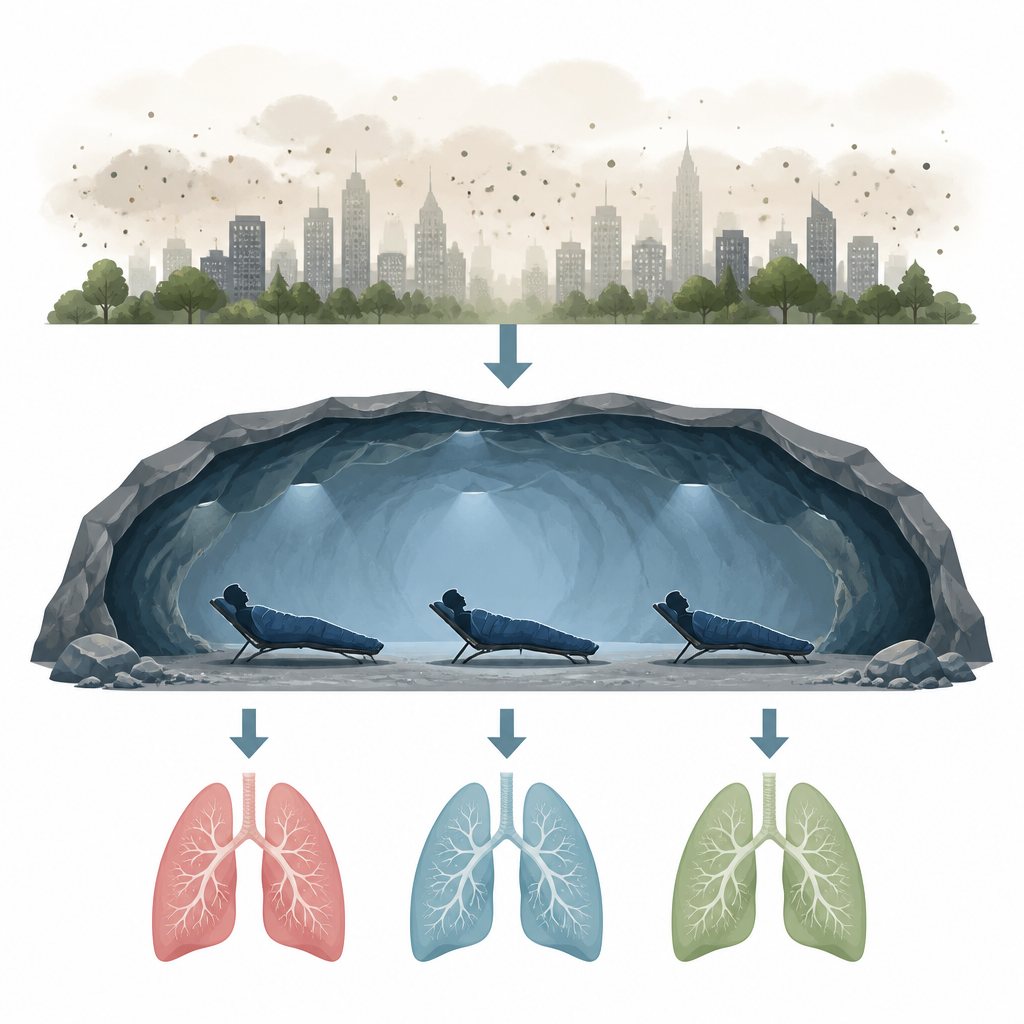
In speleotherapy centers across Germany, Austria, and Italy, patients lie in reclining chairs or sleeping bags deep inside former mines or caves for about two hours at a time. The air is cold, very clean, and slightly richer in carbon dioxide than outdoor air. In this trial, 208 adults with asthma, COPD, or long COVID were randomly assigned either to continue their usual medical treatment alone or to add a three week course of six cave sessions. Everyone kept their standard medications, while the cave group added this climate-based therapy so that any extra benefits could be attributed to the underground stay.
How the Study Measured Change
The team tracked several types of outcomes before treatment, right after the three week period, and again three months later. They tested lung function with standard breathing tests, measured respiratory muscle strength, and checked markers of airway inflammation in asthma. Just as important, they asked patients to fill out detailed questionnaires about symptom control, breathlessness, fatigue, sleep, anxiety, and overall quality of life. In a subset of caves they also monitored levels of carbon dioxide in the air, in exhaled breath, and in blood to see whether the underground climate affected how people ventilated their lungs.
What Happened for Asthma, COPD and Long COVID
For people with asthma, the main laboratory marker of airway inflammation did not change, suggesting the therapy did not directly switch off the underlying allergic process. Still, asthma control and asthma related quality of life improved to an extent considered clinically meaningful, and breathing tests showed small but statistically detectable gains, especially in younger participants. Breathing muscles became stronger and signs of dysfunctional breathing patterns lessened. In COPD, lung function did not improve, but patients reported fewer symptoms on a widely used questionnaire, indicating that they felt better even if test results stayed the same.
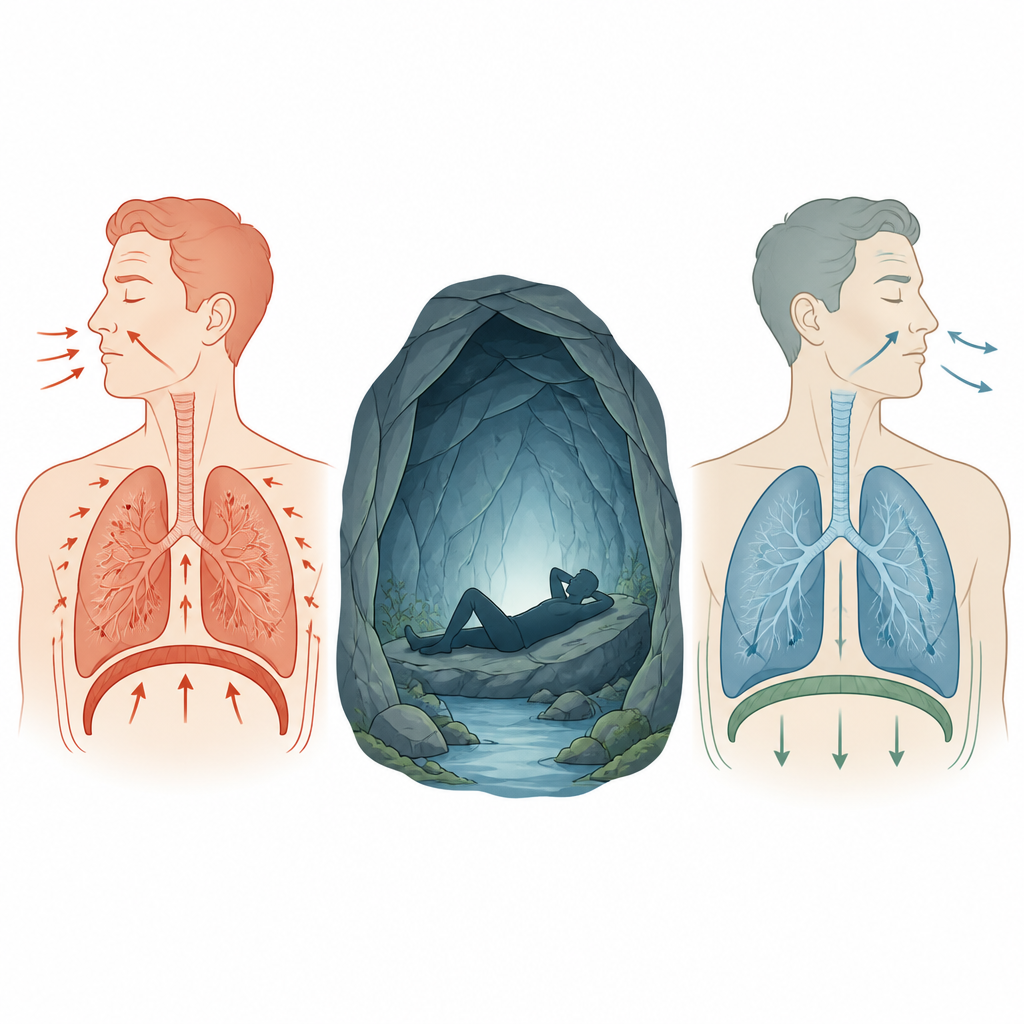
Among those with long COVID, breathing tests again did not show clear improvement, but people reported easier breathing, less fatigue over time, and fewer problems with stair climbing, anxiety, and sleep. Across all three diseases combined, the speleotherapy group showed stronger breathing muscles and less dysfunctional breathing than the control group. In caves with higher carbon dioxide levels, measurements in exhaled air and blood rose during therapy, while breathing rates tended to drop, hinting at a gentle recalibration of how people regulate their breathing.
Possible Reasons for the Benefits
Several features of the cave environment may work together to produce these effects. The air is almost free of dust, pollen, and spores, removing common irritants from each breath. It is cold and very humid, but warms up inside the airways, which may help draw fluid away from swollen airway walls and clear mucus. The stillness, coolness, and slightly higher carbon dioxide content likely encourage slower, deeper breathing and relaxation of the breathing muscles. This combination may not dramatically change basic lung capacity, but it appears to help people use their lungs more efficiently and feel more in control of their breathing.
What This Means for People with Chronic Breathing Problems
The study suggests that adding speleotherapy to standard medical care can modestly improve how adults with asthma, COPD, or long COVID feel and breathe, with few side effects. The objective changes in lung function were small and should be interpreted cautiously, but reductions in symptoms, better quality of life scores, and more efficient breathing patterns point to a real benefit for many participants. For now, cave therapy should be viewed as a supportive option rather than a replacement for regular treatment, and the authors call for further research to clarify how the underground climate influences nerves, muscles, and airways over the long term.
Citation: Schwarz, J., Eicke, M., Schwedler, N. et al. A randomized controlled trial of adjunctive speleotherapy in asthma, COPD and long COVID. Sci Rep 16, 15986 (2026). https://doi.org/10.1038/s41598-026-52301-4
Keywords: speleotherapy, asthma, COPD, long COVID, breathing therapy