Clear Sky Science · en
Dietary behaviors, energy intake, and assessment of school lunch consumption in Thai children with autism
Why this matters for families and schools
Many families of children with autism notice everyday struggles around food: strong likes and dislikes, battles at the dinner table, and packed school lunches that come home barely touched. This study from Bangkok, Thailand, takes a close look at how children with autism eat at home and at school, how much nutrition they actually get, and how this affects their health. The findings help explain why children with autism can be both overweight and undernourished at the same time, and what caregivers and schools can do about it.
Who the children were and what the researchers did
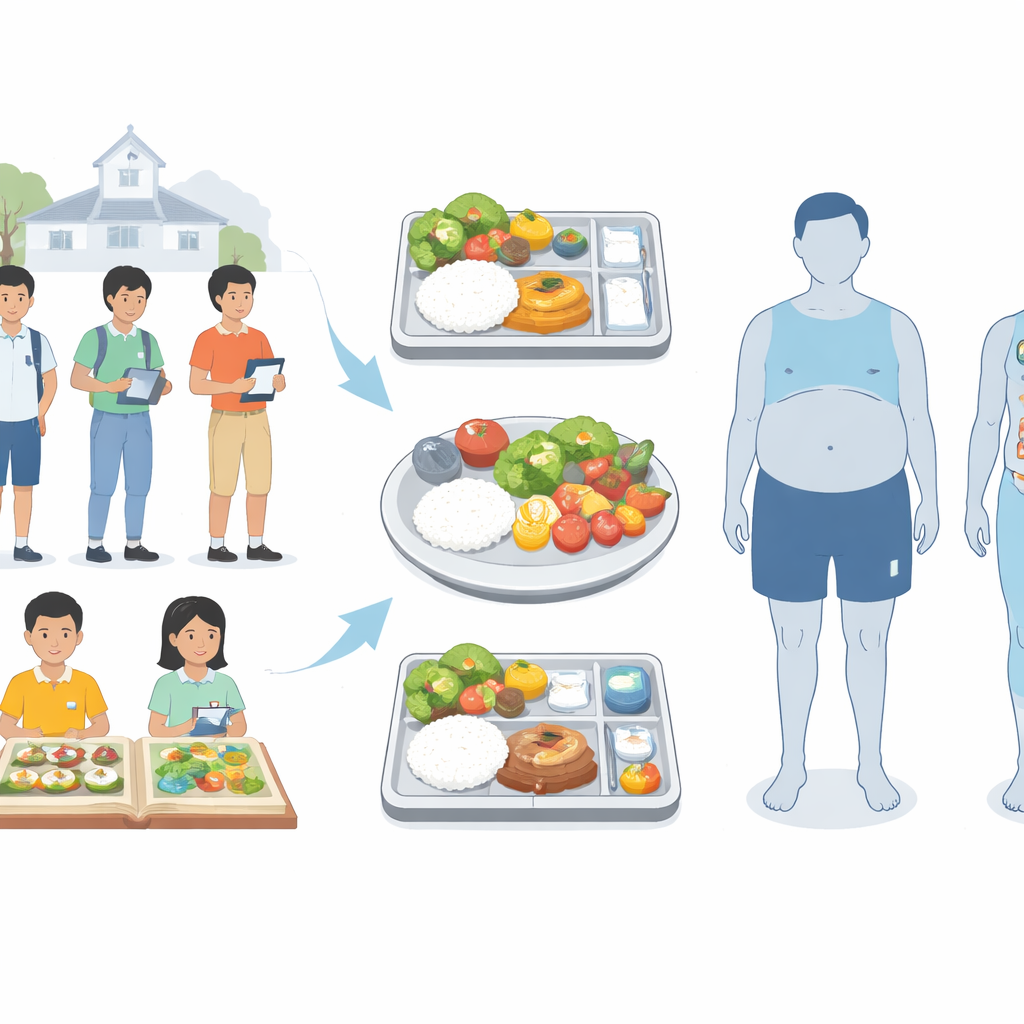
The researchers followed 47 children with autism, ages 6 to 13, who attended a special education school in Bangkok. They measured each child’s height and weight to see whether they were underweight, at a healthy weight, or overweight. Parents recorded everything their child ate over three days, including two weekdays and one weekend day, with help from trained dietitians. At school, the team carefully weighed the lunches before and after the children ate, so they could tell exactly how much food—and which types of food—were really consumed rather than just served.
Weight problems hidden behind picky eating
One of the most striking findings was that more than half of the children had excess weight: about 16% were overweight and 40% were obese, while none were underweight. These rates are far higher than national averages for Thai children. Yet when the researchers looked at what the children actually ate, total energy intake was below national recommendations, especially for carbohydrates and healthy fats. This points to a kind of “hidden hunger,” where body weight suggests plenty of food, but the diet is still unbalanced and short on important nutrients that support growth and brain development.
Daily food patterns and strong food preferences
Most children ate three main meals a day, usually home‑cooked, and many could feed themselves. But their food choices were narrow. Only about half met the suggested amount of staple foods like rice and noodles. Even more concerning, three out of four children ate too few vegetables, and about six in ten did not get enough fruit. Iron‑rich foods such as liver or blood‑based dishes were rarely eaten, and few children took iron supplements. Milk and dairy intake was also low. At the same time, most children frequently chose fatty meats, sugary snacks, sweet drinks, and bakery items. These patterns are consistent with known sensory sensitivities in autism, where textures, colors, and smells can drive strong acceptance or rejection of foods.
What really happens at school lunch
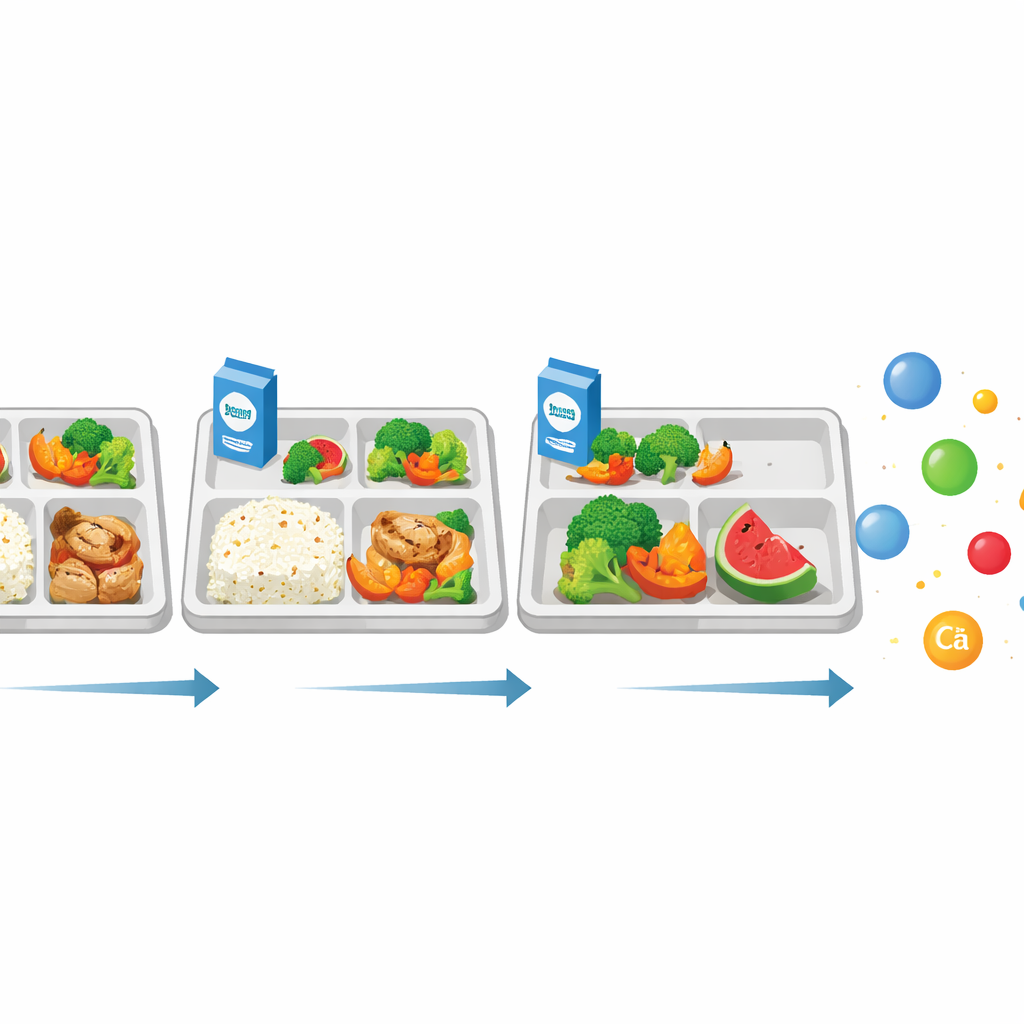
School lunches in Thailand are designed to provide roughly one‑third of a child’s daily nutrition, with rice, vegetables, meat, and fruit planned to match national guidelines. In this study, the meals served were indeed fairly balanced on paper. But the weighing method revealed that children with autism ate only about 28% of the energy on their plates. They left behind much of the vegetables, fruits, and protein‑rich items, which meant that important vitamins and minerals such as calcium, vitamin A, iron, zinc, and fiber were especially low in what they actually consumed. Only vitamin C intake was relatively preserved, likely from more acceptable fruits or juices. The uneaten food translated directly into large nutrient gaps, despite well‑intentioned menus.
Why eating is so hard and what can help
Observations during mealtimes showed that many children reacted strongly to mixed textures, strong smells, and unfamiliar appearances. Some had stomach or digestion problems, or difficulty sensing hunger and fullness, making predictable eating even harder. Social and environmental factors in the noisy school cafeteria added to the challenge. The authors argue that simply offering standard “healthy” meals is not enough. Instead, they call for tailored approaches that adapt the look, feel, and texture of school meals to children’s sensory needs, provide patient support during eating, and involve parents, teachers, and health professionals working together.
What this means for children with autism
This study shows that Thai children with autism can face a double burden: they are more likely to be overweight while still missing key nutrients their bodies and brains need. The problem is not only how much they eat, but what they are willing and able to eat. By reshaping school lunches, offering more acceptable versions of vegetables, fruits, and protein‑rich foods, and coaching families on gentle ways to expand food variety at home, it may be possible to improve health, growth, and daily functioning. In short, thoughtful, coordinated support around mealtimes could turn food from a source of stress into a foundation for better development.
Citation: Chusak, C., Pongpankhae, P., Sukcharoen, C. et al. Dietary behaviors, energy intake, and assessment of school lunch consumption in Thai children with autism. Sci Rep 16, 10717 (2026). https://doi.org/10.1038/s41598-026-46215-4
Keywords: autism and nutrition, selective eating, school lunch, childhood obesity, Thai children