Clear Sky Science · en
Association of angiotensin converting enzyme type 2 serum level and gene polymorphisms with multiple sclerosis
Why this matters for people living with MS
Multiple sclerosis (MS) often strikes in the prime of life, yet doctors still lack simple blood tests that reliably flag who has the disease or who is at higher risk. This study explores whether a molecule best known from blood pressure biology—angiotensin-converting enzyme 2 (ACE2)—and tiny inherited differences in its gene might help identify MS and shed light on why some people are more vulnerable than others.
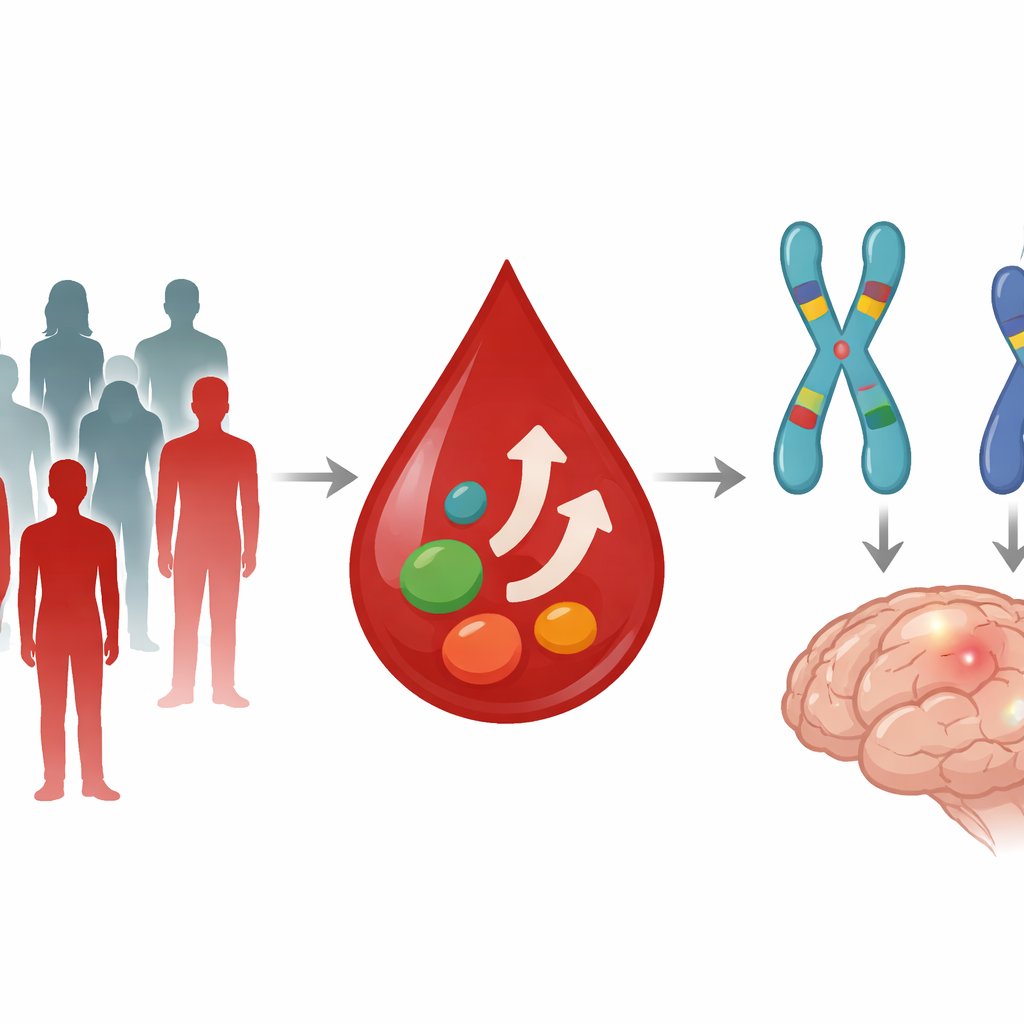
A blood pressure enzyme steps into brain disease
ACE2 is part of the body’s renin–angiotensin system, a hormone network famous for regulating blood pressure and salt balance. In recent years, scientists have realized this system also influences inflammation in the brain and spinal cord. ACE2 in particular tends to play a protective, calming role, helping to limit damage to nerve cells and to maintain the blood–brain barrier that shields the brain from harmful immune cells. Because MS is driven by misdirected immune attacks on nerve insulation, the researchers wondered whether ACE2 in the bloodstream might behave differently in people with MS.
Comparing patients and healthy volunteers
The team studied Jordanian adults with MS and healthy people of similar age and sex. For one part of the project, they measured ACE2 levels in blood samples from 88 MS patients and 87 controls using a standard laboratory test. For the second, much larger part, they analyzed DNA from nearly 500 MS patients and just over 500 healthy volunteers to examine two common genetic variations (called rs2074192 and rs2285666) in the ACE2 gene, which sits on the X chromosome. Because men have one X chromosome and women have two, the researchers used special statistical methods that handle this difference correctly.
What the blood test revealed
ACE2 levels in the blood were clearly higher in people with MS than in healthy participants. When the researchers adjusted for age, sex, and body mass index, this difference remained strong. They then asked how well ACE2 alone could tell patients and healthy people apart. Using an analysis similar to testing a medical screening tool, they found that ACE2 had “fair” power to discriminate between the two groups, with a cut-off level that balanced sensitivity and specificity reasonably well. The results suggest that ACE2 could contribute to a future diagnostic panel for MS, though it is not accurate enough to be used on its own.
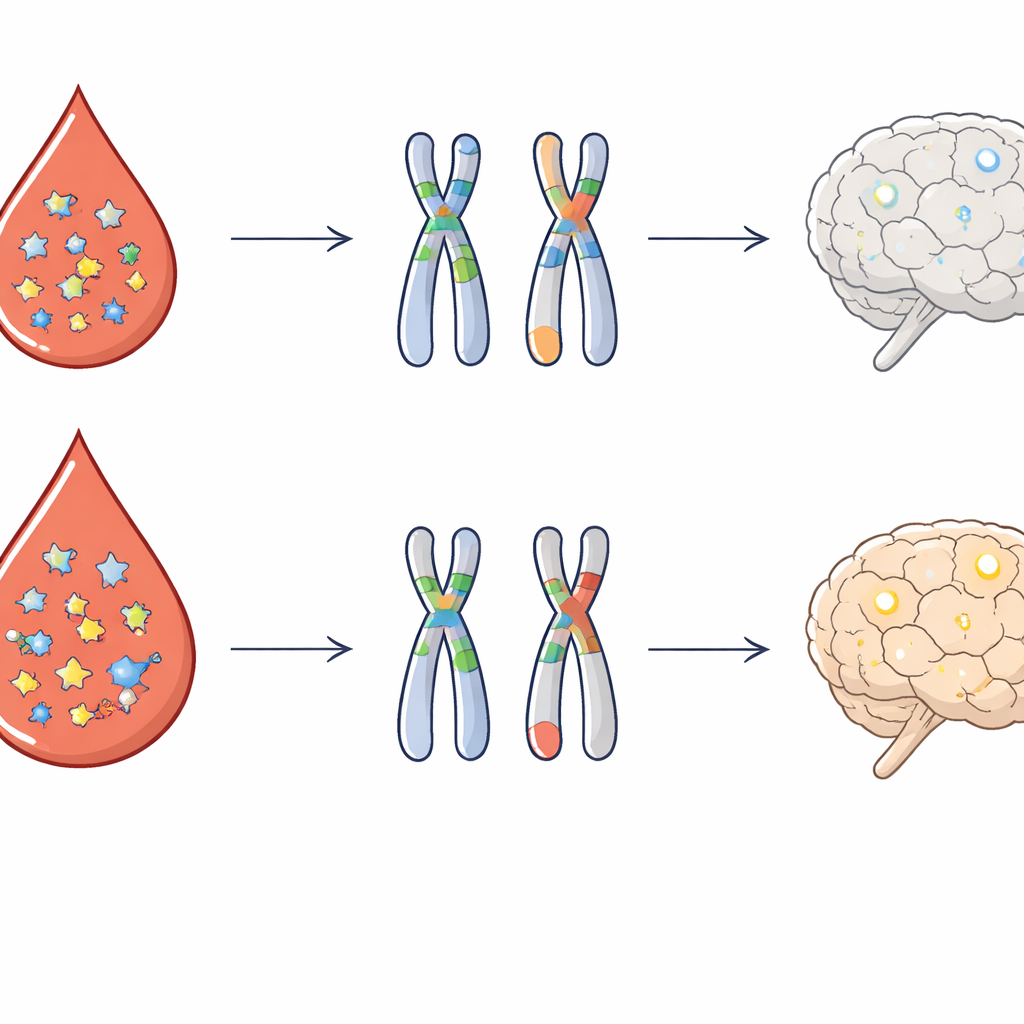
Hidden genetic differences in an X‑linked gene
The DNA analysis showed that certain ACE2 gene versions were more frequent in MS patients than in healthy controls. For rs2074192, one particular genotype and its associated “T” form of the variant were linked to a higher chance of having MS. For rs2285666, another genotype and its “C” form showed a similar association with MS. When the two sites were considered together as haplotypes—combinations inherited as a block—some patterns appeared more often in patients and others more often in controls, indicating that ACE2 is a susceptibility gene for MS in this population. The study also found that these gene variants related to clinical features: one variant was tied to greater disability scores, and another was linked to whether patients were receiving disease‑modifying treatment.
Clues from sex differences and future directions
Because ACE2 lies on the X chromosome, the researchers looked closely at differences between men and women. Women with MS had higher ACE2 levels in their blood than men with MS, while among healthy volunteers the pattern was reversed. This sex-specific behavior may help explain why MS is more common in women but can sometimes be more severe in men. Importantly, however, the study did not find a direct link between ACE2 blood levels and the genetic variants themselves, hinting that other regulatory mechanisms are involved. The authors note that their protein measurements were done in a relatively small group and at a single time point, so longer-term studies with more participants are needed.
What this means for patients and families
In plain terms, people with MS in this Jordanian cohort had higher levels of a protective blood enzyme and carried certain versions of its gene more often than healthy individuals. Together, these findings suggest that ACE2 is involved in the biology of MS and could become part of future tools for diagnosis and risk assessment. While this single study will not change clinical practice overnight, it adds an important piece to the MS puzzle and points researchers toward new ways of predicting, monitoring, and perhaps eventually treating this complex disease.
Citation: Al-Keilani, M.S., Abdelrazeq, H.M., Hendi, N.N. et al. Association of angiotensin converting enzyme type 2 serum level and gene polymorphisms with multiple sclerosis. Sci Rep 16, 10690 (2026). https://doi.org/10.1038/s41598-026-46187-5
Keywords: multiple sclerosis, ACE2, biomarkers, genetic polymorphisms, autoimmune neurology