Clear Sky Science · en
Impact of thiamin supplementation on thiamin pyrophosphate effect and cardiac function in pediatric heart disease patients on diuretics: a randomized controlled trial
Why this matters for children with heart problems
Children with serious heart conditions often take water pills to remove excess fluid and ease the workload on their hearts. These medicines can save lives, but they may also wash out key vitamins the body needs for energy. This study asked a practical question for families and doctors: should children on these medicines routinely get extra vitamin B1, also called thiamin, to protect their hearts, and if so, how much might be enough?
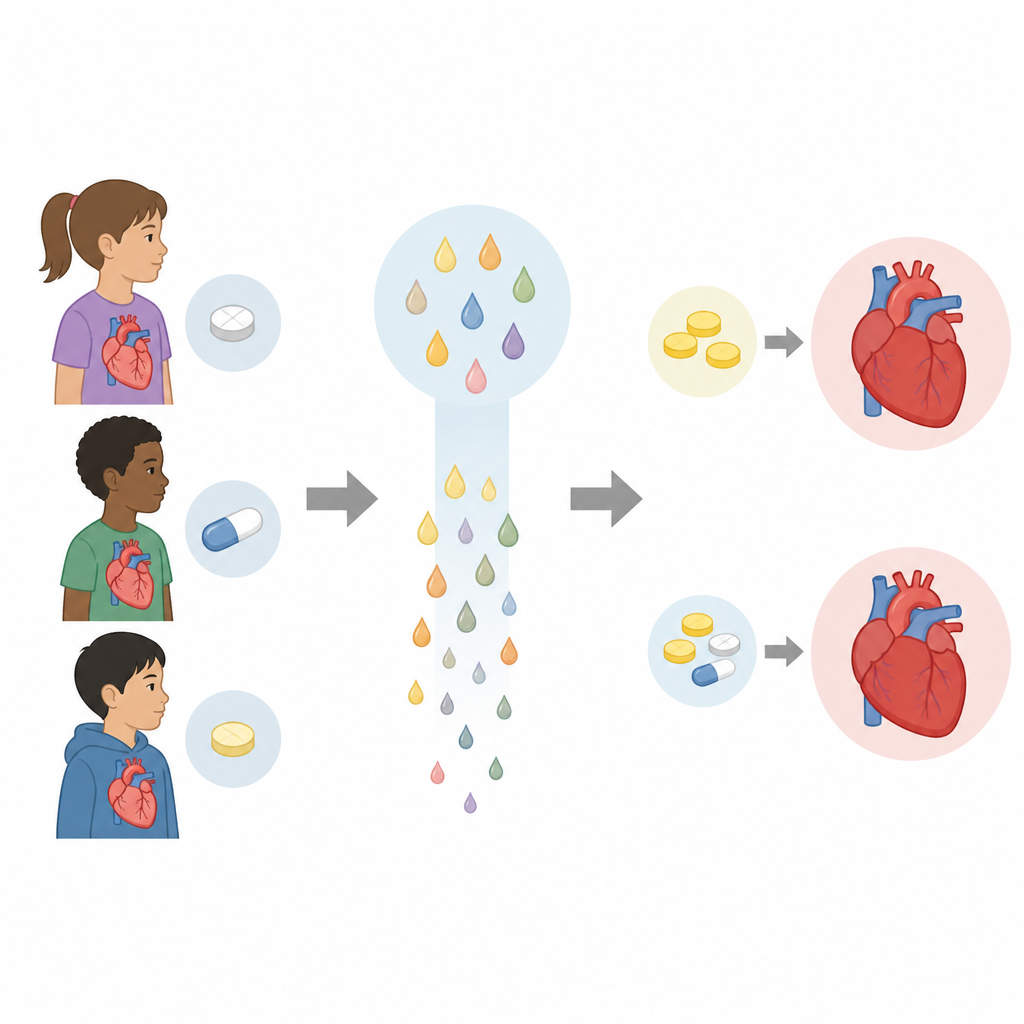
The role of a small vitamin in heart energy
Thiamin is a water soluble vitamin that helps the body turn food into usable energy. It supports several chemical pathways that feed the heart muscle with fuel. Because the body stores very little thiamin and extra amounts leave in the urine, people must get it regularly from food. When levels fall too low, the body can develop a condition called thiamin deficiency, which in severe cases weakens the heart and can lead to fluid buildup and breathing trouble. Water pills such as furosemide increase urine flow, raising concern that they might speed up the loss of this vitamin in children whose hearts are already under strain.
How the study in children was set up
To explore this, researchers in Thailand ran a careful clinical trial in children aged one month to 15 years who had heart disease with extra blood flow to the lungs or signs of heart failure and who had been on water pills for at least a month. The team randomly assigned 45 children to receive either a daily low dose of thiamin, a higher dose, or a look alike placebo for four weeks. Neither the families, the doctors, nor the study staff knew who was in which group until the trial ended. Before and after the four week period, the researchers measured the children’s thiamin status using a blood test and checked how well their hearts pumped using an ultrasound measure called left ventricular ejection fraction.
What the researchers found in vitamin levels
At the start of the study, one in five children already showed signs of thiamin deficiency, although none had severe heart failure symptoms linked directly to it. Many of the children were smaller than average for their age, and those who were short for age or who ate less thiamin were more likely to be low in this vitamin. After four weeks, however, the average change in the thiamin blood test was similar in all three groups, including the placebo group. The low and higher dose supplements did not clearly improve overall vitamin status compared with no extra thiamin, although every child who started out deficient and received thiamin no longer met the deficiency threshold at the end.
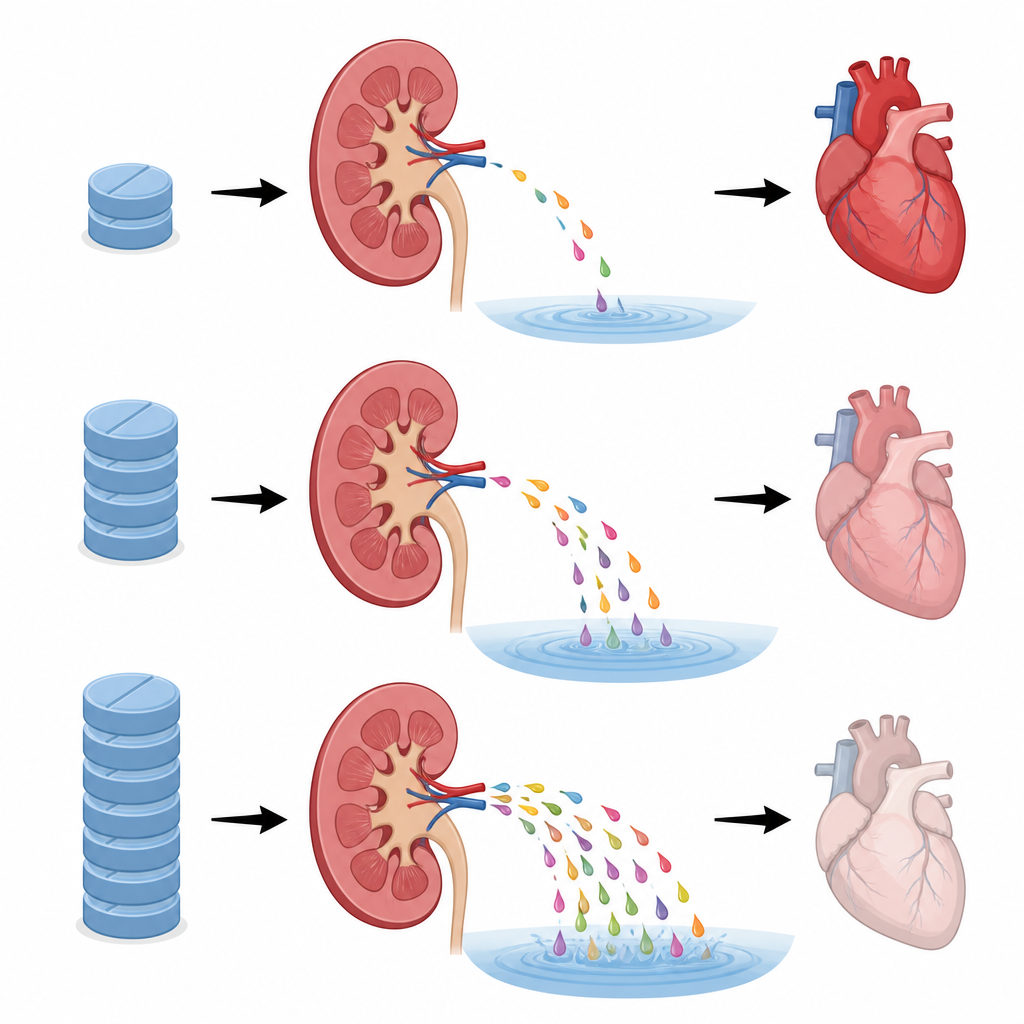
Heart pumping and the effect of water pill dose
The team also found no meaningful differences in heart pumping strength between the three groups over the short four week window. Most children entered the study with heart function already in the normal range, leaving little room for improvement. A different pattern emerged when the researchers looked at the dose of the water pill furosemide. Children taking higher doses of this drug tended to show a worsening of their thiamin blood test over time, suggesting that the medicine itself may be linked to lower vitamin levels regardless of whether they received the modest supplement doses used in the trial.
What this means for families and doctors
This study suggests that small daily doses of thiamin, similar to those used here, do not by themselves boost heart pumping or clearly improve vitamin status in most children with heart disease on water pills, especially when many already drink thiamin fortified milk. At the same time, the link between higher furosemide doses and poorer thiamin status highlights that vitamin loss is a real concern in this group. The authors conclude that regular screening for thiamin deficiency is important and that some children, particularly those found to be deficient or taking higher amounts of water pills, may need larger thiamin doses than 50 milligrams a day to restore healthy levels.
Citation: Sumboonnanonda, R., Vijarnsorn, C., Saengpanit, P. et al. Impact of thiamin supplementation on thiamin pyrophosphate effect and cardiac function in pediatric heart disease patients on diuretics: a randomized controlled trial. Sci Rep 16, 14809 (2026). https://doi.org/10.1038/s41598-026-45100-4
Keywords: thiamin deficiency, pediatric heart disease, diuretics, furosemide, vitamin B1