Clear Sky Science · en
Experiences and opinion of medical professionals regarding the use of telemedicine tools in management of patients with chronic diseases: a cross-sectional survey
Why your doctor’s visit may now happen from the couch
Getting to the doctor’s office can be a real challenge for people living with long‑lasting illnesses, especially if they are older, live far from clinics, or tire easily. Phone calls and video visits promise care without the commute, but only if the medical staff who run the system believe it works. This study looked inside one large Polish hospital to find out what doctors, nurses, paramedics, and other professionals really think about telemedicine for people with chronic diseases—and what still holds them back from using it more widely.
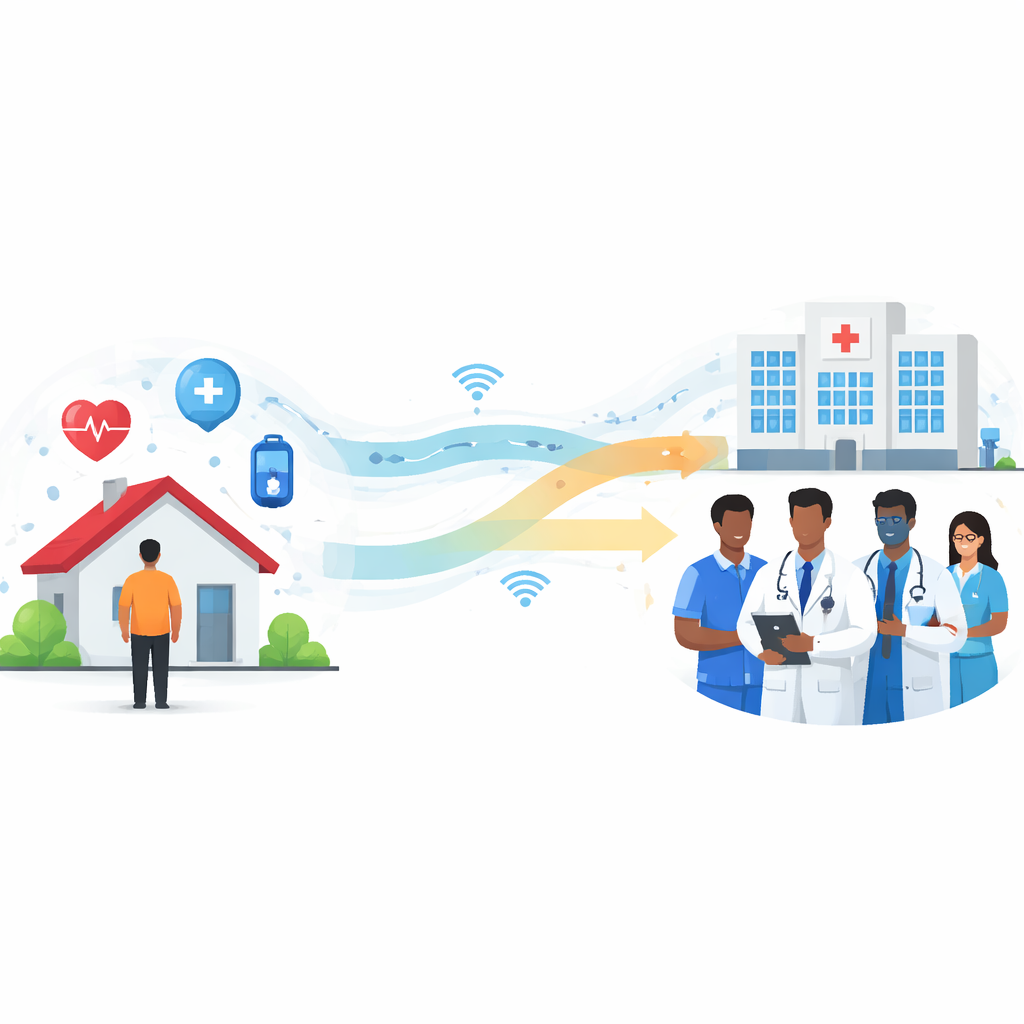
Who was asked and what they were using
The research team surveyed 237 staff members at the 4th Military Clinical Hospital in Wrocław, including physicians, nurses, paramedics, physiotherapists and others involved in caring for patients with long‑term conditions. More than half of them had already used telemedicine, most often for video consultations, follow‑up check‑ins, adjusting medicines, and keeping records up to date. Paramedics, primary‑care doctors and medical specialists were the most experienced groups, while physiotherapists and some other roles reported far less exposure. Staff with telemedicine experience tended to be slightly older and to spend more time online each day, hinting that both professional role and digital habits shape who becomes an early adopter.
High hopes but uneven enthusiasm
When asked about their expectations, most participants believed telemedicine could make it easier for patients with chronic diseases to reach specialists, shorten waiting times, and use scarce staff time more efficiently. Standardized question sets showed overall optimism about its potential, and the tools used to measure attitudes proved highly consistent and reliable. Yet enthusiasm was not uniform. Paramedics in particular scored telemedicine as less useful than other groups, likely because their work leans heavily on hands‑on assessment in emergencies. Interestingly, staff who used telemedicine only occasionally were more positive than those who used it more often, suggesting that repeated real‑world experience exposes both strengths and flaws.
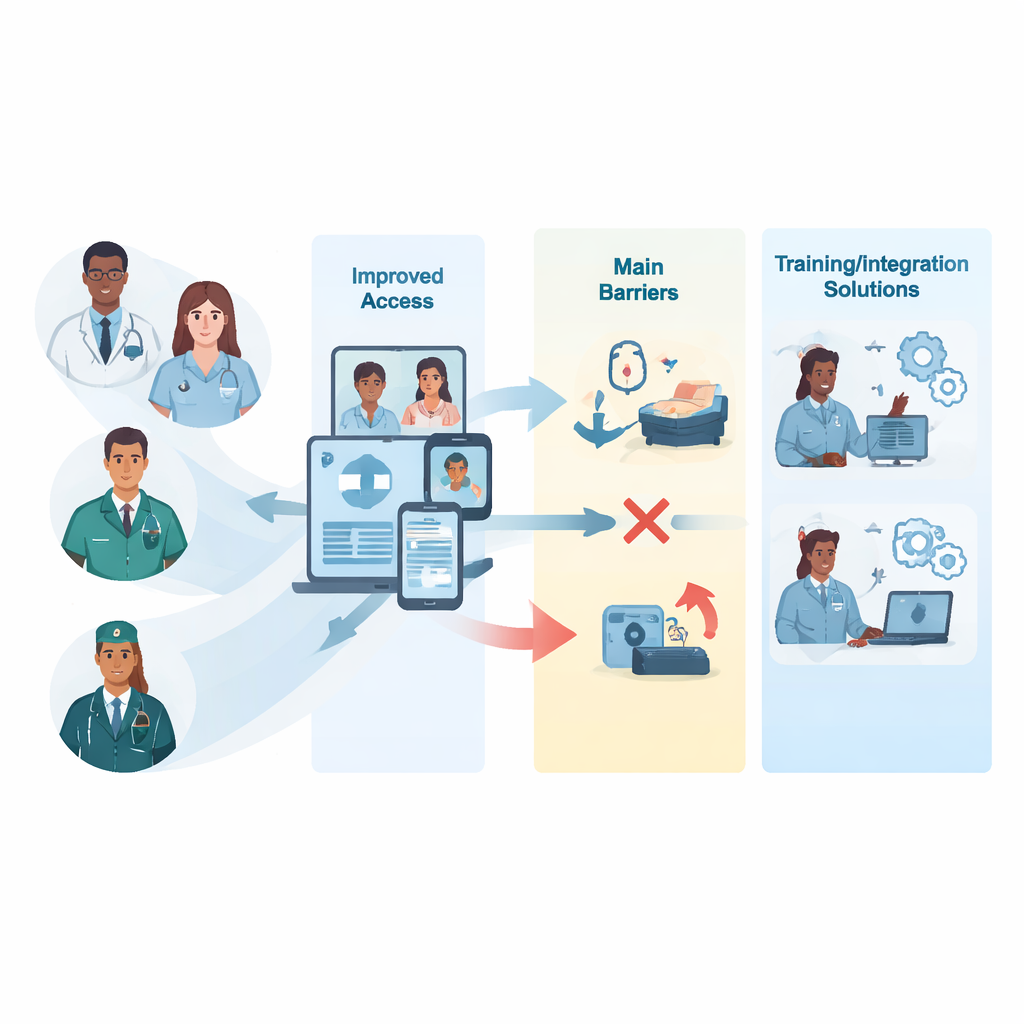
What gets in the way of virtual care
Despite the appeal of remote monitoring and easier access, several obstacles loomed large. The most frequently cited problem was the inability to perform a physical examination through a screen—an issue flagged by nearly three‑quarters of respondents, and especially important for fields that rely on touch, such as orthopedics or emergency care. Many also worried about poor internet connections, inadequate equipment, hearing or vision problems on the patient’s side, and difficulty starting care without ever meeting in person. Staff mentioned gaps in their own training with digital tools and concern over data security, though these issues were somewhat less prominent than simple logistics and the loss of in‑person contact.
Different jobs, different views
The study highlighted how opinions depend strongly on professional role. Internists and general practitioners, who often manage long‑term follow‑up and medication adjustments, tended to rate telemedicine more favorably. Paramedics and some surgical and orthopedic specialists were more cautious, reflecting the importance of bedside examination and quick, physical interventions in their daily work. Still, the more experience people had with telemedicine overall, the higher their expectations of its future benefits. This pattern suggests that thoughtful exposure and good support can shift attitudes over time, but only if the tools fit the realities of each specialty.
What needs to change for telemedicine to stick
For patients with chronic diseases, the message from this hospital is clear: remote care can significantly improve access and convenience, but it is not yet a full replacement for in‑person visits. The authors conclude that the best path forward is a hybrid model that blends traditional appointments with telemedicine check‑ins, supported by better training for staff, stronger digital infrastructure, and clear rules and protections. If these gaps are addressed and systems are tailored to different professional roles, telemedicine could move from an emergency workaround to a stable, trusted part of everyday care for people living with long‑term illness.
Citation: Jankowska-Polańska, B., Zgliczyński, W.S., Wywrot, M. et al. Experiences and opinion of medical professionals regarding the use of telemedicine tools in management of patients with chronic diseases: a cross-sectional survey. Sci Rep 16, 12664 (2026). https://doi.org/10.1038/s41598-026-42687-6
Keywords: telemedicine, chronic disease care, digital health, remote consultation, healthcare workforce