Clear Sky Science · en
The association between medicinal herbs consumption and body weight and composition: a hospital based cross-sectional study
Why your cup of herbal tea might matter
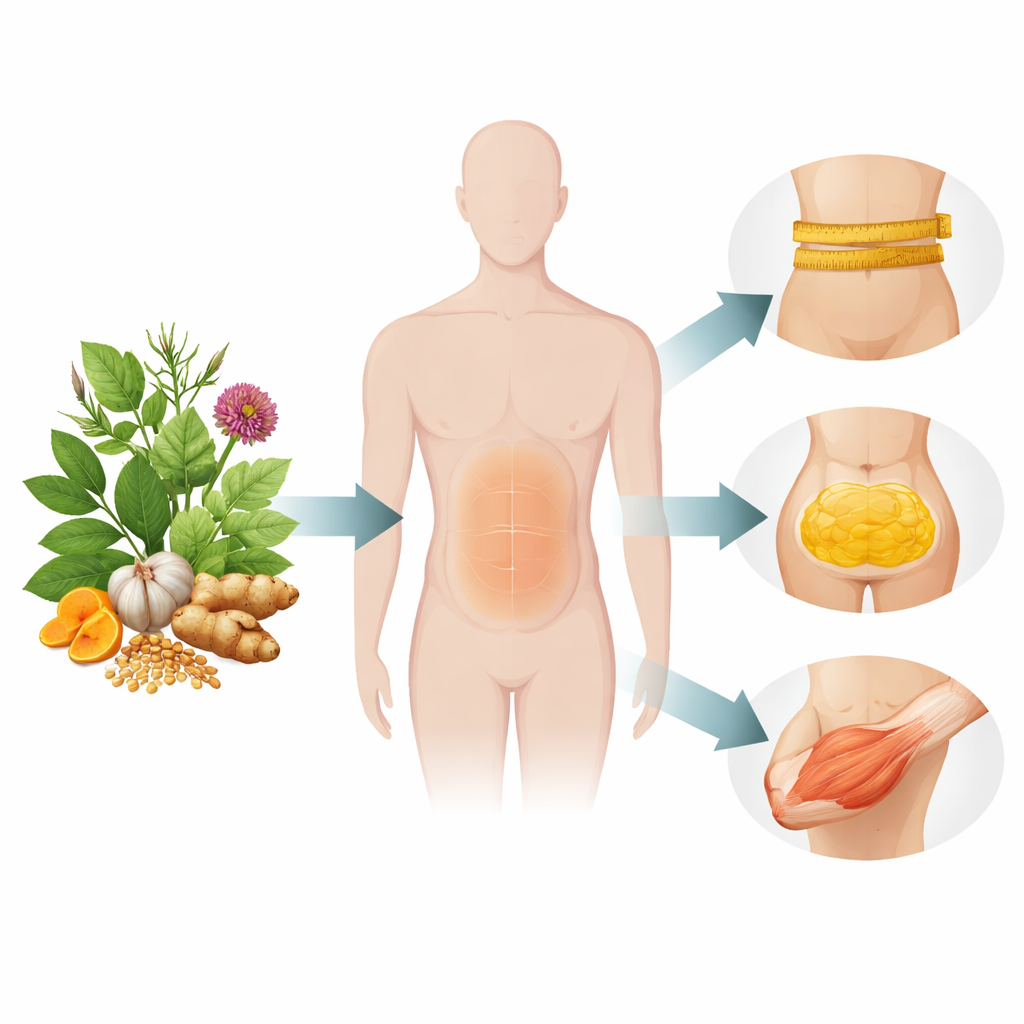
Many people reach for herbal teas and spices like cinnamon, chamomile, or saffron believing they are gentle, natural ways to support health and even weight loss. This study looked at whether such everyday herbs are actually linked with body weight, belly fat, and muscle in real patients being treated for serious heart problems. The findings suggest that some herbs may be associated with more body fat, others with less, and a few with higher muscle mass—though the story is complex and far from settled.
Looking at herbs in real-world patients
Researchers in Iran examined 662 adults between 35 and 75 years old who were undergoing coronary angiography, a procedure that checks blood flow in the heart’s arteries. These patients answered detailed questions about how often they used a variety of medicinal herbs—ranging from cinnamon and fennel to saffron, chamomile, sumac, and several types of mint. Their weight, height, waist size, body fat, visceral fat (fat around internal organs), and skeletal muscle were measured with standard tools and a body-composition scale. The team then used statistical methods to see how herb use related to these body measures, while also accounting for factors such as age, sex, physical activity, smoking, income, and education.
Spices tied to more or less body fat
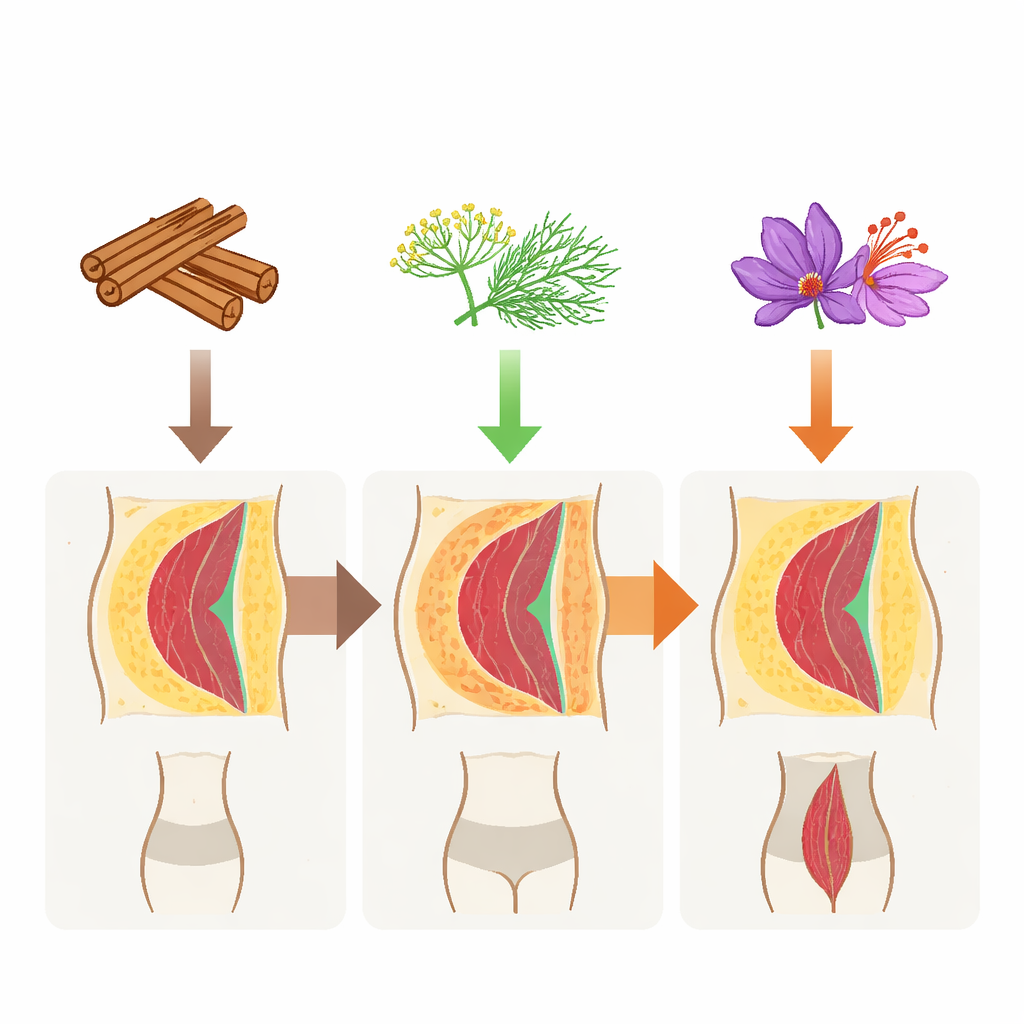
The results revealed several noteworthy patterns. People who reported using saffron weekly or daily tended to have higher body mass index (BMI) and were more likely to have abdominal obesity, based on waist circumference, even after adjusting for many lifestyle and health factors. Those who consumed fennel (Foeniculum vulgare) more often had larger waists. In contrast, frequent cinnamon consumers showed a lower percentage of visceral fat, the deep belly fat that is particularly harmful for heart health. Sumac, another traditional spice, was linked with a higher percentage of visceral fat, while higher use of caraway (Carum carvi) was associated with a greater overall body fat percentage. These relationships do not prove cause and effect, but they hint that different herbs may track with very different body-composition profiles.
Herbs and muscle, not just fat
The study also explored how herbs relate to muscle. Some plants were associated with more skeletal muscle mass, which is important for strength, metabolism, and long-term health. People who consumed pennyroyal mint (Mentha pulegium) weekly or daily had a higher percentage of skeletal muscle. Being in the middle use range for chamomile (Matricaria chamomilla) or lavender (Lavandula angustifolia) was also tied to more muscle. Interestingly, those who did not use caraway or chamomile at all had lower body fat percentages, suggesting that the same herb might relate differently to fat and muscle, or that other lifestyle habits cluster with herb use in complicated ways.
Why the links are not straightforward
Herbs like cinnamon and chamomile contain plant chemicals that laboratory and animal studies suggest can influence inflammation, blood sugar control, and fat storage. For example, cinnamon has been studied for improving insulin sensitivity and potentially helping reduce body fat, while chamomile’s flavonoids may affect pathways involved in energy use and fat formation. Yet the real-world picture is less clear. In this study, saffron—a spice sometimes promoted for weight control—was linked with higher BMI and belly size. The authors suggest one simple explanation: saffron is often used in rich, calorie-dense dishes and desserts, so the spice might just be a marker for higher-calorie eating rather than a cause of weight gain.
What this means for everyday choices
For lay readers, the key message is that herbs and spices are not magic bullets for slimming down or building muscle. In this group of heart patients, regular use of certain herbs was linked with more belly fat or higher body weight, while others were associated with less harmful fat or more muscle. Because this was a cross-sectional snapshot—looking at people at one point in time—it cannot show that any herb caused these differences, and important details such as exact doses and recipes were not captured. The study’s value lies in raising questions and guiding future research rather than providing firm rules for your kitchen. For now, herbs and spices can still be enjoyed as part of a balanced diet, but they should be seen as supportive flavors, not stand-alone solutions for weight control or heart health.
Citation: Arabi, V., Sasanfar, B., Darand, M. et al. The association between medicinal herbs consumption and body weight and composition: a hospital based cross-sectional study. Sci Rep 16, 11898 (2026). https://doi.org/10.1038/s41598-026-42069-y
Keywords: herbal medicine, obesity, body composition, cinnamon, saffron