Clear Sky Science · en
Effects of COVID-19 pandemic on incidence of asthma exacerbation in an urban population
Why this matters to everyday life
The COVID-19 pandemic reshaped nearly every part of daily life, from school and work to doctor visits. For people living with asthma—especially in crowded cities—the question has lingered: did the pandemic make asthma attacks better or worse in the long run, and for whom? This study tracks more than 160,000 children and adults with asthma in New York City’s Bronx borough over six years to reveal how the crisis changed asthma flare-ups and widened or preserved existing gaps between social and economic groups.
Who was studied and what was measured
Researchers examined electronic health records from the Montefiore Health System, which serves a large, racially diverse, and largely low-income urban community. They followed 162,113 people with asthma from March 2018 to February 2024, spanning two years before the pandemic, the chaotic first months of COVID-19, and the later pandemic years. For each person, they tracked whether they had at least one asthma exacerbation—a flare-up serious enough to be coded in the medical record—each year. They also looked at age, sex, race and ethnicity, insurance type, neighborhood income, and whether patients reported major unmet social needs such as housing problems, food insecurity, or lack of transportation.
How asthma patterns shifted during the pandemic
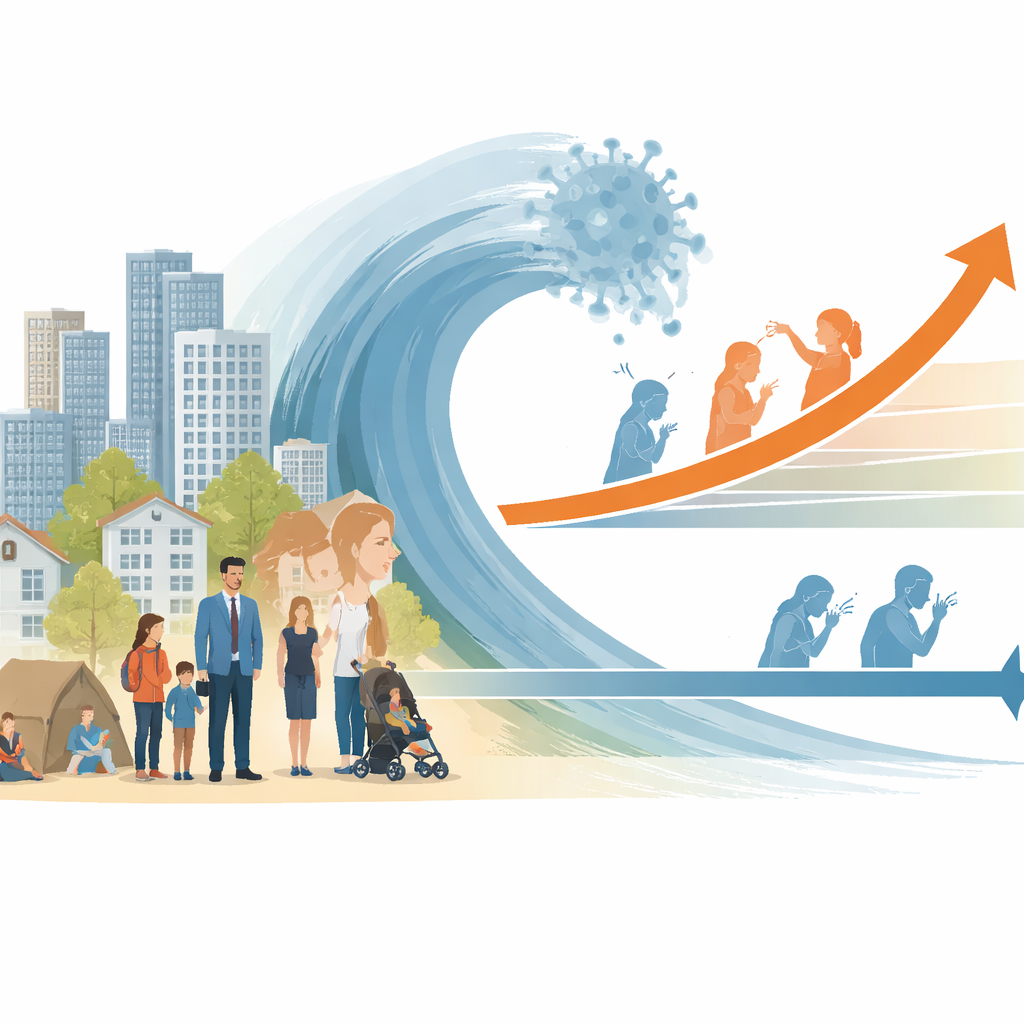
Before COVID-19, asthma flare-ups followed a familiar rhythm: spikes in the fall, lulls in early summer, with children having roughly double the exacerbation rate of adults. When the pandemic hit in March 2020, that pattern was suddenly interrupted. Both children and adults saw sharp, immediate drops in asthma attacks, likely due to lockdowns, school closures, masking, and fewer respiratory infections. Over time, though, the two age groups diverged. Children’s asthma attacks gradually crept back toward their pre-pandemic levels by about 2023, while adult flare-ups stayed noticeably lower than before, even as society reopened.
Who was already at higher risk
Even before the pandemic, the burden of asthma was not evenly shared. Black, Hispanic, and other non-White patients had higher odds of an asthma exacerbation than non-Hispanic White patients. Children, males, and people insured through Medicaid also faced elevated risk, as did those in certain middle-income neighborhoods and patients reporting at least one unmet social need. In contrast, people with Medicare coverage and those living in the very lowest income quartile appeared slightly less likely to have recorded exacerbations, a pattern that may reflect differences in care use rather than truly lower disease burden.
How inequalities changed in the COVID era
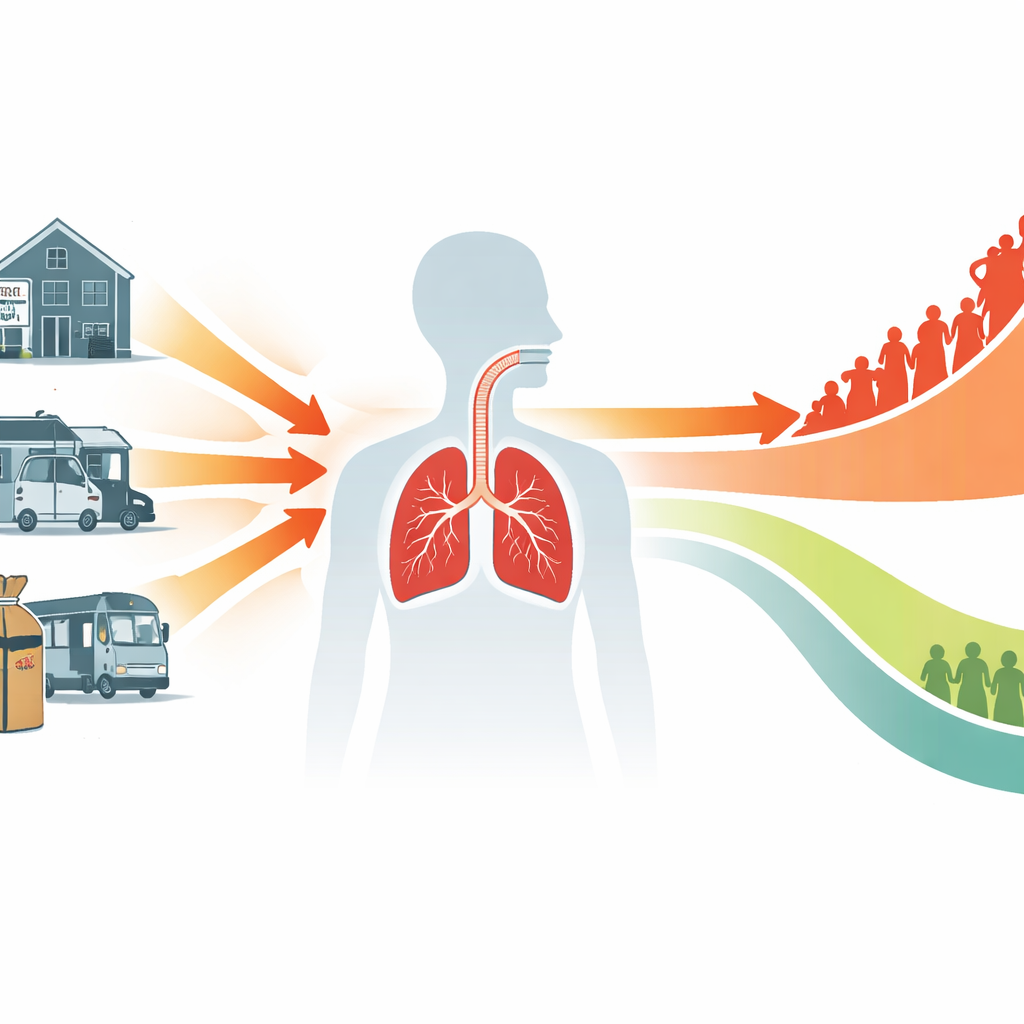
To see who was affected most by the pandemic shock, the team compared changes in risk before and after COVID-19 across these groups. Racial and ethnic gaps—while clearly present—did not significantly widen; disadvantage that existed before the pandemic largely persisted at the same relative level. In contrast, economic and social divides deepened. Patients on Medicaid, people living in lower or lower-middle income neighborhoods, and especially those with documented unmet social needs saw disproportionately larger increases in asthma flare-ups after the initial pandemic period compared with their better-off peers. Children also experienced a greater rebound in risk than adults. These patterns held up when the researchers repeated their analyses with different statistical approaches and time windows.
What this means for families and communities
For people living with asthma, this study offers a mixed message. On one hand, adults appear to have enjoyed a lasting reduction in severe flare-ups after the pandemic began, perhaps thanks to lasting behavior changes like improved hygiene, occasional masking, or more flexible work arrangements. On the other hand, the benefits were not shared equally. Families with lower income, public insurance, or pressing social needs such as unstable housing or trouble affording food faced a growing burden of asthma attacks as the pandemic wore on, and long-standing racial gaps did not close. The findings underscore that controlling asthma is about far more than inhalers and clinic visits: it also depends on safe housing, reliable transportation, and steady access to care. Policies that tackle these social and economic pressures are likely to be just as important as medical treatments in preventing asthma emergencies during future public health crises.
Citation: Henry, S.S., Duong, K.E., Cabana, M.D. et al. Effects of COVID-19 pandemic on incidence of asthma exacerbation in an urban population. Sci Rep 16, 10352 (2026). https://doi.org/10.1038/s41598-026-41311-x
Keywords: asthma, COVID-19, health disparities, social determinants of health, urban health