Clear Sky Science · en
Prevalence of nosocomial infections and antibiotic resistance patterns in Iranian hospitals over five years
Why infections picked up in hospitals matter to everyone
Most people enter a hospital to get better, not to face new dangers. Yet around the world, many patients acquire infections during their stay—often from the very devices and treatments meant to help them. This study from Iran takes a detailed look at how common these hospital infections are, which germs are responsible, and how well today’s antibiotics still work against them. Its findings reveal a troubling rise in hard‑to‑treat bacteria that has implications far beyond one country’s borders.
Taking the pulse of hospital infections
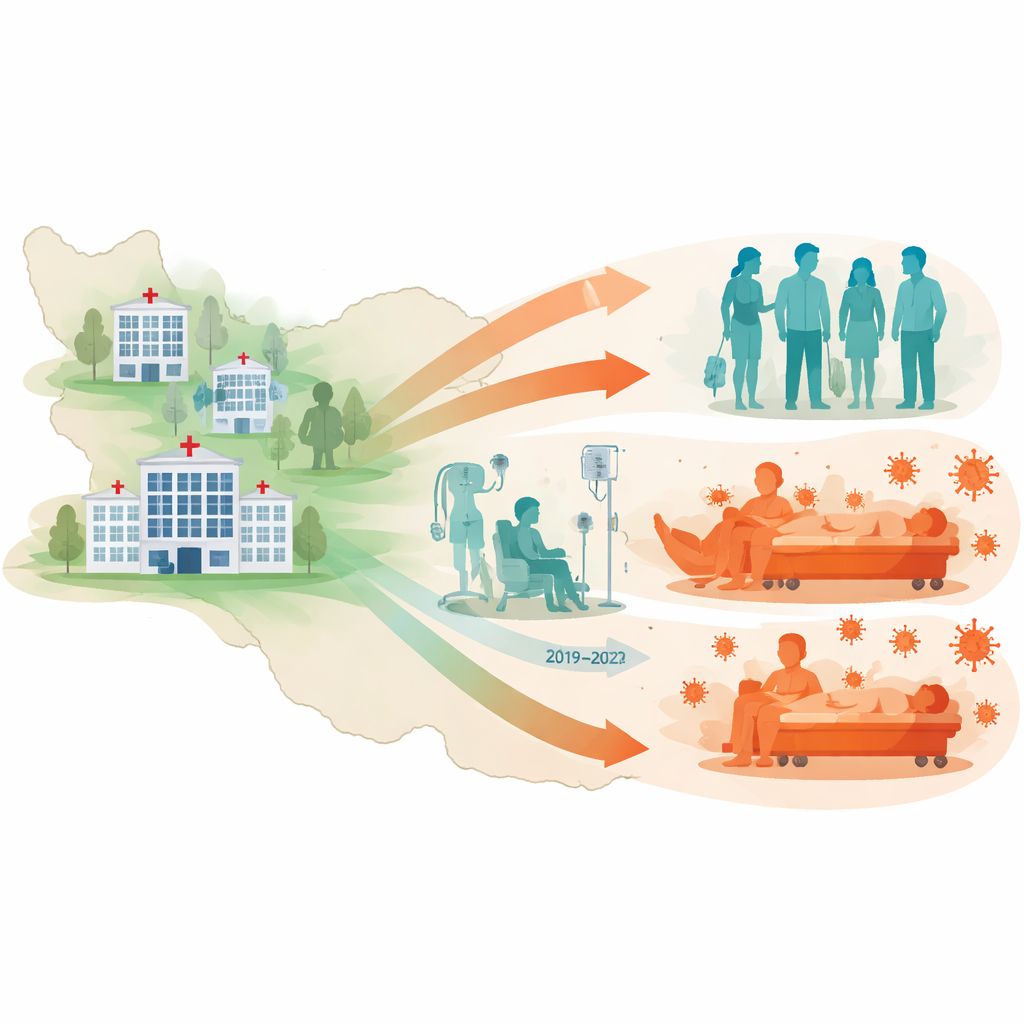
The researchers examined five years of data, from 2019 to 2023, collected from 38 hospitals across Isfahan Province in central Iran. Using a national surveillance system, they tracked when patients developed infections at least 48 hours after admission—an indication that the infection was acquired in the hospital rather than brought in from the community. They also recorded where patients were treated (such as intensive care units or surgical wards), their age and sex, the types of infections they developed, and the microbes involved. By combining these records with information on how many days patients spent in hospital, the team could estimate both how common the infections were and how deadly they became over time.
Where and in whom infections strike hardest
Overall, about 5 out of every 100 hospital patients developed a healthcare‑associated infection, and this proportion slowly crept upward over the study period. The risk was far from evenly spread. Intensive care units and transplant wards—where patients are more fragile and more likely to need breathing machines, catheters, or other invasive devices—had markedly higher infection rates than general wards. Some hospitals and counties showed persistently high levels, while others kept rates very low, hinting that local practices make a big difference. Age and sex also mattered: older adults, especially those over 65, were more likely to suffer ventilator‑related lung infections and urinary tract infections, while men were more prone to ventilator‑associated pneumonia and women to urinary infections.
The main types of infections and their toll
Urinary tract infections, pneumonia, and surgical site infections made up the bulk of hospital‑acquired illnesses. Infections linked to medical devices were particularly worrisome. Ventilator‑associated events were the most frequent device‑related problem and carried the highest risk of death, with roughly one in three affected patients dying. Catheter‑associated bloodstream infections and pneumonia also had substantial death rates, while surgical site infections, though common, were less often fatal. Across the five years, urinary infections increased and then plateaued, whereas the burden of severe lung and bloodstream infections remained stubbornly high.
The rise of difficult‑to‑treat bacteria
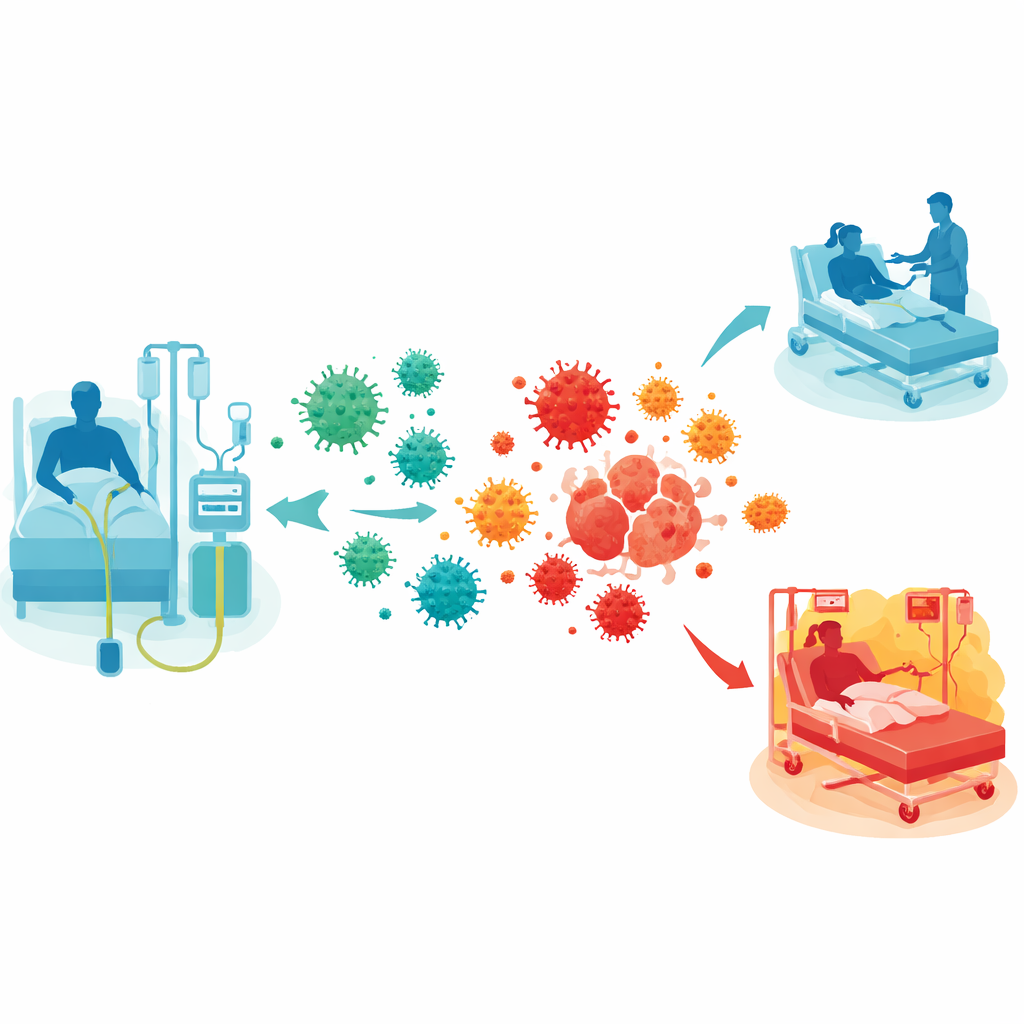
Behind these infections stood a familiar cast of dangerous microbes. Gram‑negative bacteria such as Acinetobacter baumannii, Klebsiella pneumoniae, Escherichia coli, and Pseudomonas aeruginosa dominated, alongside some staphylococcal species. Many of these germs showed striking resistance to multiple major antibiotic families. By 2023, over 70% of certain key pathogens could withstand third‑ or fourth‑generation cephalosporins and other frontline drugs. Acinetobacter species were especially alarming: more than 90% were resistant to carbapenems—often reserved as last‑resort antibiotics—and to several other drug classes, leaving only colistin as a largely effective option. Klebsiella also showed very high resistance to broad‑spectrum antibiotics. E. coli and Pseudomonas, while somewhat less resistant overall, still displayed upward resistance trends. Although methicillin‑resistant Staphylococcus aureus (MRSA) became slightly less common, other resistant organisms, including vancomycin‑resistant Enterococcus, remained prevalent.
What these findings mean for patients and health systems
For lay readers, the core message is stark: in these Iranian hospitals, a steady share of patients acquired infections, and an increasing fraction of the responsible bacteria can shrug off many of the drugs doctors rely on. Because these infections cluster in high‑risk units and often involve medical devices, they are both dangerous and, in principle, preventable. The authors argue that stronger infection‑control programs, more careful antibiotic use, better laboratory diagnostics, and closer national surveillance are urgently needed. Without such efforts, hospital stays could become increasingly risky, and once‑routine infections may again become life‑threatening, not only in Iran but wherever resistant bacteria can spread.
Citation: Beig, M., Sholeh, M., Nobari, R.F. et al. Prevalence of nosocomial infections and antibiotic resistance patterns in Iranian hospitals over five years. Sci Rep 16, 10136 (2026). https://doi.org/10.1038/s41598-026-40693-2
Keywords: hospital-acquired infections, antibiotic resistance, intensive care, multidrug-resistant bacteria, infection control