Clear Sky Science · en
Global burden and trends of cardiovascular disease attributable to low vegetable intake: a global burden of disease 1990–2021 analysis and projection to 2035
Why Vegetables Matter for Your Heart
Most people know vegetables are “good for you,” but it’s less obvious how much skipping them can shape the world’s leading killer: heart and blood vessel disease. This study pulls together data from nearly every country on Earth to ask a simple question with big consequences: how many lives are being lost because people don’t eat enough vegetables, and how is that changing over time? The answers show both progress and warning signs—and point to where better diets could save the most lives.
What the Researchers Set Out to Learn
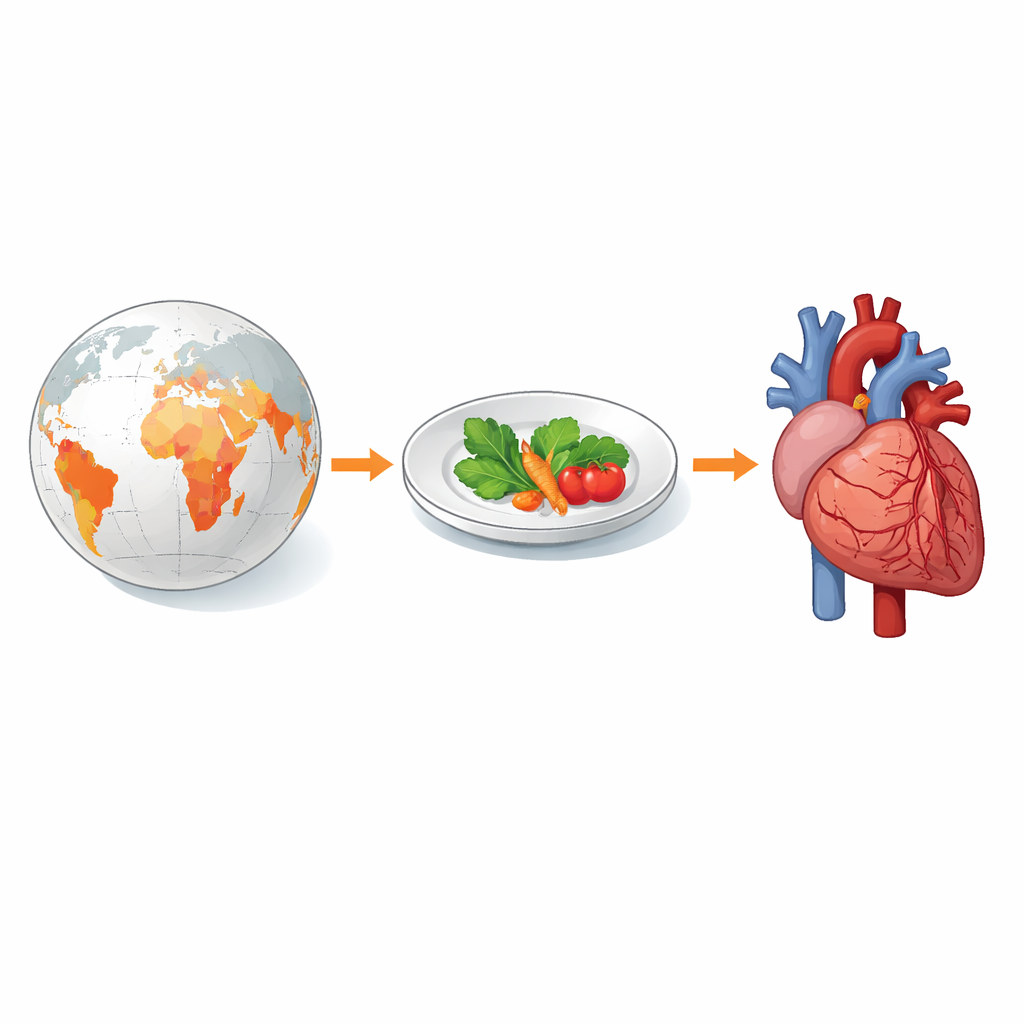
The authors used the Global Burden of Disease database, which tracks hundreds of illnesses and risk factors in 204 countries from 1990 to 2021. They focused on cardiovascular disease—conditions like heart attacks, strokes, and damage caused by long-term high blood pressure—and isolated the part of that burden linked specifically to low vegetable intake. Vegetables here include fresh, frozen, cooked, canned, or dried non-starchy varieties, but not potatoes, corn, or pickled and salted products. The team examined deaths, disability, and trends over three decades, breaking results down by age, sex, country income level, and type of heart disease. They also used statistical models to project patterns out to 2035.
Global Gains, Local Gaps
Across the globe, the rate of death from cardiovascular disease has dropped substantially since 1990, and the share of that burden tied to too few vegetables has also fallen. When adjusted for age, deaths related to low vegetable intake roughly halved between 1990 and 2021, and measures of life years lost and lived with disability declined as well. These improvements track with better treatment, more health education, and broader adoption of dietary guidelines that emphasize plant-rich eating. However, because the world’s population is larger and older than it was three decades ago, the actual number of people dying from heart disease linked to low vegetable intake has grown—from about 558,000 deaths in 1990 to more than 680,000 in 2021.
Who Is Hurt the Most
The burden of low vegetable intake is not shared equally. People in low- and lower-middle-income regions bear the highest risks, particularly in South Asia, parts of the Middle East, and sub-Saharan Africa. These areas often have lower average vegetable consumption, higher rates of high blood pressure, and weaker primary care systems. Older adults are especially affected: those aged 55 and above account for more than 80% of deaths linked to too few vegetables. While rates among younger adults (20 to 54 years) are lower, they are creeping upward in many poorer regions, likely reflecting rapid urbanization, more processed foods, and rising obesity.
Different Patterns for Men, Women, and Types of Heart Disease
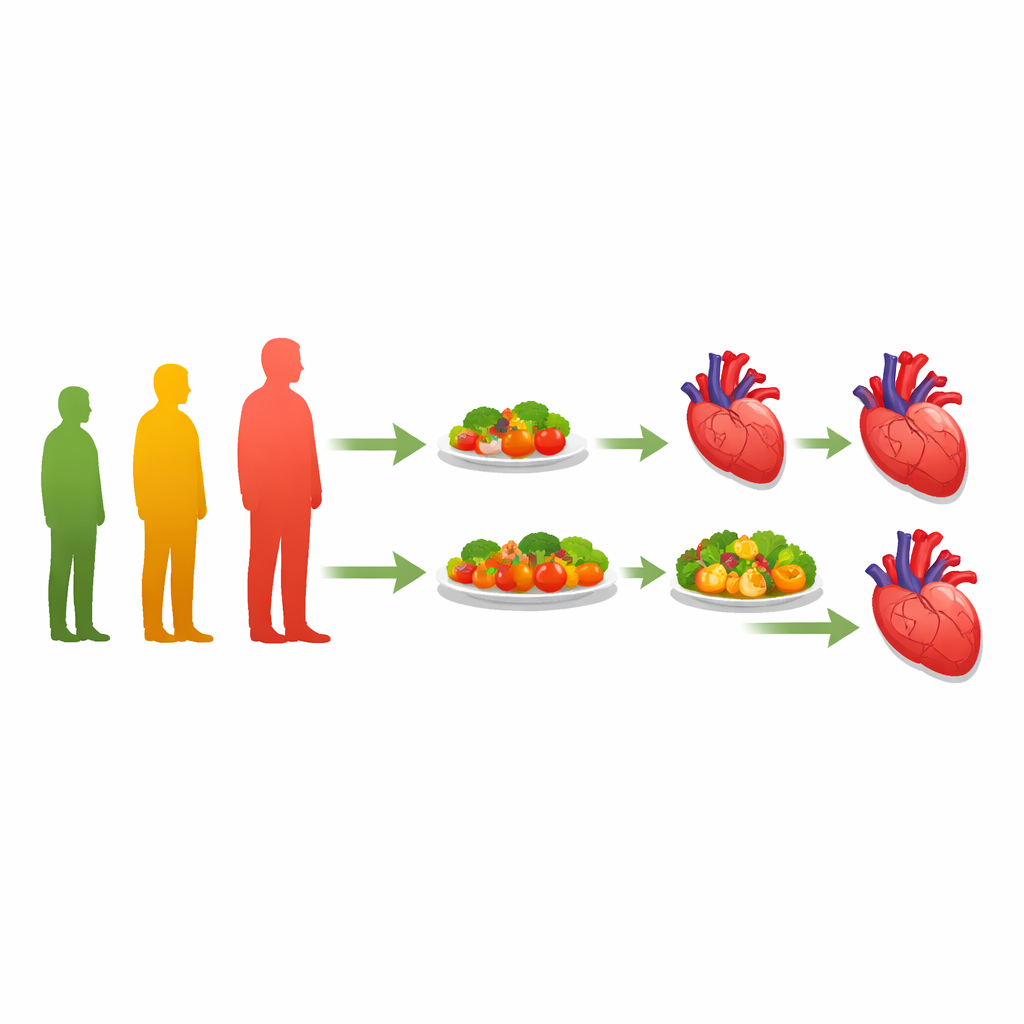
Men and women both benefit from eating more vegetables, but the ways low intake shows up in disease differ. In men under 70, the main problem is ischemic heart disease—blocked arteries that can cause heart attacks. In women, especially at older ages, damage from long-term high blood pressure, known as hypertensive heart disease, looms larger. Over time, deaths from stroke and heart attacks linked to low vegetable intake have declined, while deaths from hypertensive heart disease have risen in some regions and in older age groups. This shift suggests that as emergency care for strokes and heart attacks improves, slow-burning damage from untreated high blood pressure and poor diets is becoming a more prominent threat.
Looking Ahead and What It Means
Using forecasting models, the researchers predict that the age-adjusted death rate from cardiovascular disease tied to low vegetable intake will keep falling modestly through 2035, but the absolute number of deaths will likely continue to climb as populations age. In plain terms, people are somewhat less likely to die from this cause at any given age, but there will be more older adults at risk. The study’s bottom line for everyday life is straightforward: regularly eating vegetables—especially in regions where they are scarce on the plate—could prevent large numbers of heart-related deaths, particularly from conditions driven by high blood pressure. Strengthening food policies, improving access to affordable produce, and building vegetable-focused nutrition education into schools and clinics could turn this slow improvement into a much steeper decline in heart disease worldwide.
Citation: Liu, JY., Dong, TX., Wang, ST. et al. Global burden and trends of cardiovascular disease attributable to low vegetable intake: a global burden of disease 1990–2021 analysis and projection to 2035. npj Sci Food 10, 143 (2026). https://doi.org/10.1038/s41538-026-00797-5
Keywords: vegetable intake, cardiovascular disease, global health, hypertension, dietary prevention