Clear Sky Science · en
Prescription psychostimulants, atomoxetine and the risk of psychosis in adults with history of psychosis: a population-based cohort study
Why This Matters for Patients and Families
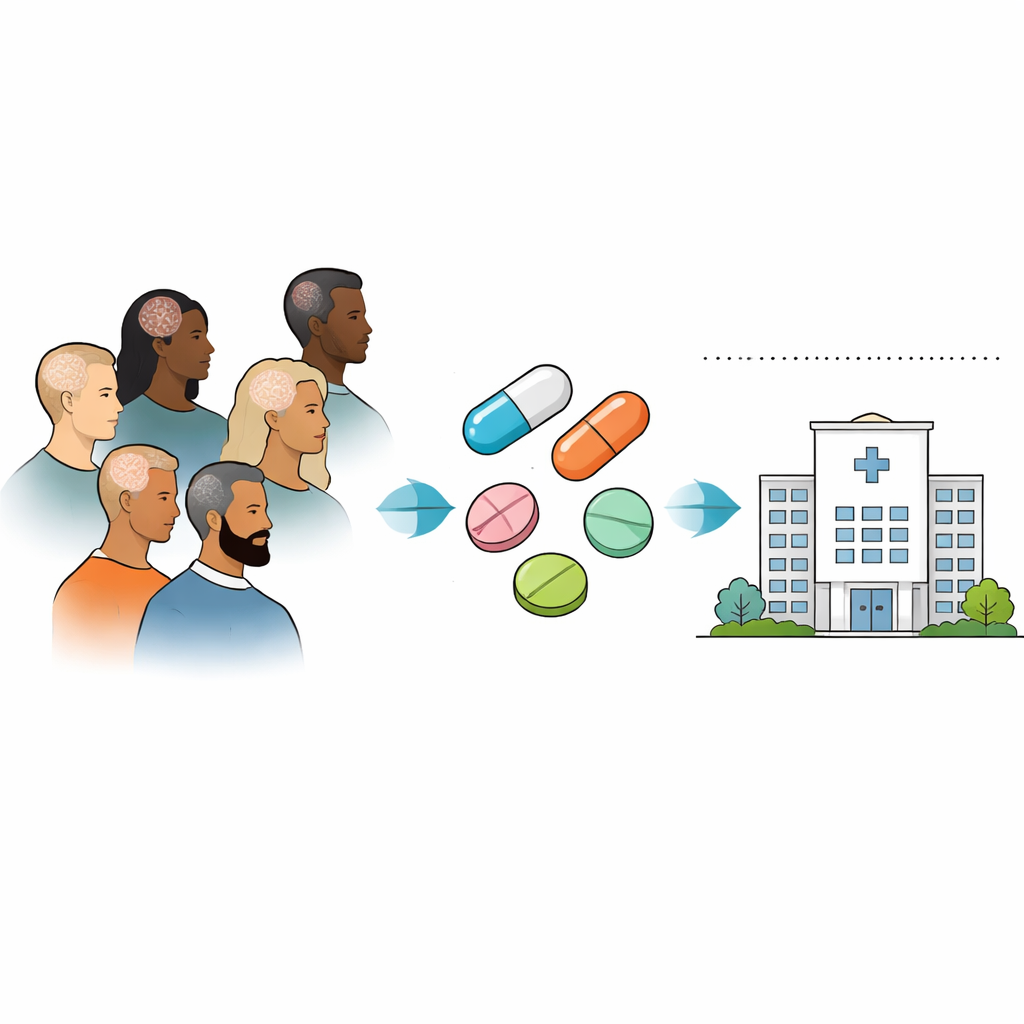
Many adults live with both serious mental illnesses that can include psychosis and attention problems that make everyday life difficult. Medicines like prescription stimulants and atomoxetine can greatly improve focus and functioning, but there has long been a fear that they might trigger psychotic episodes in people who have had psychosis before. This study uses real-world data from across Sweden to ask a simple, crucial question: when adults with a history of psychosis start these medicines, do their hospitalizations for psychosis actually go up?
What the Researchers Wanted to Find Out
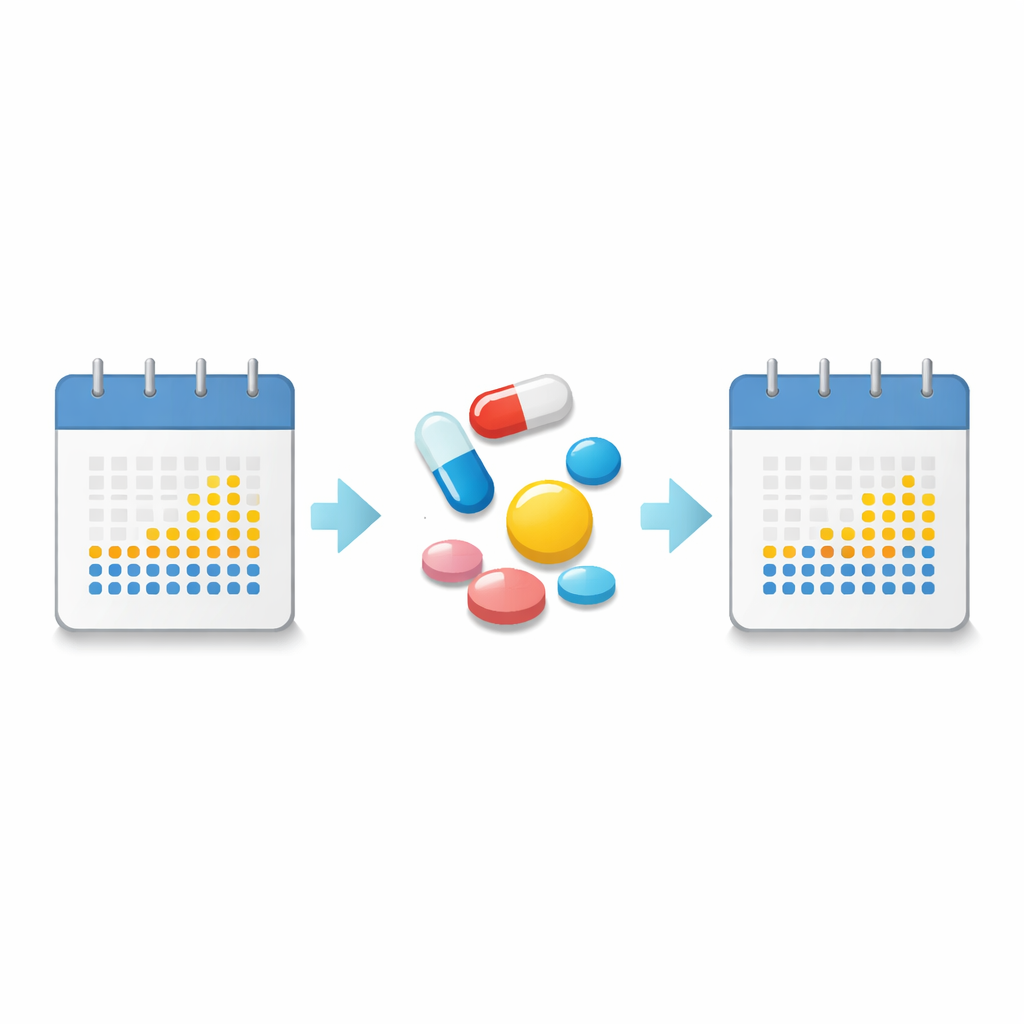
The team focused on adults aged 18 to 64 who had previously been treated for psychosis and later received a prescription for either a stimulant (such as methylphenidate or amphetamine-like drugs) or the non-stimulant atomoxetine. Instead of comparing different people, they compared each person with themselves over time. They looked at hospital stays for psychotic episodes in four distinct six-month windows: one year before treatment, the half year just before starting treatment, the first half year after starting, and the following half year. By doing this, they could see whether psychotic episodes became more or less common once medication for attention problems began, while holding each person’s background characteristics constant.
How the Study Was Carried Out
Using Sweden’s nationwide health and prescription registers, the researchers identified 3,770 adults with a documented history of psychosis who began stimulant or atomoxetine treatment between 2008 and 2021. Hospital admissions for psychosis were counted using diagnostic codes that cover conditions such as schizophrenia, acute psychotic episodes, bipolar disorder with psychotic features, and severe depression with psychotic symptoms. The main comparison was between the six months before treatment began and the six months after. They also checked medium-term patterns up to a year after treatment, shorter eight-week windows around treatment start, and specific subgroups: men and women, different age bands, people taking antipsychotic medication versus those who were not, and different attention medicines.
What They Found in Real-World Patients
Across the entire group, there was no sign that starting stimulants or atomoxetine led to more psychotic episodes requiring hospital care. In the six months before treatment, there were 493 psychotic events, compared with 470 in the six months after. This translated into a rate ratio of 0.95, meaning events were slightly less common after treatment, though the difference was small enough that it could be due to chance. The pattern was similar when looking 6–12 months after starting treatment and when examining shorter, eight-week windows around treatment start. Crucially, this lack of increase held across men and women, younger and older adults, and when focusing only on psychosis clearly linked to substances.
Differences Between Medicines and Other Influences
When the researchers separated the results by medication type, they still did not see a clear risk increase. People starting amphetamine-like stimulants and those starting atomoxetine actually showed a numerical drop in psychotic events, while those starting methylphenidate or modafinil-like drugs showed a small numerical rise. However, the differences between these groups were not statistically clear, in part because psychotic events were relatively uncommon in each subgroup. The study also hinted that people who were simultaneously treated with antipsychotic drugs might be somewhat shielded, showing a slight drop in psychotic events after starting attention medication, whereas those without antipsychotic treatment showed a small, uncertain rise. Because the numbers were small and the uncertainty wide, the authors stress that larger studies are needed before firm conclusions can be drawn about these finer details.
What This Means for Everyday Care
For patients, families, and clinicians, the main message is reassuring but still calls for caution. In a large, real-world national sample of adults with a documented history of psychosis, starting prescription stimulants or atomoxetine was not associated with an increased risk of being hospitalized for psychosis in the short or medium term. This suggests that, when psychotic symptoms are stable and people are carefully monitored, attention medicines do not automatically trigger relapse, and may be considered as part of a balanced treatment plan. The study does not remove the need for close follow-up or individual judgment—especially in very severe cases—but it challenges the idea that these drugs must always be off-limits for anyone who has ever experienced psychosis.
Citation: Bach, P., Franck, J., Hällgren, J. et al. Prescription psychostimulants, atomoxetine and the risk of psychosis in adults with history of psychosis: a population-based cohort study. Transl Psychiatry 16, 226 (2026). https://doi.org/10.1038/s41398-026-03998-4
Keywords: psychostimulants, psychosis relapse, ADHD medication, atomoxetine, antipsychotic treatment