Clear Sky Science · en
Cooperation mode selection of competitive brands in the live streaming E-commerce supply chain with information sharing and traffic investment
Why live shopping battles matter
Livestream shopping has turned online buying into a real-time show where brands, influencers, and platforms compete for our attention. Behind the scenes, new brands must decide whether to build their own livestream channels or team up with star influencers to reach viewers. This paper explores how those choices are shaped by platform fees, the cost of buying traffic, and how much sales information the platform is willing to share with brands.
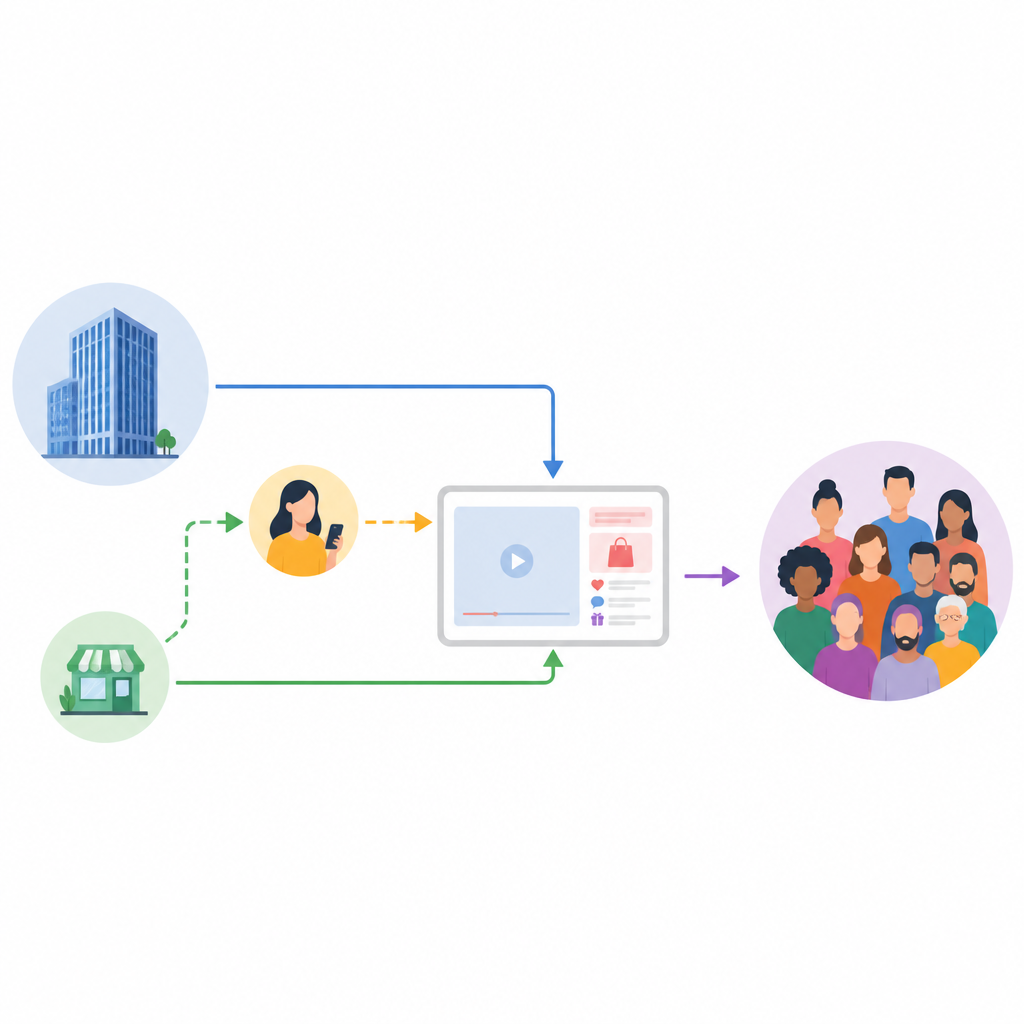
Two main paths to reach viewers
The study looks at a simple but powerful setting: an established brand already sells through its own livestream on a major platform, while a new rival brand wants to enter. The newcomer can either run its own brand livestream or supply products to a popular influencer who sells on its behalf. In both cases, the platform charges a sales commission and controls valuable data about how much demand there is. The newcomer can also pay for extra traffic to boost how many viewers see its products, but this traffic becomes more expensive as spending rises.
How the authors studied the problem
To make sense of these choices, the authors built a game-theory model with three key players: the incumbent brand, the competitive brand, and the platform. The platform may or may not share its demand forecasts with the brands and, in the influencer case, with the influencer too. The model tracks how the commission rate, the cost of traffic, and the quality of the demand forecasts affect prices, sales volumes, traffic spending, and profits for each party. By comparing many possible combinations, the authors identify when each cooperation mode is best for the newcomer and when the entire supply chain performs most efficiently.
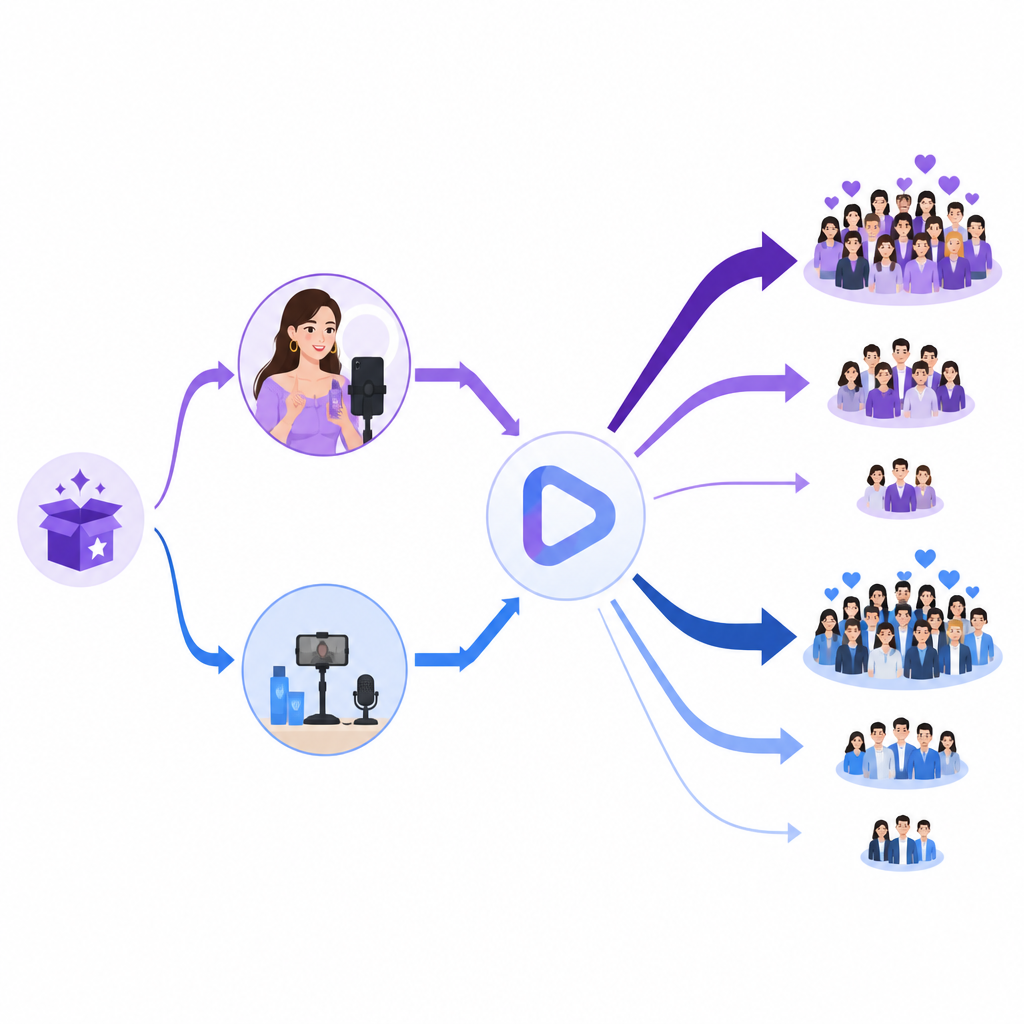
When influencers win and when brands go solo
The findings show that the cost of traffic and the platform’s commission are the main levers that tip the balance between working with influencers and going solo. When traffic is cheap, influencer livestreaming is usually better for the newcomer because influencers already command large fan bases and can convert attention into sales efficiently. In this setting, the platform also tends to benefit from sharing demand information, since better forecasts help both brands and influencers invest traffic more wisely and raise overall sales. When commissions are high or traffic is expensive, running a brand’s own livestream becomes more attractive, because it avoids sharing too much margin with intermediaries and allows the brand to build direct relationships with viewers.
Why data sharing changes the game
Information sharing by the platform does not help everyone equally and depends strongly on the cooperation mode. Under brand self-livestreaming, the platform almost always has an incentive to share demand data, since this nudges brands to invest more in traffic and improves coordination across the supply chain. Under influencer livestreaming, however, sharing can have mixed effects. When traffic is inexpensive, it boosts sales for all parties, including influencers, and raises platform commission income. But when traffic costs are high, sharing can intensify competition between the newcomer and the incumbent brand without adding enough new demand, sometimes reducing the platform’s or influencer’s gains. The authors also show that, in certain regions, contract tweaks and side payments between brands and platforms can move the system to a mode that increases profits for everyone.
What this means for viewers and sellers
For everyday viewers, these dynamics help explain why some products are pushed heavily by big-name influencers while others rely on the quieter presence of brand-run livestream rooms. For new brands, the study offers guidance: when traffic is affordable and the platform’s fees are moderate, teaming up with a strong influencer can be the fastest route to growth; when traffic and commissions are costly, investing in a brand’s own livestream and benefiting from platform data may pay off more over time. Overall, the research suggests that well-designed information sharing, matched with the right cooperation mode, can create win–win outcomes: platforms earn steady fees, brands gain fair profits and control, influencers use their strengths effectively, and consumers enjoy more relevant, better targeted livestream offers.
Citation: Wang, H., Zhu, A., Yu, L. et al. Cooperation mode selection of competitive brands in the live streaming E-commerce supply chain with information sharing and traffic investment. Humanit Soc Sci Commun 13, 654 (2026). https://doi.org/10.1057/s41599-026-07251-7
Keywords: live streaming e-commerce, influencer marketing, information sharing, traffic investment, supply chain strategy