Clear Sky Science · en
Consuming motherhood - Meanings that mothers of young children attribute to their excessive online shopping
Why Moms and Online Shopping Matter
Across the world, parents of young children are turning to online shopping for everything from diapers to toys. For many mothers, filling digital carts is more than a convenient chore—it can feel like part of being a “good mom,” a brief escape from stress, and sometimes a habit that is hard to control. This study takes readers inside the lives of 15 Israeli mothers of young children who say they shop online far more than they would like, exploring how they make sense of that behavior and what it reveals about modern motherhood and consumer culture.
Buying as Part of Being a Mother
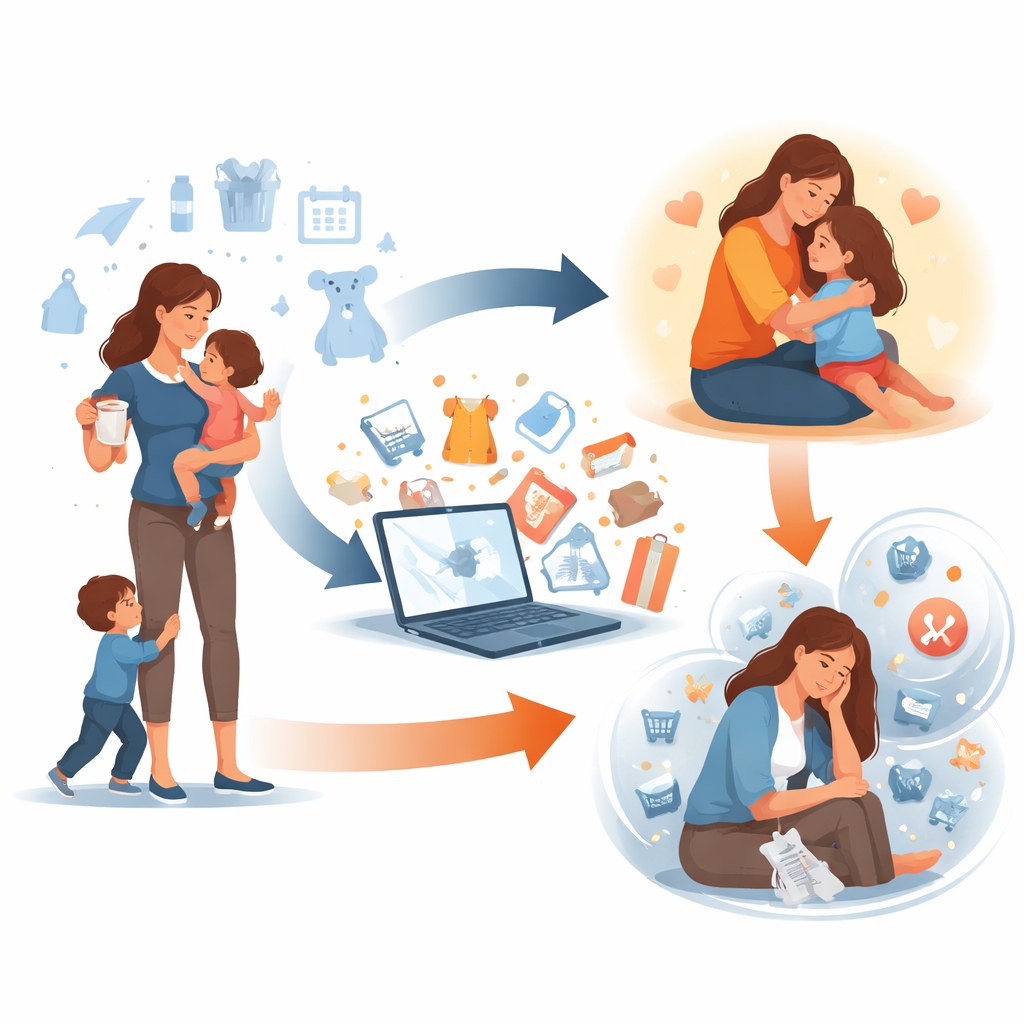
The mothers in this study saw online shopping as tightly woven into what it means to care for a child today. Having a baby or toddler opened a floodgate of new products—clothes, toys, food, gear, educational materials—and made constant buying seem natural and even necessary. Many women described motherhood as a “gateway” that dramatically increased their shopping. They felt responsible for meeting every physical, emotional, and educational need their children might have, and the internet offered endless options to do so quickly and easily. Buying the “right” items—from developmentally stimulating toys to stylish outfits—became one way to prove to themselves and others that they were attentive, loving mothers.
Shopping to Cope with Stress and Guilt
Online shopping also helped these mothers navigate the emotional roller coaster of early parenthood. Many felt overwhelmed, anxious, or unsure if they were doing enough. Browsing and buying became a way to soothe worries, to compensate for long work hours, or to handle guilt about not spending every moment with their children. Clicking “buy” offered a momentary sense of control and comfort, and searching for products provided an easy mental break that required little effort. At the same time, mothers emphasized the practical perks: shopping from the couch saved time, avoided difficult outings with toddlers, and fit around sleepless nights and crowded schedules.
Seeing the Downsides and Feeling Trapped
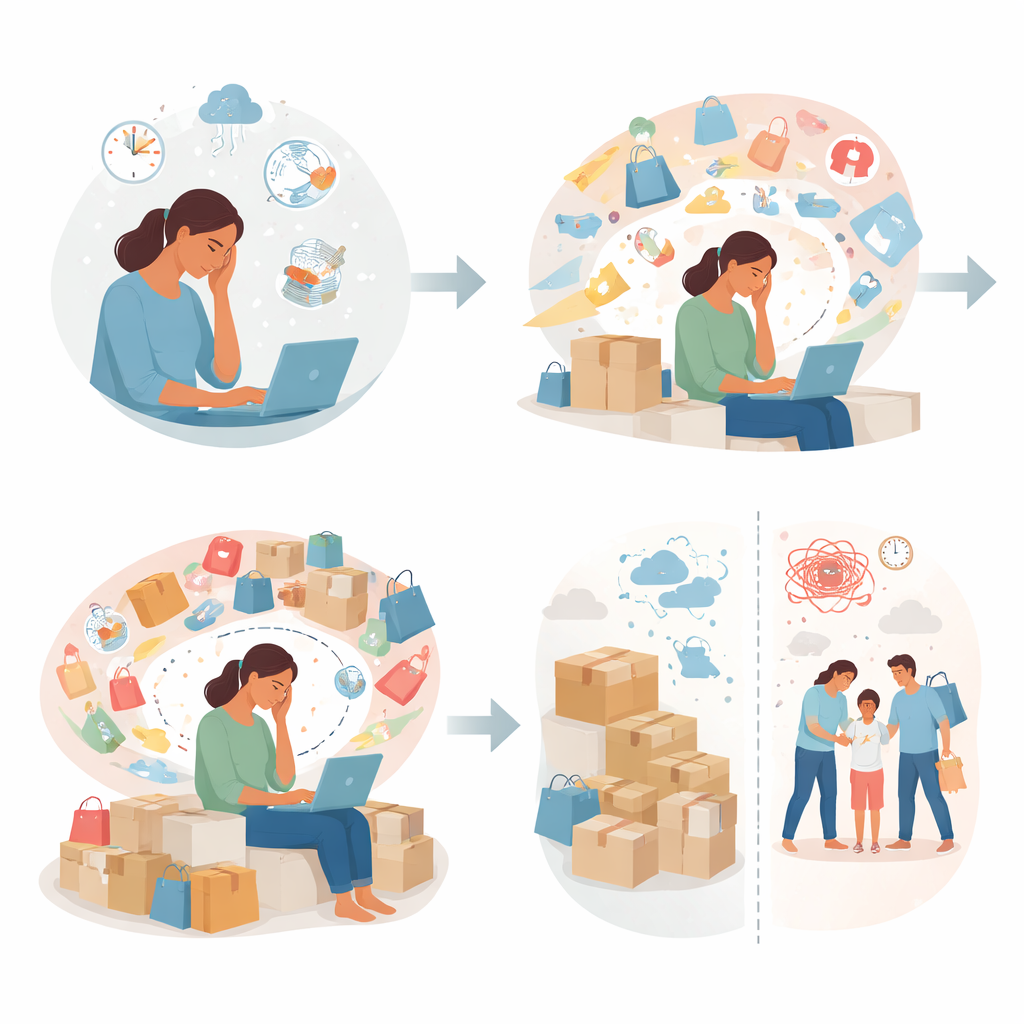
Yet these women were far from uncritical about their habits. Many worried about the money and time consumed by constant browsing and deliveries, and some hid purchases from their partners. Several wondered aloud if they were “addicted,” noting that they struggled to stop even for a month. They feared raising spoiled children surrounded by too many things, and they noticed how scrolling for deals could eat into precious time with their kids. After shopping sprees, some described a hollow feeling—like eating without ever feeling full—when new items failed to bring the lasting happiness they had imagined.
Living in a World That Pushes Moms to Buy
The mothers also criticized the broader consumer culture that surrounds them. They were acutely aware of targeted ads, email offers, and social media groups that encourage constant buying and compare children’s clothes, toys, and gear. Companies track pregnancies and births, then flood parents with baby product promotions. Seeing what other families own can make it feel as if every child “needs” the latest item. The women sensed they were being manipulated but still felt pressure to keep up—both to match their social circle and to live up to the demanding ideal of the endlessly devoted, ever-prepared mother.
What This Means for Families and Society
Overall, the study shows that excessive online shopping among mothers is not just about personal weakness or lack of discipline. It emerges where two powerful forces meet: a culture that tells women to pour unlimited time, money, and energy into their children, and a marketplace that makes it effortless—and tempting—to buy more and more. For these mothers, shopping is both a tool for loving and caring for their kids and a behavior that can quietly take over their time, finances, and peace of mind. Recognizing this tension can help policymakers, health professionals, and families support mothers without blame, by questioning the social expectations and marketing practices that make “consuming motherhood” feel almost unavoidable.
Citation: Glaser-Guy, N., Kalontarov-Smotritsky, V. & Gavriel-Fried, B. Consuming motherhood - Meanings that mothers of young children attribute to their excessive online shopping. Humanit Soc Sci Commun 13, 454 (2026). https://doi.org/10.1057/s41599-026-06763-6
Keywords: online shopping, motherhood, consumerism, behavioral addiction, parenting stress