Clear Sky Science · en
Determinants of Chinese individuals’ clothing-recycling intentions: a dual-logic analysis integrating TPB, NAM, and perceived convenience (PLS-SEM and NCA)
Why our old clothes still matter
The clothes we buy and toss away do not simply disappear. Around the world, mountains of shirts, jeans and jackets end up in landfills or are burned, wasting valuable resources and polluting air, soil and water. China, as the largest producer and consumer of clothing, now throws away tens of millions of tons of textiles every year, most of which could be reused or recycled. This study asks a deceptively simple question with big consequences: what really motivates ordinary Chinese people to decide whether or not to recycle their unwanted clothes?
From throwaway habits to circular closets
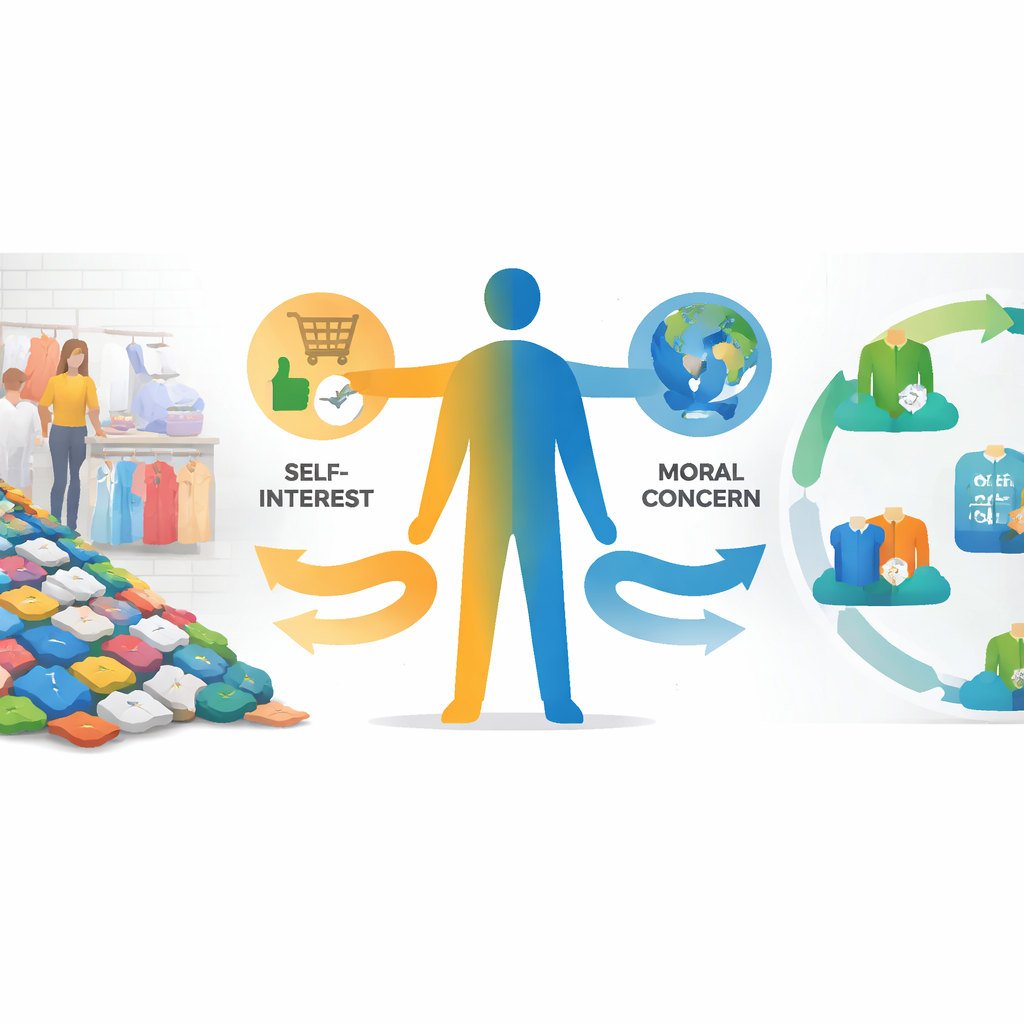
The researchers start from the idea that clothing recycling is not only about having a nearby bin or collection service. It is also about what happens in people’s minds. They argue that two very different ways of thinking shape our choices. One is self-focused and practical: is recycling easy, does it fit my routine, do I feel in control of the process? The other is moral and outward-looking: do I understand the environmental damage of textile waste, and do I feel a personal duty to act? To capture both sides, the study combines two well-known behavior models—one centered on planned, benefit–cost thinking and the other on moral norms—and adds a third piece: how convenient people think recycling actually is.
Listening to everyday choices
To explore these drivers, the team surveyed 347 adults across China using an online questionnaire. Participants rated how strongly they agreed with statements about their views on clothing recycling, such as whether they saw it as rewarding, felt pressure from family or media to do it, believed they knew how to recycle, understood the damage caused by clothing waste, or felt personally responsible for that damage. They also answered questions about how convenient recycling seemed in their daily lives—whether bins were nearby, information was easy to find, and the process fit their schedules—and how likely they were to recycle clothes in the near future. The researchers then used advanced statistical tools to distinguish factors that are helpful from those that are truly essential.
What really moves people to act
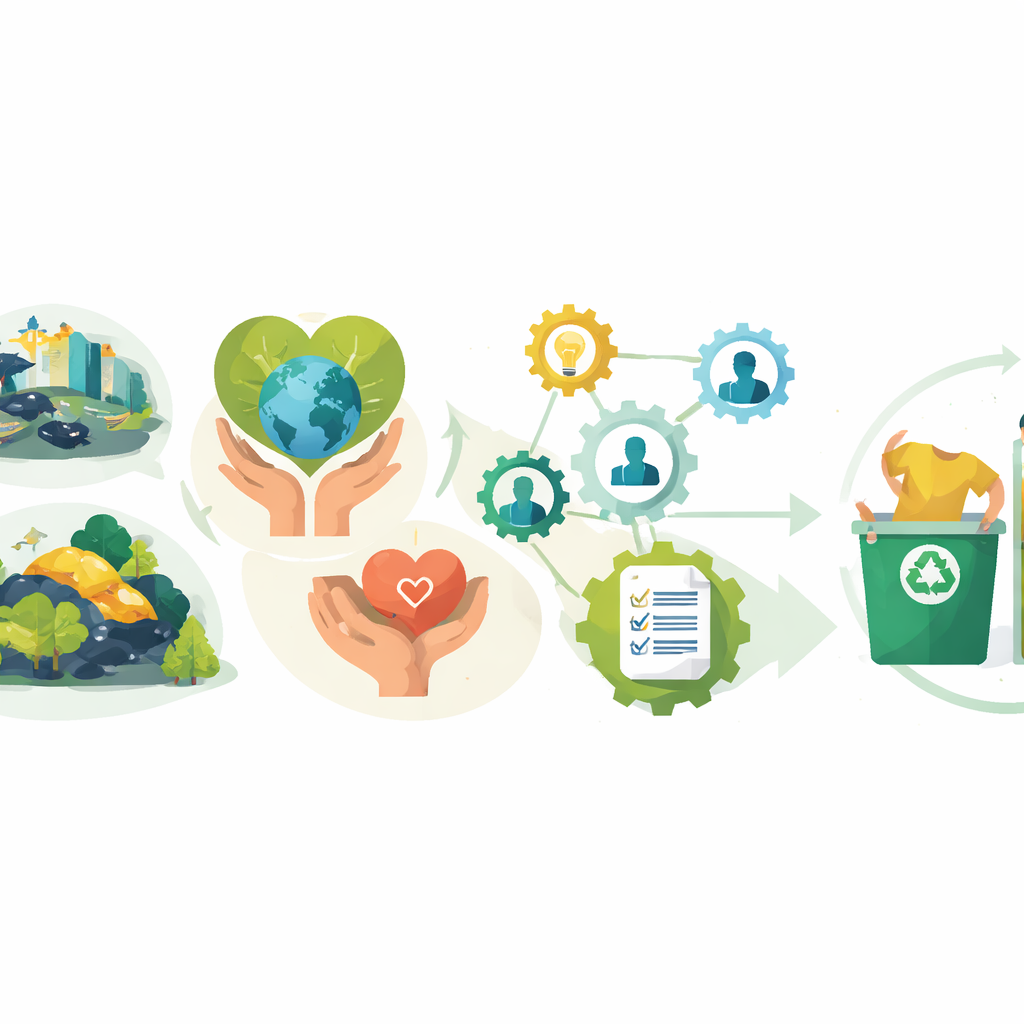
The results reveal a layered picture. On the practical side, feeling capable—having the time, knowledge and confidence to recycle—was the strongest direct driver of intention. Positive feelings about recycling and a sense that friends, family and government expect this behavior also increased people’s willingness to participate. Convenience turned out to be an important backdrop: when recycling felt easy and accessible, people reported stronger confidence, more favorable attitudes and a greater sense that “everyone is doing it,” even though convenience by itself did not directly push them to commit. On the moral side, awareness of the harms of textile waste and a personal sense of environmental responsibility fed into a feeling that recycling is simply the right thing to do, and this inner moral compass in turn boosted people’s intentions.
Hidden must-haves behind visible motives
By adding a second kind of analysis, the study uncovered a crucial distinction between “nice-to-have” and “must-have” influences. While confidence and social expectations are powerful drivers, strong recycling intentions almost never appeared without a basic level of moral engagement. People needed to recognize the environmental consequences of discarded clothing and to feel that they personally share responsibility; they also needed at least moderately positive views of recycling and some sense of control over the process. Without these moral and psychological foundations, improvements in convenience or social pressure alone had little effect. Younger respondents were particularly likely to turn environmental awareness into a personal duty to act, hinting at generational differences in how green messages are absorbed.
What this means for cleaner fashion
For a layperson, the message is clear: getting people to recycle clothes is not just a matter of putting out more bins or offering small rewards. Those steps help, but only if people already care about the problem and feel that recycling fits their values and abilities. The study suggests that successful programs in China—and likely elsewhere—must first build understanding of the damage caused by clothing waste and nurture a shared sense of responsibility. Once that moral ground is in place, improving convenience, making the process visible and normal, and boosting people’s confidence can turn good intentions into everyday practice, moving the fashion system closer to a truly circular loop.
Citation: Ye, J., Kuang, C. Determinants of Chinese individuals’ clothing-recycling intentions: a dual-logic analysis integrating TPB, NAM, and perceived convenience (PLS-SEM and NCA). Humanit Soc Sci Commun 13, 369 (2026). https://doi.org/10.1057/s41599-026-06719-w
Keywords: clothing recycling, consumer behavior, circular fashion, environmental responsibility, China