Clear Sky Science · en
Technostress in the ivory tower: a digital burden or a manageable challenge for senior academics
Why the Digital Rush Matters for Older Professors
Universities raced online during the COVID-19 pandemic, turning lectures, meetings, and even hallway chats into screen-based encounters. For many senior academics—professors aged 55 and above—this abrupt shift was more than an inconvenience. It became a source of "technostress": the feeling of strain, anxiety, and exhaustion brought on by digital tools and constant connectivity. This study looks closely at how older academics in Poland, the Czech Republic, and Ukraine experience this digital pressure, how it affects their work and home lives, and what helps them cope.
The Hidden Weight of New Technology
For the academics interviewed, technostress felt less like a simple dislike of gadgets and more like an emotional and mental burden. Many described nervousness, fear, or even phobia when facing new software or platforms, especially when they lacked clear instructions or support. They worried about breaking something, losing data, or simply looking incompetent in front of students and colleagues. This wasn’t just about learning a new tool; it touched their sense of professional worth and their identity as capable teachers and researchers.
Learning Under Pressure, Driven from Within
Despite these worries, most interviewees rated their own digital skills as moderate to high and showed considerable determination to improve. The pandemic served as a powerful external push, forcing them to discover video platforms, online learning systems, and digital materials almost overnight. Yet what really sustained their progress was internal: self-motivation, curiosity, and a desire to keep up with their roles. Many taught themselves through tutorials, trial and error, and informal help from students and colleagues. Still, they often used digital tools in a limited way, falling back on familiar teaching styles and sometimes feeling that online classes were less engaging and less effective than face-to-face ones.
When Work Follows You Home
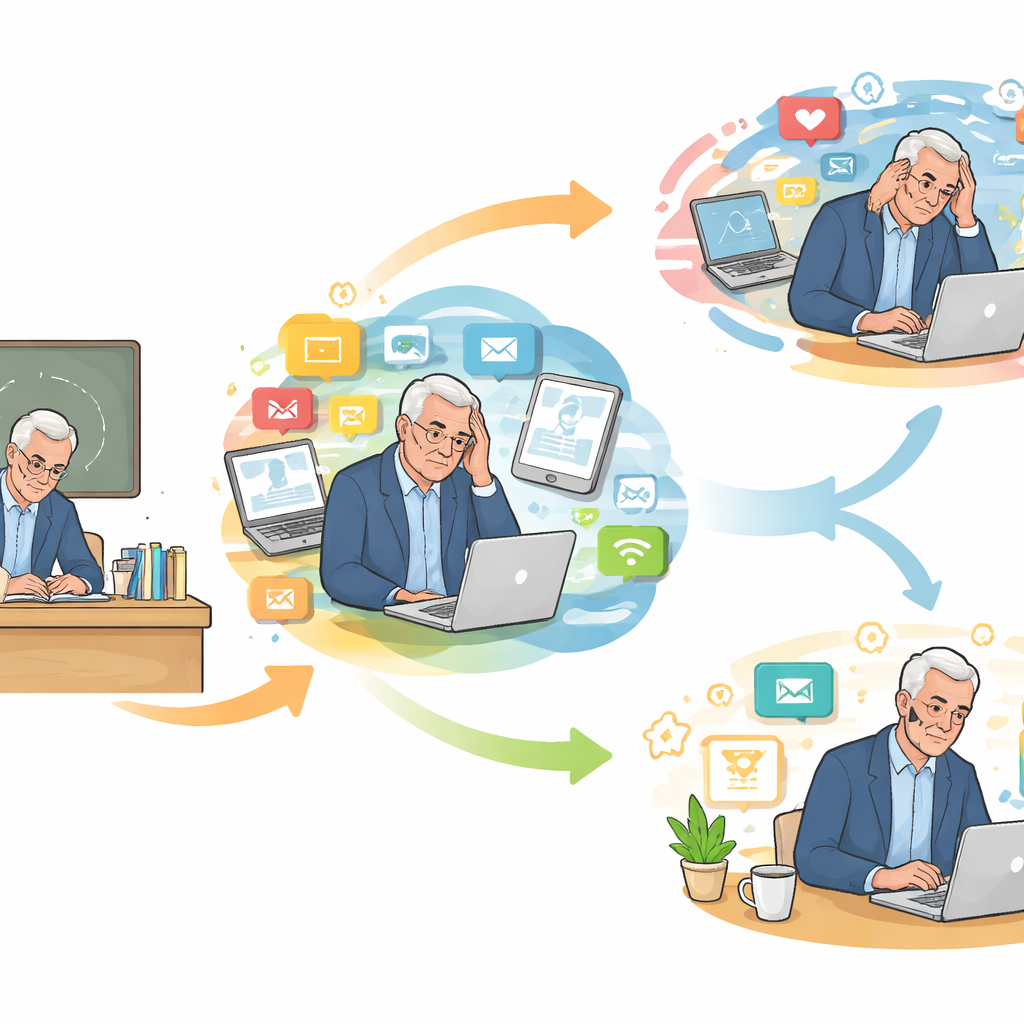
Technostress did not stay neatly inside the office. Moving teaching and meetings into the home blurred the line between work and private life. Senior academics described a constant sense of “always being at work,” as emails, online tasks, and preparation spilled into evenings and weekends. Physically, long hours at the computer led to eye strain, back pain, headaches, and general fatigue. Psychologically, they felt more distracted, anxious, and sometimes oddly “addicted” to scrolling or checking devices. Many missed the “human factor” of campus life—the simple act of seeing students’ faces, reading their reactions, and sharing informal conversations with colleagues.
Barriers That Make Technostress Worse
Several factors combined to intensify this digital strain. Age-related concerns played a role: some respondents spoke of feeling more conservative, more hesitant to try new systems, or slower to remember multiple passwords and log-ins. Technical issues such as unstable internet connections, frequent software updates, and missing equipment (like cameras or microphones) added frustration. There was also a sense of subtle pressure. Even when universities did not openly demand rapid adaptation, essential meetings and classes moved online, sending the unspoken message that those who could not cope might be left behind.
Finding Balance Through Support and Boundaries
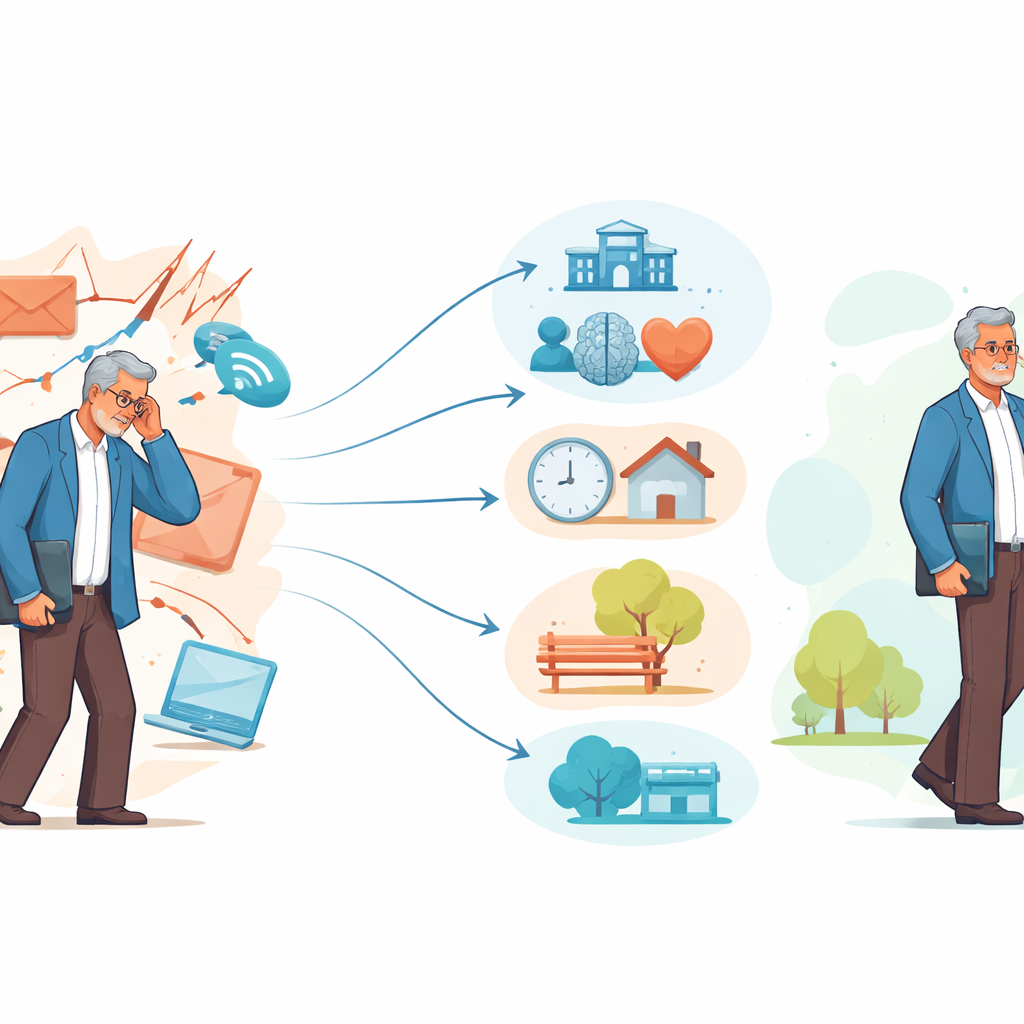
At the same time, the study found that technostress is not purely a digital doom story. Many older academics developed coping strategies that helped them regain control. Institutional flexibility—such as allowing teachers to choose the tools and formats they preferred—and a culture of support from students and colleagues eased the transition. Individually, respondents relied on self-motivation, positive thinking, and pacing their learning to their own rhythm. Just as important, many made a clear choice to limit digital tools in their personal lives, avoiding social media and treating technology primarily as a work instrument. By consciously carving out offline time, protecting family space, and seeking conversation and connection beyond the screen, they worked to keep the digital world from becoming a “prison.”
What This Means for the Future of Universities
For a lay reader, the key message is simple: older academics are not helpless victims of technology, but they do carry a heavy digital load. Technostress affects their teaching quality, health, and home life, yet many respond with resilience, creativity, and a strong desire to keep contributing. The authors conclude that universities must recognize technostress as a long-term challenge, not a temporary pandemic side effect. Thoughtful training, reliable infrastructure, and inclusive policies that respect experience and individual pace can turn digital change from a burden into a manageable challenge. When technology is introduced with empathy and support, it can help senior academics continue to share their knowledge without sacrificing their well-being.
Citation: Przytuła, S., Rasticova, M., Versal, N. et al. Technostress in the ivory tower: a digital burden or a manageable challenge for senior academics. Humanit Soc Sci Commun 13, 419 (2026). https://doi.org/10.1057/s41599-026-06677-3
Keywords: technostress, senior academics, online teaching, work-life balance, digital transformation