Clear Sky Science · en
Collaborative relationships, disciplinary and global culture, social identity and scientific status shape how scholars cite prior work
Why Our Scientific References Matter
When scientists write papers, they constantly mention earlier studies. These references, or citations, do more than list who discovered what first. They also carry a tone: sometimes warm and supportive, sometimes cool and matter-of-fact, sometimes sharply critical. This article shows that those tones are not only about evidence and ideas, but are also shaped by friendships, status, gender, discipline, and national culture. Understanding this hidden social side of citations helps us see science as a deeply human activity, not a purely mechanical search for truth.
How the Study Looked at Citation Tone
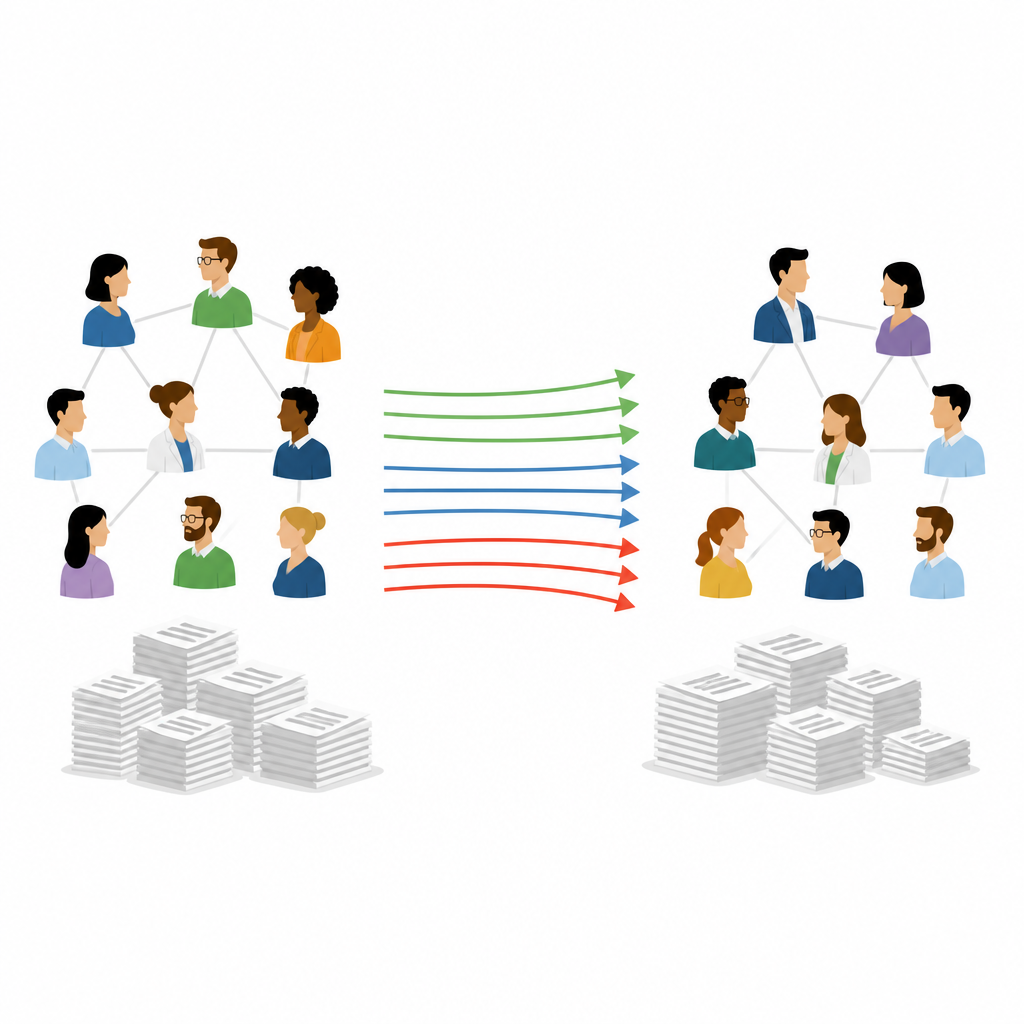
The researchers focused on neuroscience papers because the field is young, diverse, and full of lively debate. They gathered more than one hundred thousand open-access articles and pulled out over six hundred thousand sentences that contained at least one citation. They then used a large language model to judge the tone of each citation as neutral, favorable, or critical, based on the wording of the sentence. Favorable tones praised methods or results or stressed agreement. Critical tones highlighted disagreement, limits, or contrasts. Neutral tones simply reported facts. Most citations turned out to be neutral, but there was still a large pool of favorable and critical remarks to analyze.
Connections, Careers, and Identity
Next, the team asked whether social ties between scientists changed how they cited each other. They built a collaboration network showing who had coauthored papers together and measured how far apart any two authors were in that network. Citations to close collaborators were more favorable and much less critical than citations to non-collaborators, even after accounting for topic similarity and paper type. Citations written before two people ever worked together tended to be more critical than those written after they became collaborators, hinting that working together softens criticism and encourages kinder language.
The authors also tested whether professional status mattered, using the h-index, a common (if imperfect) measure of how often a scientist’s work is cited. When scientists cited non-collaborators with very different h-index scores, they were more critical and less favorable than when they cited peers with similar scores. This effect was strongest when high-status scientists cited lower-status ones. Among collaborators, however, the pattern was weaker or even reversed, suggesting that shared projects can blur status lines in how people talk about each other’s work.
Gender, Fields, and Countries
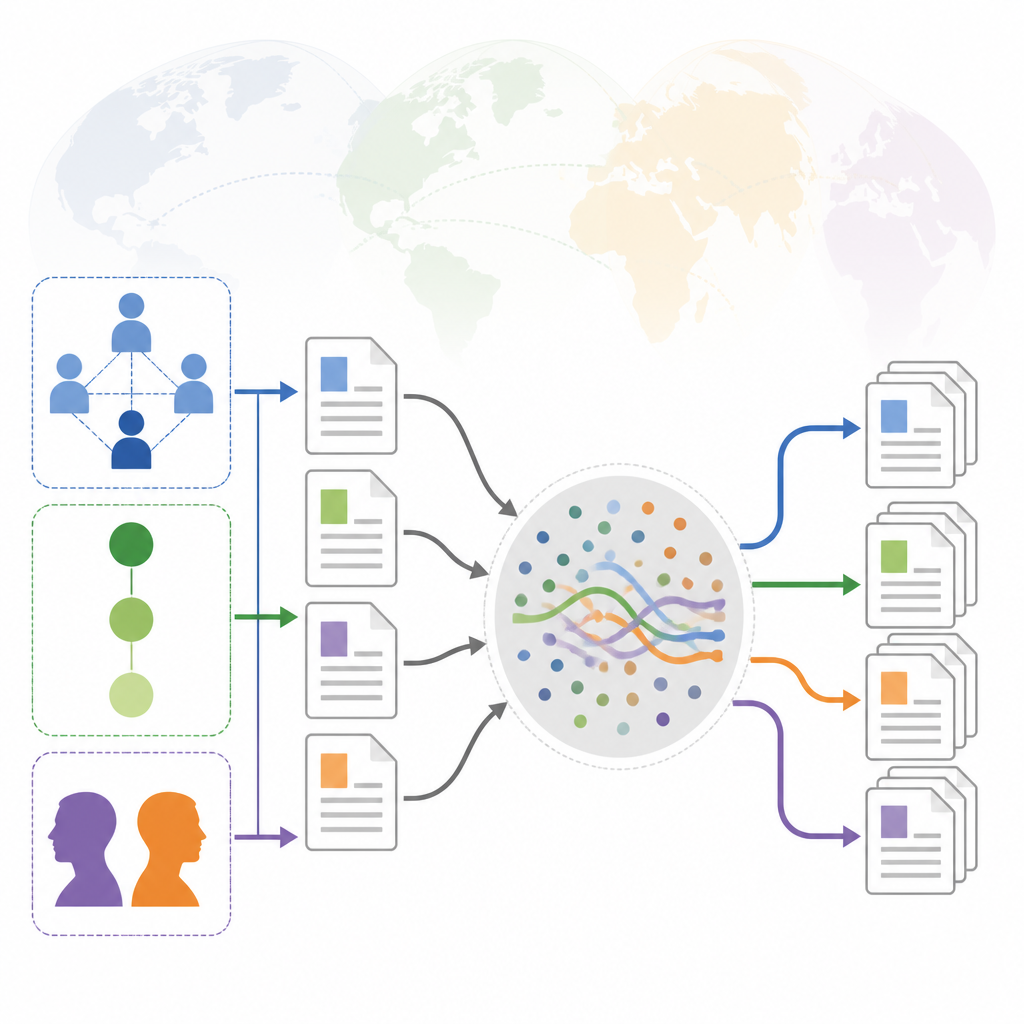
Gender influenced citation style as well. Papers with men as senior authors used stronger sentiment overall: both more praise and more criticism. Women showed greater contrast between how they wrote about collaborators and non-collaborators, reserving warmer language for those they worked with. The study then zoomed out to the level of disciplines and nations. In fields that published many review articles, and in areas relying heavily on lab-based experiments, citation language tended to be more neutral overall. At the country level, the team linked citation tone to well-known cultural measures. Scientists in more individualistic countries used more critical wording, while those in cultures that accept larger power gaps between leaders and subordinates used less critical and more favorable language.
What This Reveals About the Human Side of Science
Taken together, these patterns suggest that scientific writing reflects the same group loyalties, status systems, and cultural habits that shape everyday life. Collaborators tend to treat each other gently, prestigious scientists speak differently about those above or below them, and cultural ideas about individuality and hierarchy leave fingerprints on the tone of citations. The article does not argue that science is unreliable, but rather that it is practiced by people embedded in social worlds. Recognizing those influences can help readers interpret scientific debates more thoughtfully and encourage communities to reflect on how they reward, challenge, and include one another as their shared body of knowledge grows.
Citation: Xia, X., Ouellet, M., Patankar, S.P. et al. Collaborative relationships, disciplinary and global culture, social identity and scientific status shape how scholars cite prior work. Commun Psychol 4, 87 (2026). https://doi.org/10.1038/s44271-026-00450-7
Keywords: citation sentiment, scientific collaboration, research culture, neuroscience publishing, social bias in science