Clear Sky Science · en
Value and vulnerability: a framework for understanding the complexity of misinformation use
Why False Stories Still Matter in a World of Facts
From bogus health tips to wild political rumors, false stories seem to spread faster than ever online. This paper asks a simple but unsettling question: if so much misinformation is easy to debunk, why do people still find it attractive enough to click, believe, and share? Instead of blaming gullible individuals, the authors argue that we should look at how false information delivers something people, communities, and tech platforms want and value—and how that very usefulness makes us vulnerable.
Looking Beyond “Gullible People”
Much past research treats misinformation as a problem inside individual minds: we fall for fake stories because of mental shortcuts, emotional reactions, or lack of media skills. Those factors matter, but they do not tell the whole story. The authors review work from psychology, political science, media studies, and philosophy to show that false stories are shaped by social networks, cultural identities, and the design and business models of platforms. In other words, misinformation is not just passed from one person to another like a cold; it moves through complex systems where many different forces help it take root.
False Stories That “Do Something” for People
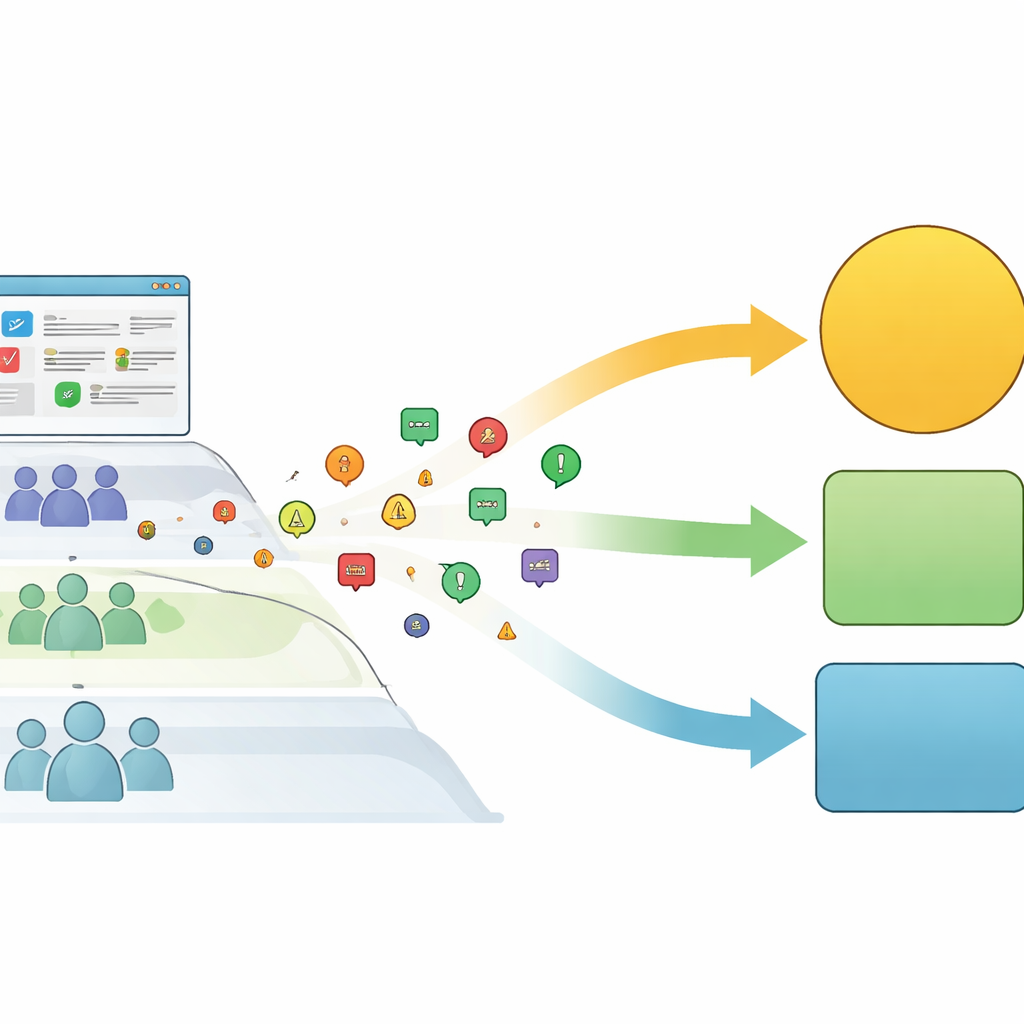
The core idea of the Vulnerability and Value (VV) framework is that misinformation often spreads because it does useful work for someone, even when it is wrong. A false claim can help people make sense of confusing events, protect their worldview, express anger, entertain friends, or signal which side they are on. The authors call these different kinds of usefulness “value types,” ranging from giving explanations and emotional release to strengthening group bonds or providing strategic tools to attack opponents. At the platform level, the same false content can also generate clicks, time-on-site, and a reputation for being a neutral host of all viewpoints, which are valuable for advertising and public image.
Layers of Value: From People to Groups to Platforms
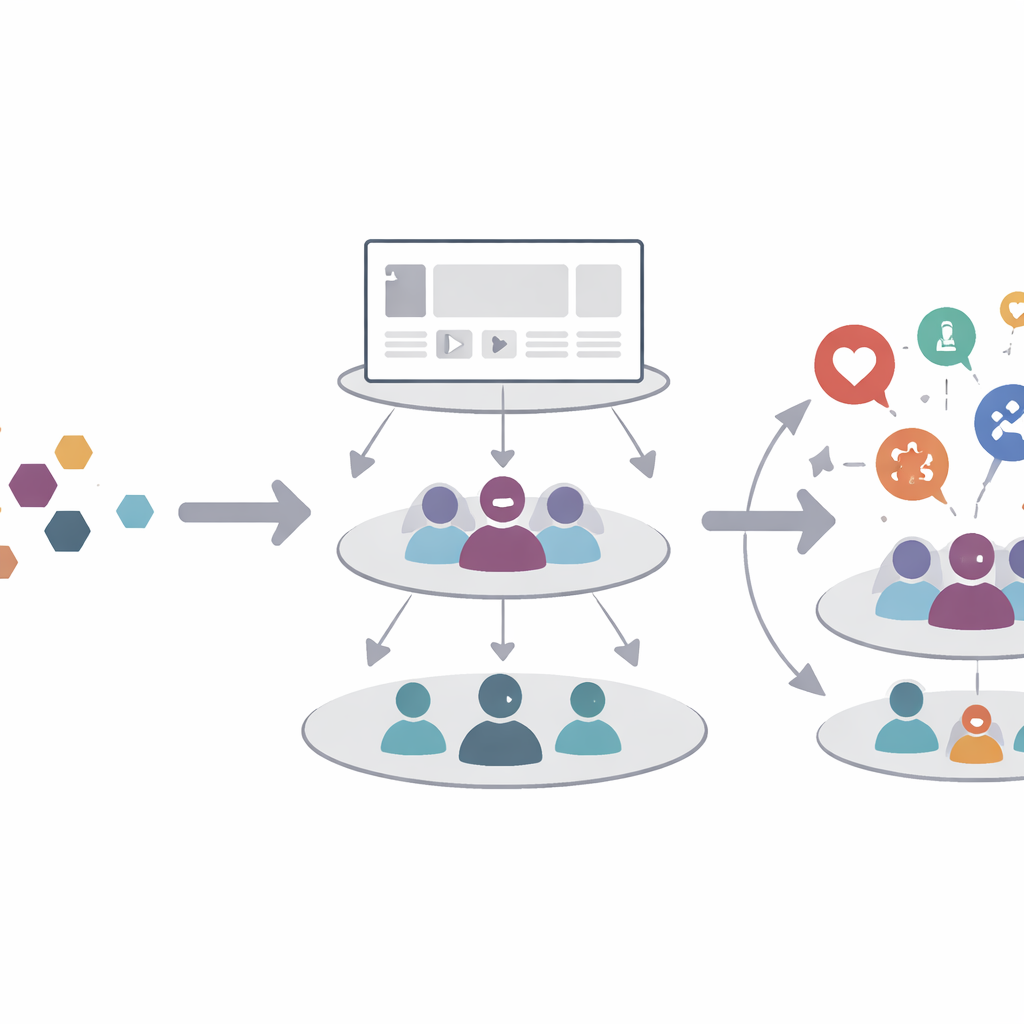
The VV framework organizes these values across three main layers: individuals, groups, and platforms. For a single person, a rumor may feel valuable because it confirms what they already suspect or eases anxiety in uncertain times. For a group, sharing that rumor can tighten bonds, draw sharp lines against rivals, or rally supporters. For a platform, the rumor may deliver strong engagement signals that feed ranking algorithms, keep users returning, and help the company avoid accusations of bias if it chooses not to remove the content. Value at one layer can spill into the others, creating feedback loops: as platforms amplify engaging stories, individuals see them more often, groups rally around them, and the story becomes even more “fit” to survive in the information environment.
A Real-World Test: Confusion After an Attack
To show how this works in practice, the authors apply VV to the wave of online rumors after the 2024 assassination attempt on Donald Trump. Two rival storylines quickly took off: one claimed a secret government plot (“Deep State”), the other claimed the attack was staged by Trump’s own team (“false flag”). Each storyline offered quick, emotionally charged explanations for a shocking event and linked into long-standing political suspicions. The authors map both narratives onto nine value types and three layers. For example, the Deep State story offered explanation and emotional outrage for Trump supporters, bound like-minded communities together, and generated gripping images that platforms’ algorithms eagerly promoted. The false-flag story, more popular among critics of Trump, mixed anger with dark humor and memes, reinforcing group identity while still feeding the same engagement-hungry systems.
Rethinking How to Slow the Spread
By treating vulnerability as a position in a web of incentives rather than a personal flaw, the VV framework changes how we think about solutions. Because false stories spread when they are useful, it is not enough to correct facts or train individuals in critical thinking—though those remain important. Effective responses must also reduce the payoffs that misinformation provides: offer clearer ways for people to make sense of events, create healthier forms of belonging and expression, and redesign platform rules and algorithms that currently reward the most sensational content. In plain terms, misinformation wins when it “pays” better than the truth; this framework shows where and how to rebalance that payoff across people, communities, and the digital spaces that connect them.
Citation: Simeone, M., Roschke, K., Walker, S. et al. Value and vulnerability: a framework for understanding the complexity of misinformation use. npj Complex 3, 18 (2026). https://doi.org/10.1038/s44260-026-00079-x
Keywords: misinformation, social media, conspiracy theories, online platforms, information ecosystems