Clear Sky Science · en
Acute SARS-CoV-2 infection and self-reported post-acute cognitive dysfunctions from the Danish EFTER-COVID survey
Why this study matters to everyday life
Many people who have had COVID-19 worry about lingering “brain fog,” trouble concentrating, or memory lapses. This Danish study followed tens of thousands of adults for up to a year and a half after testing for SARS-CoV-2 to find out how common these thinking problems really are, and whether they differ between people who had COVID-19 and those who did not. Its results offer some reassurance for most people, while confirming that those who were severely ill face a greater risk of lasting cognitive difficulties. 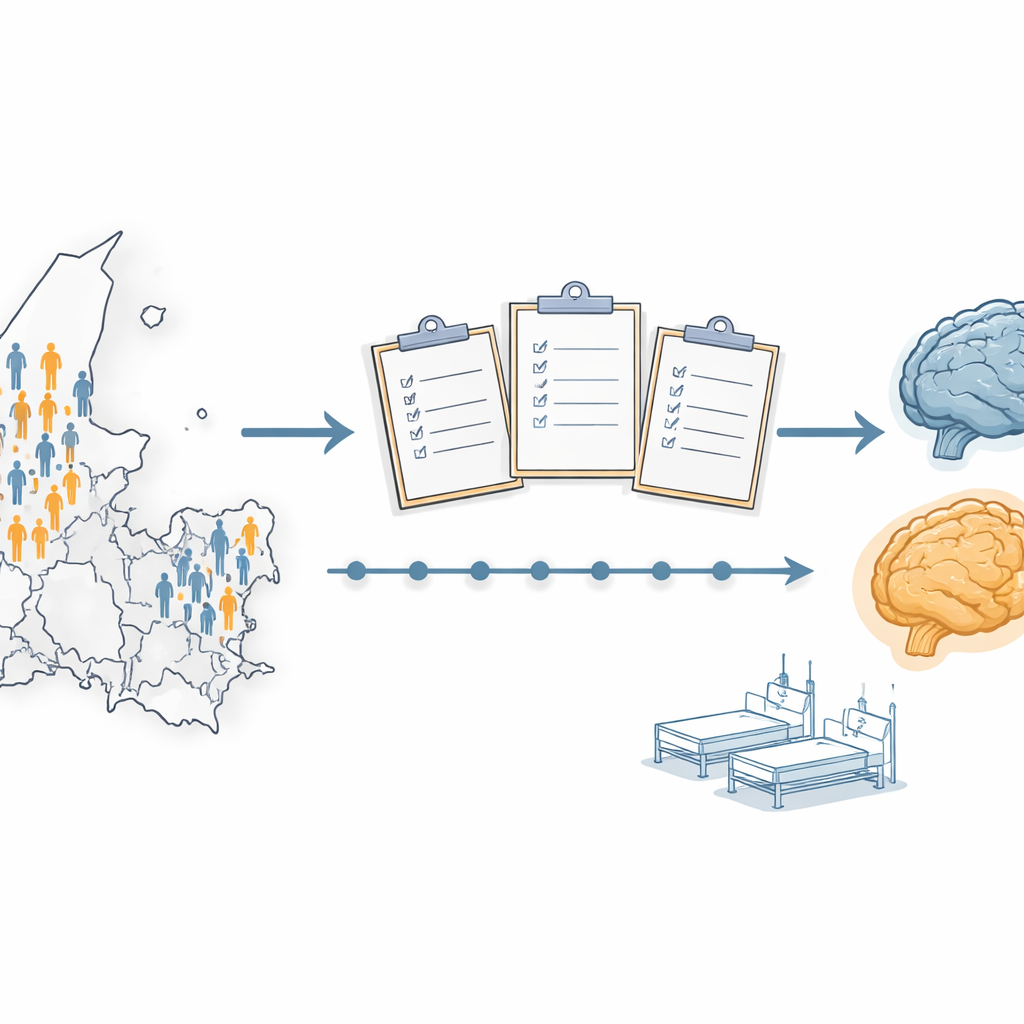
Looking at thinking problems nationwide
Researchers used the EFTER-COVID project, a nationwide survey that invited more than two million residents of Denmark to report their health after a COVID-19 test. From this, they focused on over 25,000 people who tested positive and a similar number who tested negative. Everyone was asked to complete an established questionnaire called COBRA, which measures how often people notice everyday thinking problems, such as losing track while reading or struggling to finish tasks. Participants rated how they functioned before their test and then at several points between two and eighteen months afterwards.
Comparing people with and without COVID-19
At every follow-up, people who had tested positive reported slightly more cognitive complaints than those who had tested negative, even after accounting for age, sex, education, chronic illness, vaccination, and other factors. On average, scores for the COVID-positive group were about 11 percent higher than for the negative group across the whole 2–18 month period. However, the absolute scores in both groups stayed in a generally low range, similar to what has been found in healthy volunteers in other countries. This suggests that while COVID-19 is linked to some extra burden of subjective “brain fog,” the typical level in the general population is modest rather than extreme.
Who is most affected and how severe is the impact?
The researchers examined which factors made the difference between people with and without lingering complaints. Middle-aged adults (30–69 years), women, and people with obesity tended to show somewhat larger increases in cognitive scores after infection than their counterparts. People with shorter or vocational education also appeared to have higher score differences compared with those with longer higher education. When looking across different waves of the pandemic, infections during the period dominated by the Alpha variant showed the largest relative increase in complaints compared to test-negative individuals, although increases were also seen for later variants.
The special role of severe illness and mental health history
One of the clearest findings concerned people who had been hospitalized around the time they tested positive. This group reported more cognitive difficulties than both test-negative individuals and infected people who were never hospitalized. Their scores were about 38 percent higher than the test-negative group over 2–18 months, indicating that severe illness carries the greatest risk for lasting problems with memory and concentration. Among participants with previous psychiatric diagnoses, such as depression or stress-related disorders, COVID-19 infection was associated with slightly higher cognitive complaint scores than in similar individuals who tested negative, suggesting that pre-existing mental health conditions do not fully explain the effect. 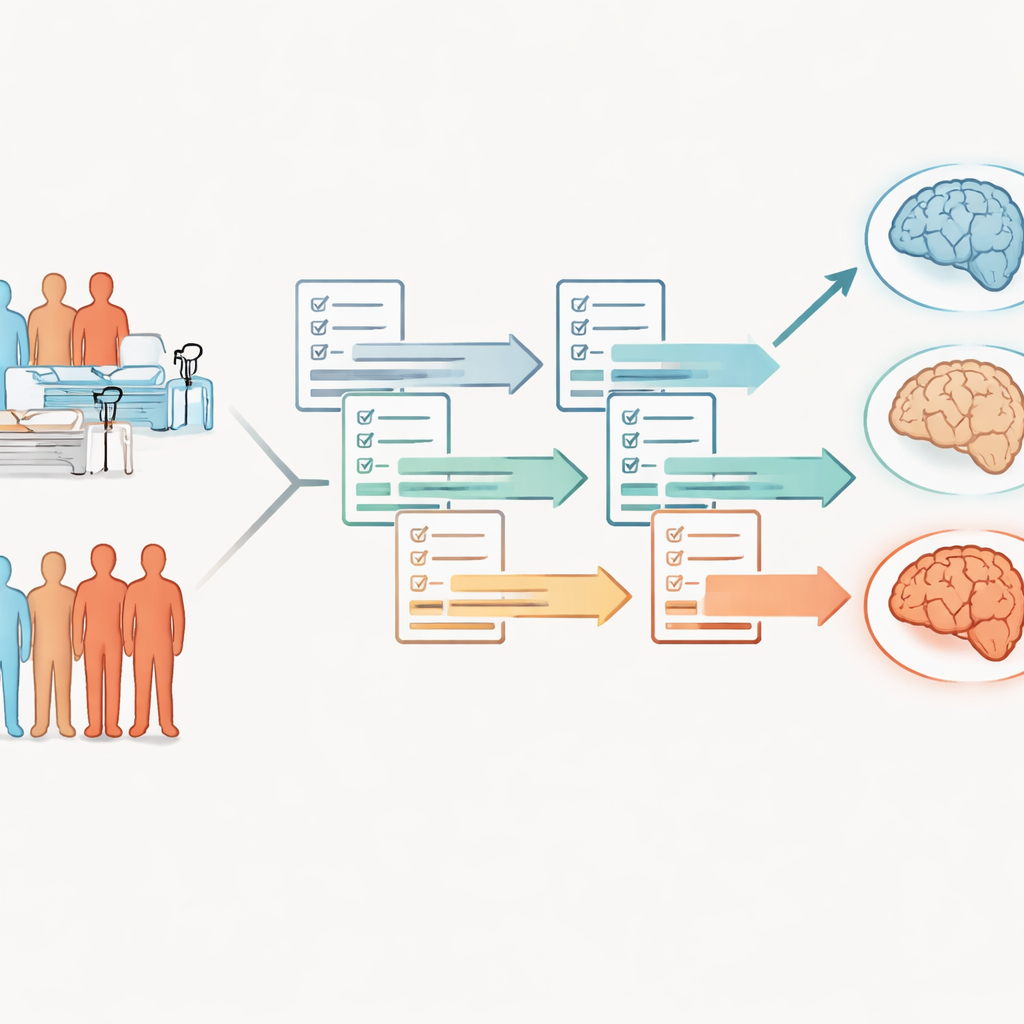
What the findings mean for patients and clinicians
Overall, this large, long-running study shows that self-reported thinking and memory problems are only modestly more common after COVID-19 than among people who never tested positive, and that average complaint levels remain low for most infected individuals up to a year and a half later. The main exception is those who were sick enough to be hospitalized, who face a distinctly higher and more persistent burden of cognitive difficulties. For the general public, these results may be reassuring: many people recover without major long-term impact on thinking abilities. At the same time, the study underscores the need for continued monitoring and targeted support for patients recovering from severe COVID-19, for whom lasting cognitive issues are more likely and may affect daily life and work.
Citation: Nielsen, N.M., Spiliopoulos, L., Sørensen, A.I.V. et al. Acute SARS-CoV-2 infection and self-reported post-acute cognitive dysfunctions from the Danish EFTER-COVID survey. Commun Med 6, 264 (2026). https://doi.org/10.1038/s43856-025-01323-6
Keywords: long COVID, cognitive symptoms, COVID-19 severity, population survey, hospitalization