Clear Sky Science · en
Hair cortisol concentrations to picture the dysregulation of the hypothalamic-pituitary-adrenocortical axis in panic disorder
Why stress leaves a trace in our hair
Panic attacks feel like sudden waves of terror, with a pounding heart, sweating, and a sense of losing control. Many people who live with panic disorder endure these episodes again and again, yet doctors still debate how strongly the body’s long term stress system is involved. This study asked a simple but powerful question: can a few strands of hair reveal how much stress hormone the body produces over months in people with panic disorder?
Looking beyond moment to moment stress
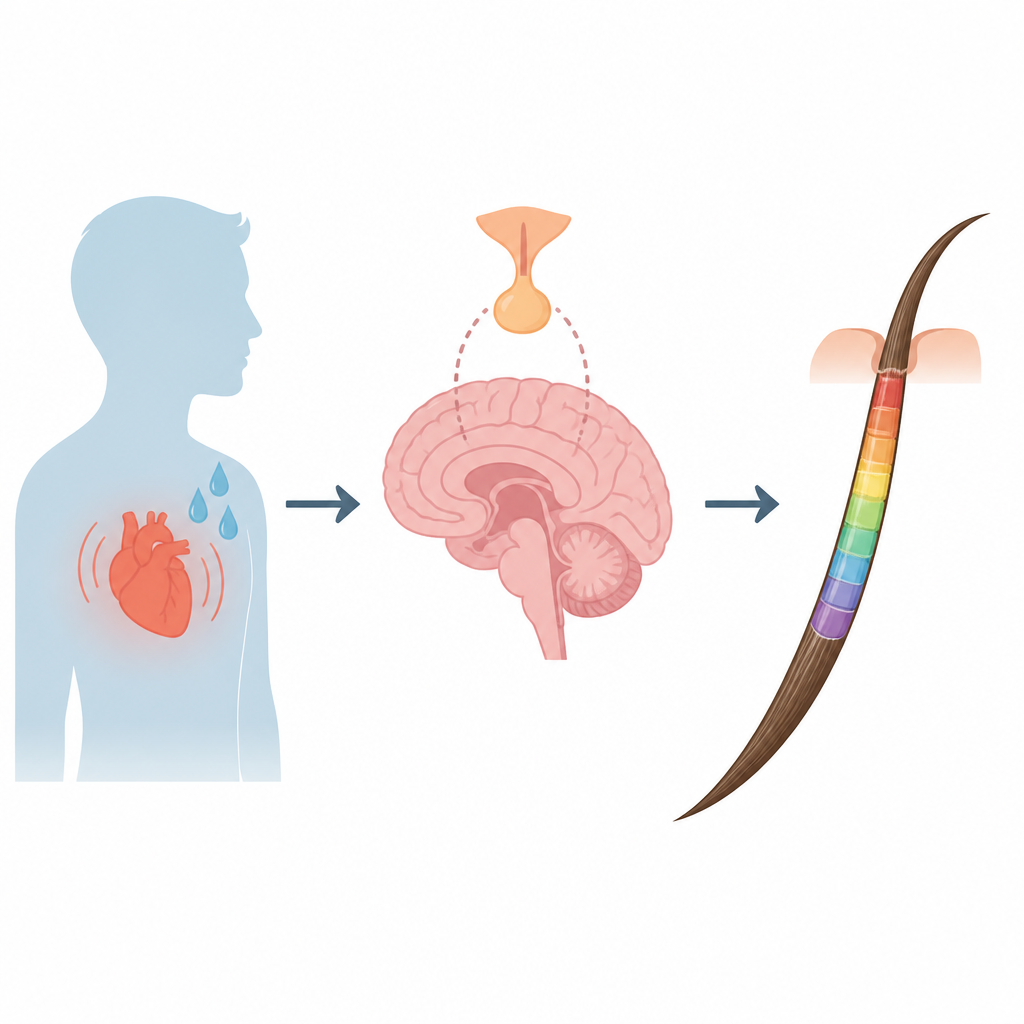
Most earlier research on panic disorder has measured cortisol, a key stress hormone, in blood or saliva at single points in time. These snapshots are useful for tracking quick changes, such as before and after a stress test, but they miss the larger picture of how the body behaves over weeks or months. Results have been puzzling: some studies found flattened cortisol responses during lab stress tests, others found higher levels during parts of the day or night, and many saw no clear difference at waking. To cut through this confusion, the authors turned to hair, which grows slowly and can hold a record of cortisol exposure over several months.
Reading stress history from strands of hair
The research team collected small hair samples from 45 adults diagnosed with panic disorder and 45 healthy people matched for age and sex. They focused on the three centimeters of hair closest to the scalp, which roughly reflect the previous three months of hormone production. Using sensitive laboratory methods, they extracted and measured cortisol stored in these hair segments. Because hair accumulates cortisol gradually, this approach offers a running average of stress hormone levels rather than a fleeting glimpse.
Higher long term stress in panic disorder
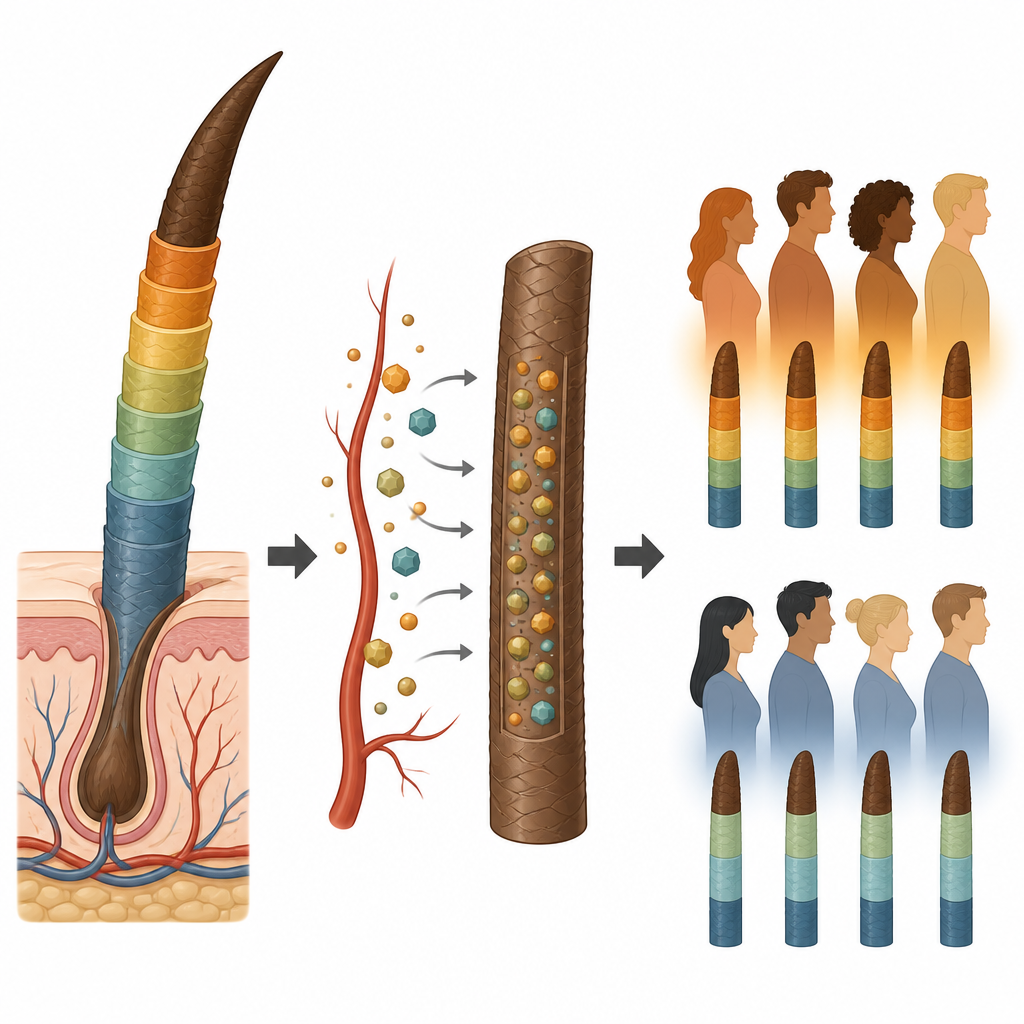
The key finding was that people with panic disorder had higher hair cortisol levels than the healthy control group. In other words, over the span of several months, their bodies seemed to produce more cortisol overall. This held true even though earlier work had shown that, in the short term, their stress systems often respond less strongly during lab tests. The result suggests that repeated panic attacks and daily strain may keep the body in a slightly elevated stress state, even if the system no longer reacts dramatically to single challenges.
What did not seem to matter
The researchers also checked whether people who had been ill longer, or who had more severe symptoms, showed even higher hair cortisol levels. They did not. Neither symptom severity nor how long a person had lived with panic disorder could reliably predict cortisol in hair. When the team split the patients into those with “pure” panic disorder and those who also had other conditions such as depression or phobias, the differences were small and statistically uncertain. Surprisingly, patients with both panic disorder and depression tended to have slightly lower hair cortisol than those with panic disorder alone, hinting that added disorders may complicate the picture.
What this means for people with panic disorder
Overall, the study challenges the idea that panic disorder is defined by a persistently underactive stress system. Instead, the hair samples point to a body that has been exposed to more stress hormone over time, even while its quick reflex responses to new stressors may be dulled. For patients, this does not change how panic attacks feel, but it suggests that their bodies quietly carry a heavier stress load in the background. Future work following people over longer periods and through treatment will be needed to see how hair cortisol levels shift as symptoms improve, and whether this hidden stress record can help guide care.
Citation: Petrowski, K., Renner, V., Herhaus, B. et al. Hair cortisol concentrations to picture the dysregulation of the hypothalamic-pituitary-adrenocortical axis in panic disorder. Sci Rep 16, 15034 (2026). https://doi.org/10.1038/s41598-026-50934-z
Keywords: panic disorder, hair cortisol, chronic stress, anxiety biology, stress hormones