Clear Sky Science · en
Self-reported anxiety, depression, and health-related quality of life during two years following hospitalization for covid-19: a longitudinal study
Why this long-term covid story matters
Many people who were hospitalized with covid-19 survived the immediate crisis, only to wonder what their lives and mental health would look like years later. This study followed such patients in Sweden for two full years, tracking their anxiety, depression, and everyday health. Its findings help patients, families, and clinicians understand what a "new normal" may look like after severe covid—and who might need extra support over the long haul.
Following people after a life-changing illness
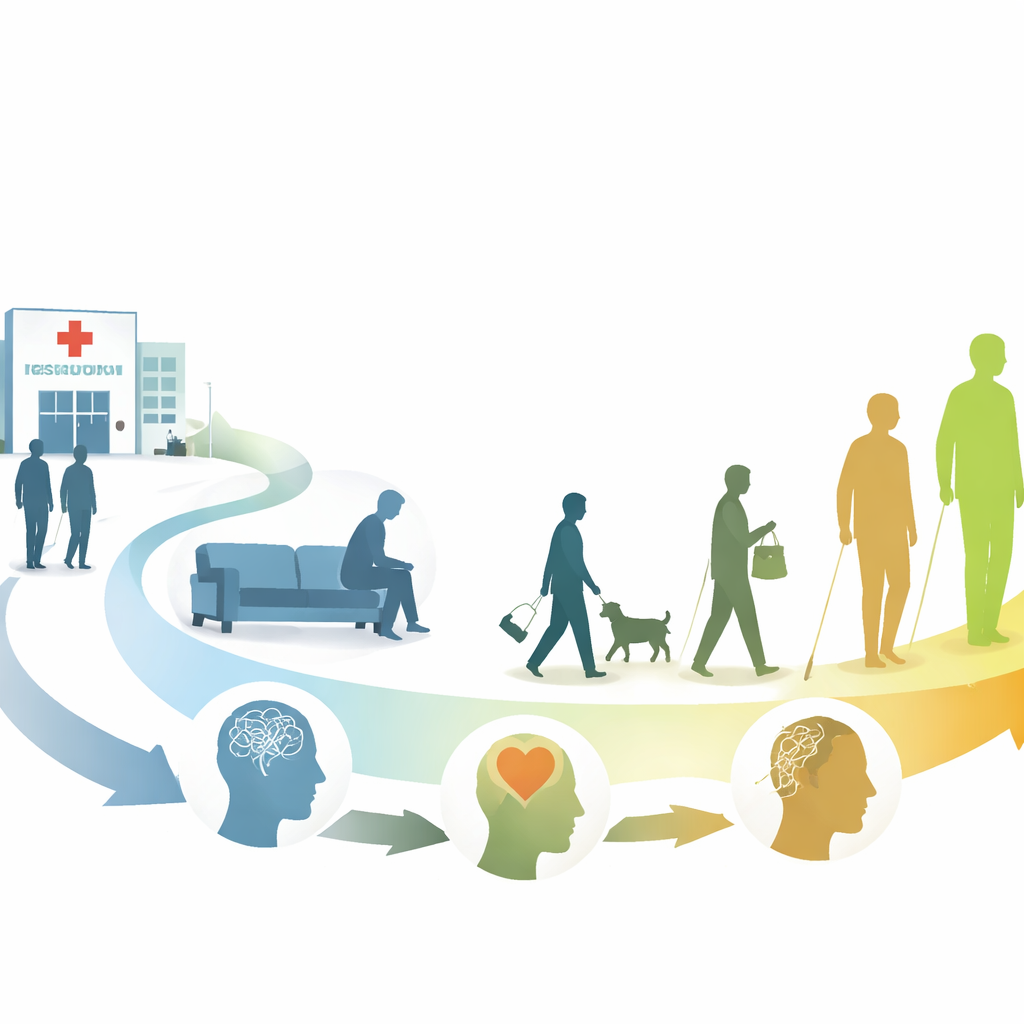
The researchers drew on a larger project called "Life in the Time of COVID" that enrolled adults treated for covid-19 in five hospitals in western Sweden during the first two waves of the pandemic. Everyone had spent at least five days in the hospital and had lived independently before falling ill. Starting at hospital discharge, the team checked in at three months, one year, and two years. Instead of focusing on lab tests or scans, they asked people directly how they felt using standard questionnaires about anxiety, depression, and health-related quality of life—how easily they could move, care for themselves, carry out daily activities, and live without pain or emotional distress.
Who took part and how they were doing physically
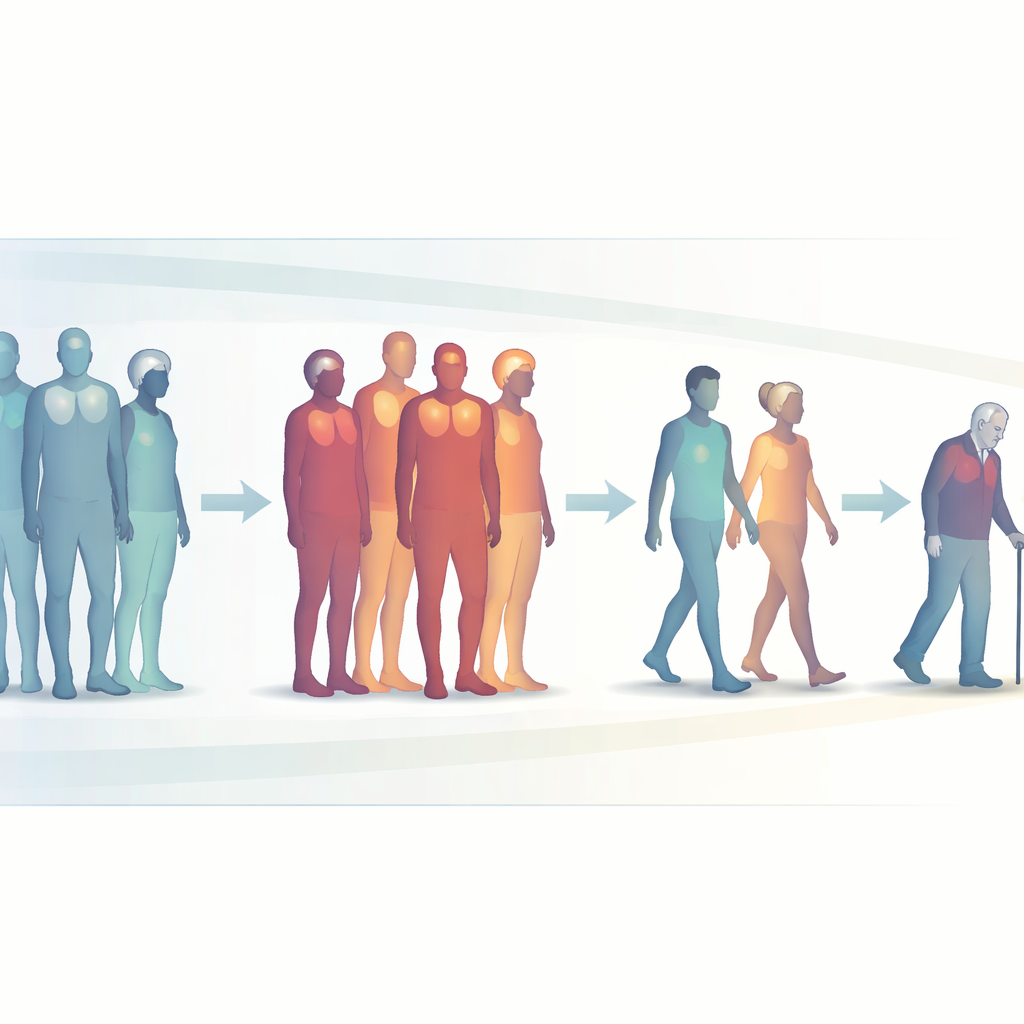
Out of 211 people originally enrolled, 125 completed the two-year follow-up and 111 took part in all three check-ins. They were mostly men in their mid‑60s, and most had received at least one covid vaccine dose after their hospital stay. Two years on, difficulties had not vanished. Many participants still reported problems with walking, managing daily tasks, and dealing with pain or unusual sensitivity. Only a handful said they had no lingering symptoms at all, and nearly one in five were still in active rehabilitation for covid-related problems. Older participants were especially likely to report trouble with mobility, and overall health scores slipped slightly between the first and second year after discharge.
What happened to anxiety and mood
When the team looked specifically at mental health, they found a mixed picture. About 30% of people reported at least some anxiety and roughly a quarter reported some depression two years after leaving the hospital. On average, anxiety scores stayed fairly steady over time and generally within the "normal" range used in clinics. Depression told a different story: symptoms were relatively low three months after discharge, then increased during the first year before leveling off. Even at their higher point, average depression scores still sat within normal limits, but that change suggests that some people struggled more emotionally as the initial relief of survival faded and long-term consequences became clearer.
Age, disease severity, and lingering discomfort
Surprisingly, people who had been classified with moderately severe covid during their hospital stay reported more anxiety and more pain or discomfort two years later than those who had been critically ill. The reasons are not fully understood. It may be that those who were most severely ill received more intensive follow-up and rehabilitation, or that going through a life-threatening event sometimes leads people to re-evaluate priorities and feel psychologically stronger. Regardless, one factor stood out in the statistical analysis: older age was clearly linked with lower quality of life two years after covid, even when taking into account how sick people had been, whether they needed intensive care, their other illnesses, or how long they stayed in the hospital.
What this means for patients and care
For most people who were hospitalized with covid-19 in this study, anxiety and depression did not spiral out of control; they stayed, on average, within normal bounds, even though depression rose somewhat during the first year. Yet many continued to live with pain, reduced mobility, and a sense that their overall health had not fully bounced back, especially older adults. The take‑home message for patients and health services is that surviving covid-19 is not the end of the story. Long-term follow-up and rehabilitation—particularly for older people and for those living with ongoing pain or activity limits—are key to helping survivors regain as much quality of life as possible in the years after the infection.
Citation: Larsson, A.C., Alhasan, R., Palstam, A. et al. Self-reported anxiety, depression, and health-related quality of life during two years following hospitalization for covid-19: a longitudinal study. Sci Rep 16, 12692 (2026). https://doi.org/10.1038/s41598-026-48440-3
Keywords: long COVID, mental health after covid, quality of life, post-hospital recovery, older adults