Clear Sky Science · en
Ramadan fasting and adverse outcomes in cirrhosis: primary risk estimates with associated independent predictors
Why this matters to patients and families
Millions of Muslims living with chronic liver disease choose to fast during Ramadan each year, often with little clear guidance from science. This study from Indonesia followed adults with liver cirrhosis who fasted during Ramadan to find out whether fasting raised their chances of serious complications like hospital admission, internal bleeding, or dangerously low blood sugar, and whether it affected day‑to‑day wellbeing.
A closer look at fasting with a sick liver
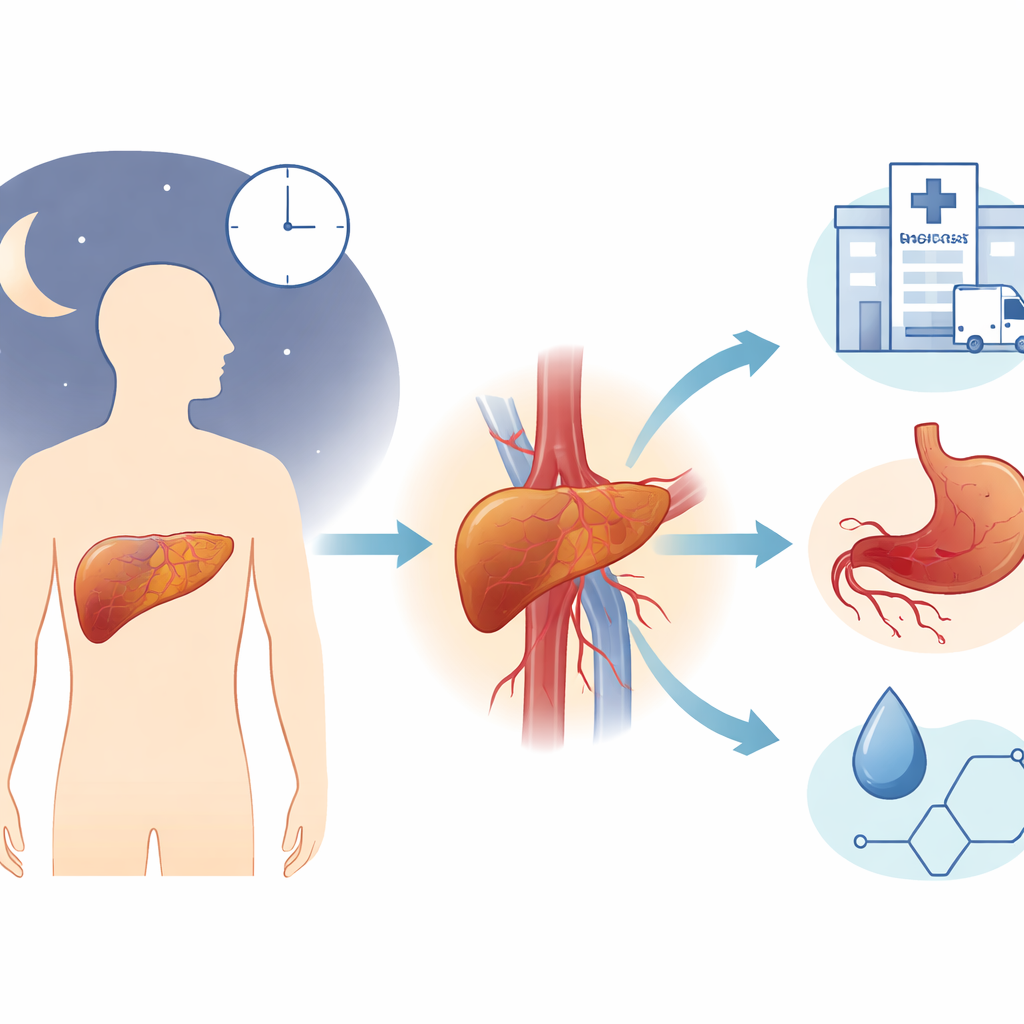
Cirrhosis is a long‑term scarring of the liver that weakens its ability to filter blood, store energy, and control bleeding. During Ramadan, people abstain from food and drink from dawn to sunset, then often eat a large evening meal. For someone with cirrhosis, long hours without food or water followed by a heavy meal may strain an already fragile organ. The liver has less reserve to keep blood sugar steady and to manage changes in blood flow to the stomach and intestines, raising concern that fasting might trigger complications.
How the study was carried out
Researchers at a major hospital in Jakarta enrolled 156 adults with cirrhosis who intended to fast during Ramadan and did not have liver cancer. They assessed each person twice: once in the month before Ramadan, when they were eating and drinking normally, and again during Ramadan while they were fasting. At both times, they recorded hospital admissions, episodes of vomiting blood or passing black stools (signs of upper digestive bleeding), and a standard score that reflects how damaged the liver is. They also measured quality of life using a questionnaire tailored to chronic liver disease, and in a subgroup of 52 patients they used continuous glucose monitors to detect low blood sugar during daily life.
What happened during the fasting month
When the same patients were compared across the two periods, serious problems were clearly more common during Ramadan. Hospital admissions rose nearly fourfold, from about 3% before Ramadan to more than 12% while fasting. Bleeding from the upper digestive tract, often related to swollen veins in the food pipe or stomach, increased from just over 1% to nearly 11%. Among those wearing glucose monitors, no one had low blood sugar before Ramadan, but about 14% did while fasting. Despite these extra complications, the overall liver‑damage score and the average quality‑of‑life ratings did not show meaningful short‑term worsening across the group.
Who was at highest risk
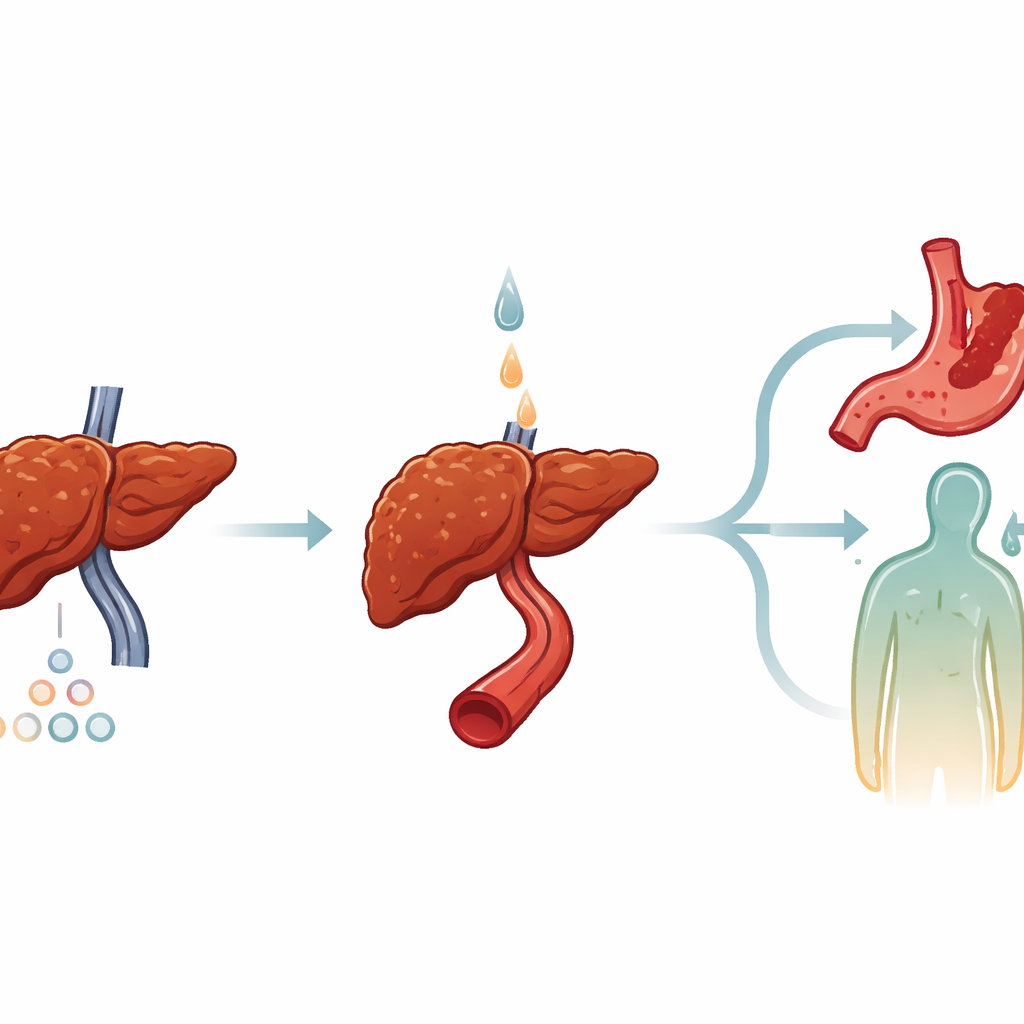
The team then asked which patients were most likely to get into trouble while fasting. They examined factors such as age, diabetes, kidney disease, past bleeding, and signs of advanced cirrhosis. One measure stood out: people whose livers were already severely impaired, reflected in a high clinical score known to doctors, had dramatically higher odds of being hospitalized, bleeding, or developing low blood sugar during Ramadan. In other words, it was not fasting alone, but fasting in the setting of very limited liver reserve, that predicted the worst outcomes.
Balancing faith and health
For people with cirrhosis, this study suggests that Ramadan fasting is not harmless. Compared with their own non‑fasting month, these patients faced higher chances of hospital care, digestive bleeding, and episodes of low blood sugar, even though their average liver score and reported quality of life did not rapidly decline. Those with more advanced liver damage were especially vulnerable. The findings support a careful, individualized approach: patients and doctors should discuss fasting plans well before Ramadan, weighing spiritual wishes against medical risk, and using the severity of liver disease as a key guide to who may fast more safely and who should strongly consider religious exemptions or modified practices.
Citation: Prasetya, I.B., Hasan, I., Pribadi, R.R. et al. Ramadan fasting and adverse outcomes in cirrhosis: primary risk estimates with associated independent predictors. Sci Rep 16, 12612 (2026). https://doi.org/10.1038/s41598-026-43599-1
Keywords: Ramadan fasting, liver cirrhosis, hospitalization risk, gastrointestinal bleeding, hypoglycaemia