Clear Sky Science · en
Effectiveness of using different sources of zinc on the productive performance of laying hens
Why Hot-Weather Eggs Matter
For many people, eggs are a daily staple, but the hens that lay them can struggle when summer temperatures soar. In hot, humid weather, hens eat less, lay fewer eggs, and their overall health can suffer. This study explored whether adding different forms of the mineral zinc to hens’ feed could help them stay productive and healthy during intense heat, offering a simple nutrition-based tool for farmers facing a warming climate.
How Heat Hurts Hens
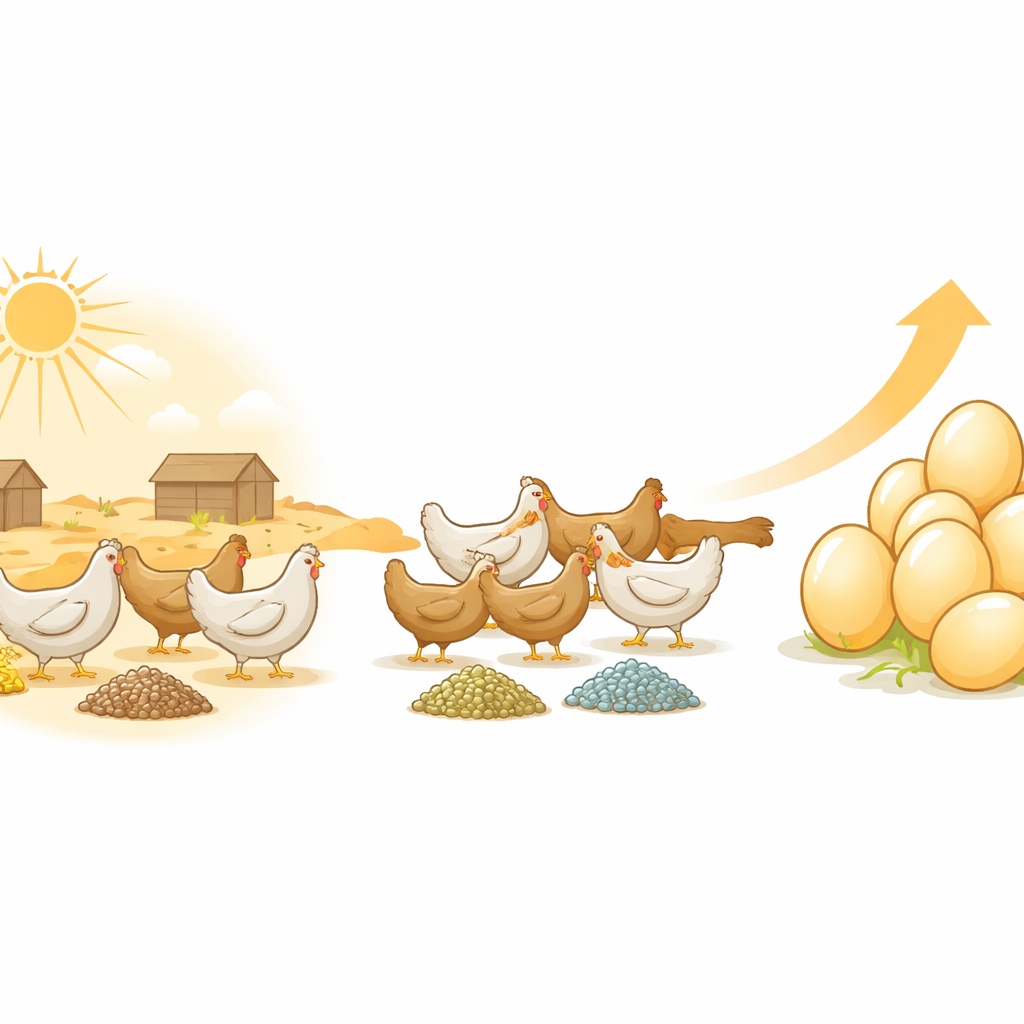
Chickens have no sweat glands, so they rely on panting to cool down. In a hot house, this constant panting pushes out large amounts of carbon dioxide, upsetting the body’s acid–base balance and making it harder to form strong eggshells. Heat stress also reduces appetite, slows growth, worsens feed efficiency, and can disturb the gut and immune system. As temperatures climb, hens face a double burden: their bodies demand more protective nutrients, just as they feel less like eating.
Why Zinc Is a Key Helper
Zinc is a vital trace mineral involved in hundreds of enzymes that support growth, energy use, and reproduction. It also helps activate an enzyme that turns carbon dioxide into the building blocks of the eggshell. Under heat stress, zinc becomes even more important because it supports antioxidant defenses that protect cells from damage. Poultry feed ingredients often contain zinc in poorly absorbed forms, so farms typically add extra zinc as common salts like zinc oxide or zinc carbonate. Recently, ultra-small “nano-zinc” particles have attracted interest because they may be absorbed more efficiently and used at lower doses.
Testing Different Zinc Sources in the Summer
In this experiment, 80 laying hens were followed from 40 to 54 weeks of age during the hot season in a desert region of Egypt. The birds were divided into four groups: a control group with no extra zinc beyond the base diet, a group given zinc oxide, a group given zinc carbonate, and a group given nano-zinc oxide at one-tenth the dose of the other zinc forms. All hens were kept under the same high temperature and humidity conditions, and researchers tracked egg number, egg mass, egg weight, feed use, egg quality, nutrient digestion, mineral content inside the eggs, and several blood measures linked to health and stress.
What Happened to Egg Output and Health
All three zinc-supplemented groups laid more and heavier eggs than the control birds, without eating more feed. As a result, they turned feed into egg mass more efficiently. The largest gains in egg production and egg mass were seen in the zinc carbonate group, followed by nano-zinc oxide and then zinc oxide. Egg weight and eggshell surface area increased with zinc, although most other egg quality traits stayed similar. Digestion of protein, fat, and other nutrients did not change, suggesting the main benefit came from improved metabolism and shell formation rather than better digestion.
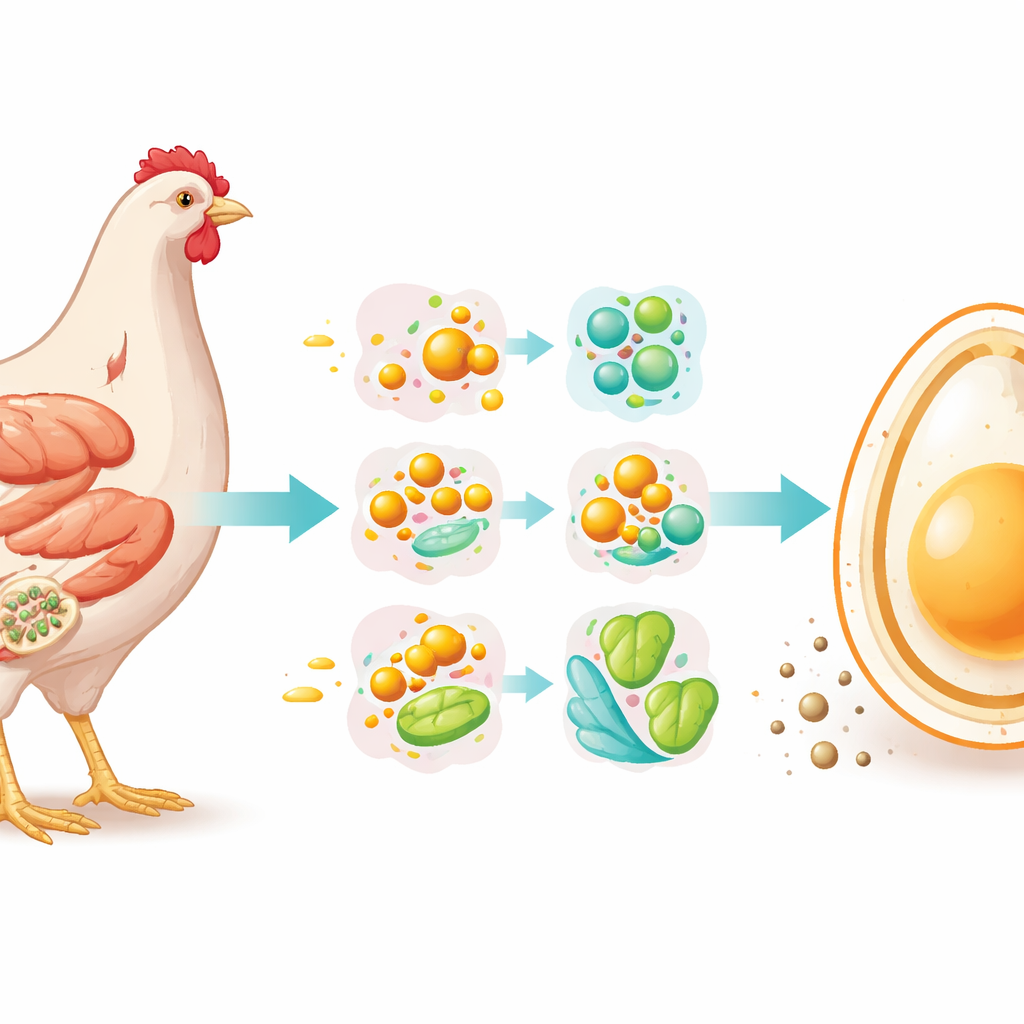
Inside the eggs, zinc-fed hens deposited more magnesium and less copper, nickel, aluminum, cobalt, chromium, and some other metals, which may reflect zinc’s influence on how minerals are absorbed and stored. In the blood, extra zinc raised zinc levels and cholesterol but did not alter protein, fat breakdown products, or markers of lipid damage. Liver-related enzymes shifted in a protective direction: zinc carbonate gave the lowest values of one enzyme linked to liver injury, while nano-zinc oxide produced the lowest values of another, indicating that these forms did not harm and might help liver function under heat stress.
What This Means for Farmers and Consumers
The study concludes that adding zinc carbonate or zinc oxide at standard levels, or nano-zinc oxide at a much lower level, helps laying hens keep up egg production and egg weight during hot summer months, without compromising their well-being. Zinc carbonate gave the clearest boost in performance, while nano-zinc oxide achieved improvements with less mineral added, which could help limit excess zinc in the environment. For farmers in hot regions, these results point to a relatively simple dietary adjustment that can support both animal welfare and a steady supply of eggs as climates become more extreme.
Citation: Salem, F.M. Effectiveness of using different sources of zinc on the productive performance of laying hens. Sci Rep 16, 13772 (2026). https://doi.org/10.1038/s41598-026-41183-1
Keywords: heat stress, zinc supplementation, laying hens, egg production, nano minerals